




The Ideal Plate Method: A Simple Visual Guide
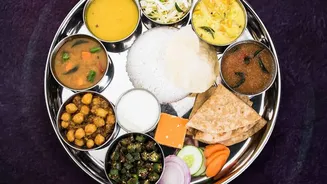
Forget complex calorie counting. The easiest way to build a balanced meal is to visually divide your plate. According to nutritionists, a healthy Indian thali or plate should be half-filled with vegetables, a quarter with a protein source, and the final
quarter with carbohydrates. This approach ensures you get a rich mix of fibre, vitamins, protein, and energy in the right proportions without giving up your favourite foods. Think of it as a blueprint for your daily lunch and dinner.
The Foundation: Carbohydrates for Energy
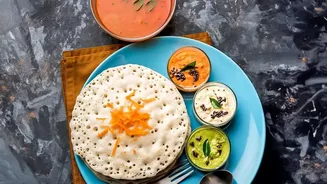
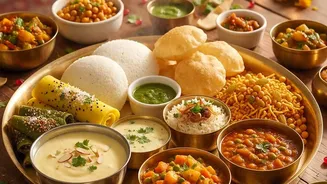
Carbohydrates are the body's primary fuel source, and in an Indian context, this means roti and rice. The key is to choose complex carbohydrates that provide sustained energy and fibre. Opt for whole wheat (atta) for your rotis and consider millets like jowar or bajra, which are packed with nutrients. If you love rice, try switching to brown rice, which has a lower glycaemic index and more fibre than white rice. Portion control is crucial; aim for one to two rotis or a small bowl of rice to fill about a quarter of your plate.
The Building Blocks: Prioritise Protein
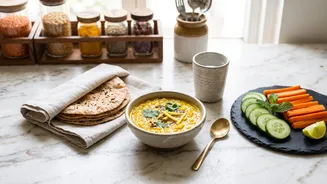
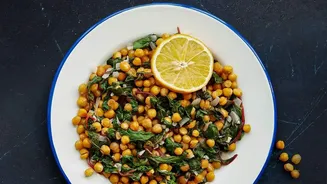
Protein is essential for muscle repair, immunity, and keeping you feeling full. Indian vegetarian diets are rich in excellent protein sources. A common mistake is not including enough. Your protein quarter should feature a generous serving of dal (lentils), which is a staple for a reason. A combination of dal with rice or roti creates a complete protein profile. Other fantastic options include legumes like chana (chickpeas) and rajma (kidney beans), paneer, tofu, and curd (dahi). Aim to have at least one primary protein source in every major meal.
The Protectors: Fill Half Your Plate with Vegetables
This is the most important part of a balanced plate. The largest section—half of your plate—should be dedicated to vegetables. Cooked sabzi, stir-fries, and fresh salads provide essential vitamins, minerals, and fibre, which aids digestion and promotes fullness. Eating a variety of colourful vegetables ensures you get a wide spectrum of nutrients. Don't be afraid to include seasonal and local produce, from leafy greens like spinach (palak) to gourds, beans, and carrots. This part of the meal is low in calories but high in nutritional value.
Healthy Fats and Dairy: The Finishing Touches
Fats are not the enemy; they are necessary for flavour and absorbing fat-soluble vitamins. The key is moderation and choosing the right kind. A small dollop of ghee on your roti or in your dal can enhance nutrient absorption. Cooking with traditional oils like mustard or groundnut oil is also a good practice, but measure your oil intake. Additionally, a small bowl of curd or a glass of buttermilk is a great addition to your meal. It provides high-quality protein, calcium, and probiotics for excellent gut health.