



A Glimpse of the New Indian Farm
The 24th edition of Agri Intex, a five-day event concluding on July 13, has brought together nearly 500 companies from across India and countries like Japan and the US to showcase the latest in agricultural innovation. Spread across 150,000 square feet
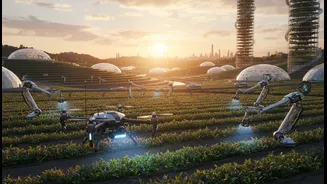
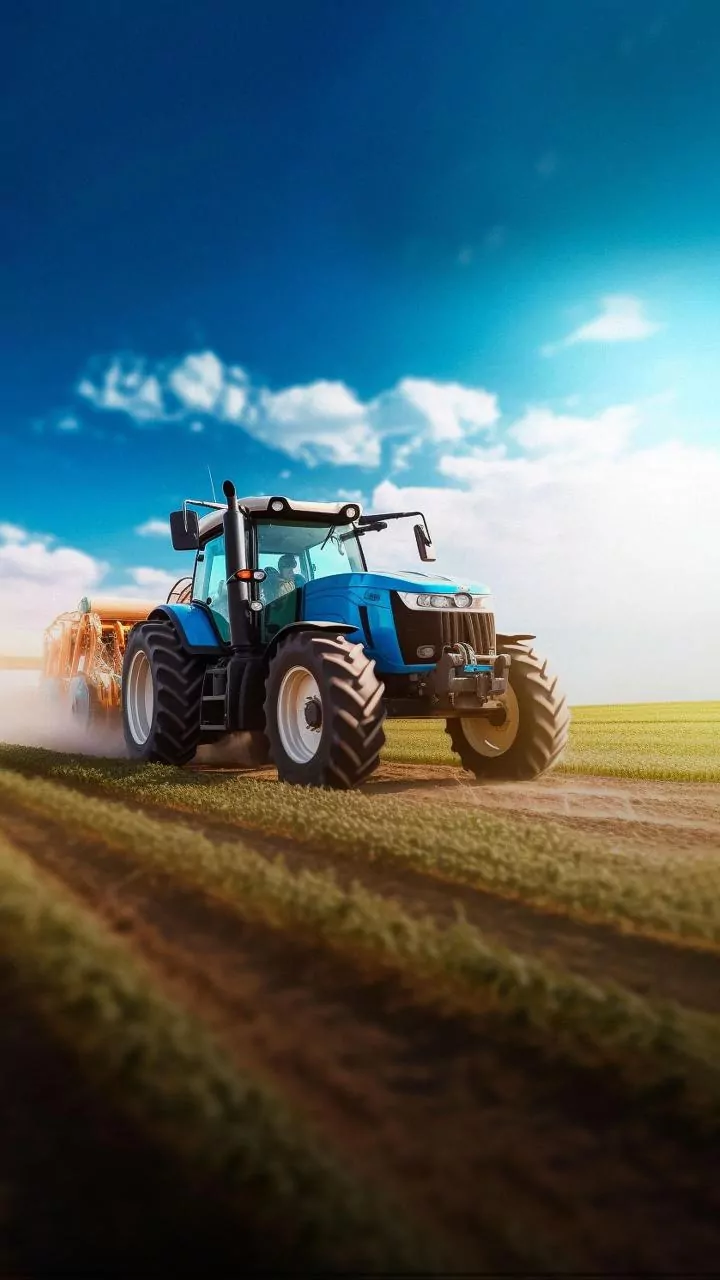
at the CODISSIA Trade Fair Complex, the event highlights a clear shift. While tractors and harvesters are still present, the real buzz is around technologies that promise precision, efficiency, and data-driven insights. The expo is a testament to a broader trend in Indian agriculture: the move from brute mechanical force to intelligent, targeted solutions that optimize every aspect of the farming cycle.
The View From Above: Drones Take Center Stage
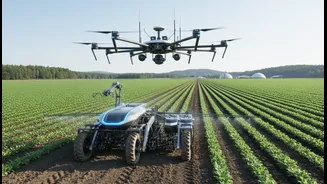
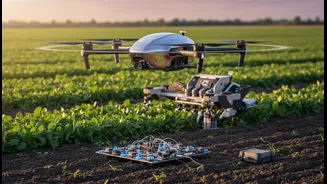
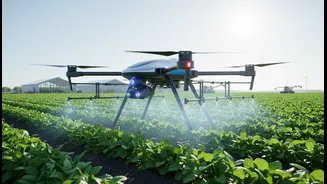
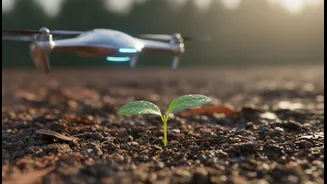
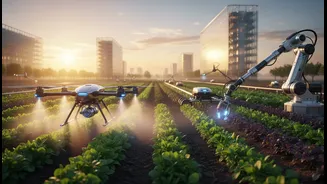
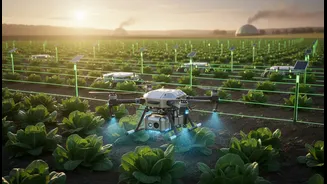
Perhaps no technology captures this shift better than the agricultural drone. A major highlight at Agri Intex is the array of advanced drone sprayers. These unmanned aerial vehicles (UAVs) are designed to handle tasks like spraying pesticides and fertilizers with incredible precision. This not only ensures uniform application but also significantly reduces farmers' direct exposure to potentially harmful chemicals. Companies are designing drones specifically for Indian conditions, with some models capable of covering one acre with a single 10-litre tank, making them suitable for small and marginal farmers. Beyond spraying, drones are being equipped with AI and machine learning for crop monitoring, soil analysis, and even identifying pest infestations before they become a major problem.
The Brains of the Operation: AI and IoT
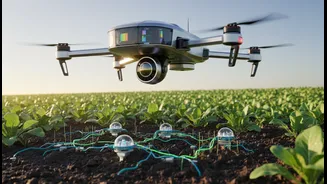
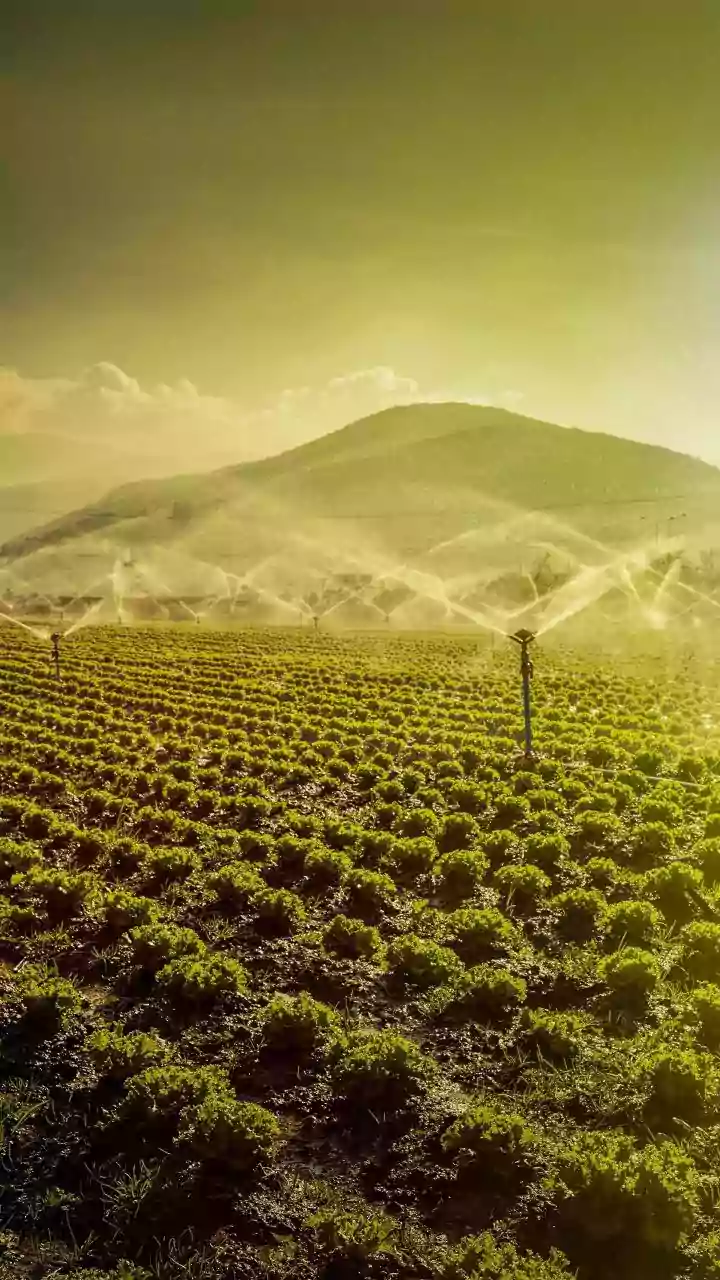
Drones are just the visible part of a deeper digital transformation powered by Artificial Intelligence (AI) and the Internet of Things (IoT). Exhibitors are showcasing everything from smart soil sensors that provide real-time data on moisture and nutrient levels to a farmer's smartphone, to automated irrigation systems that conserve water by delivering it exactly when and where it's needed. These interconnected devices create a 'smart farm' ecosystem. AI algorithms process this data to predict crop yields, recommend optimal planting times, and even provide farmers with insights into market trends, helping them secure better prices for their produce. Startups and research institutions are developing these tools to be increasingly accessible and user-friendly for the average Indian farmer.
Automation on the Ground
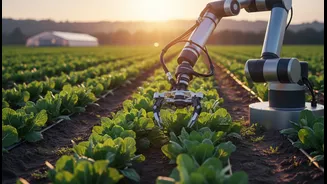
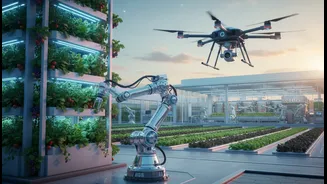
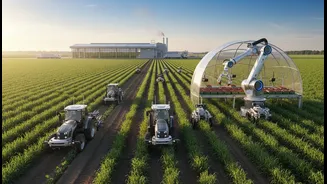
Automation isn't just happening in the air. On the ground, new robotic solutions are tackling labour-intensive tasks. On display at Agri Intex are direct paddy-transplanting machines and multipurpose robotic vehicles. One such innovation, the FarmX 500, is an electric machine that can handle load-carrying, spraying, and stubble removal, offering a versatile solution for daily farm activities with a six-hour runtime on a full charge. This kind of automation is crucial as India's agricultural sector faces a steady migration of manual labour to cities. By reducing drudgery and increasing efficiency, robotics can help make farming a more attractive profession for the younger generation.
The Path to Widespread Adoption
While the technology is impressive, the crucial question is accessibility. For many of India's small and marginal farmers, the cost of a high-tech drone or an AI-powered system remains a significant barrier. However, new business models are emerging to tackle this. A rural drone service ecosystem is developing, where farmers can rent drone services rather than buying the hardware outright. Government initiatives like the Sub-Mission on Agricultural Mechanisation (SMAM) are providing subsidies and financial assistance to accelerate the adoption of these modern tools. The success of this tech revolution will depend not just on innovation, but on making these powerful tools affordable, accessible, and easy to use for the millions of farmers who form the backbone of India's food security.