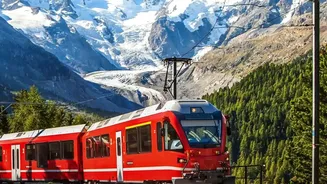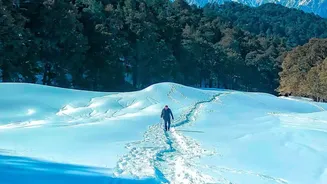


Why Weather Is The Most Critical Check
Planning a snow holiday in the Himalayas isn't like booking a beach trip. The weather here doesn't just decide if you'll need an umbrella; it determines if roads will be open, if flights can land, and if you can even reach your destination. Heavy snowfall
can lead to widespread road closures, sometimes shutting off entire valleys for days. A weather phenomenon known as a 'Western Disturbance', an extratropical storm from the Mediterranean region, brings most of the winter snow and rain to northwest India. While essential for the region, these disturbances can be intense, causing sudden, heavy snowfall that leads to avalanches and landslides. Relying on a standard forecast a week out isn't enough. You need to understand the patterns and know where to look for reliable, up-to-the-minute information, as conditions can change dramatically overnight.
India's Top Snow Spots and When to Go
Timing is everything. While the first high-altitude snows can fall as early as October, the most reliable period for a snow-filled holiday is generally from late December to the end of February. January and February are peak months for deep, settled snow. - Gulmarg, Kashmir: Widely considered India's premier skiing destination, Gulmarg gets the most reliable and heaviest snowfall, with a prime season from mid-January to late February. It's perfect for serious skiers but tends to be the most expensive option.- Auli, Uttarakhand: Known for its scenic views and beginner-friendly ski slopes, Auli's best snow is typically from January to February. Note that the main ropeway from Joshimath has been closed, so access is by a 13-16 km road journey.- Manali, Himachal Pradesh: A popular and accessible choice, especially for road trips from cities like Delhi. Snow in Manali town itself can be inconsistent, but nearby Solang Valley and the areas beyond the Atal Tunnel, like Sissu, offer more dependable snow play from December to March. However, these areas can get extremely crowded, and roads are prone to traffic jams after fresh snow.
How to Actually Check the Weather
Your phone's default weather app is a starting point, but for mountain travel, you need more specialized sources. 1. India Meteorological Department (IMD): This is the official source. The IMD issues district-wise warnings for heavy precipitation, cold waves, and storms. Their regional centre websites (like IMD Shimla) provide detailed, 5-day forecasts and colour-coded alerts ('yellow' for 'be aware', 'orange' for 'be prepared').2. State and District Disaster Management Authorities: Websites for the Himachal Pradesh (HPSDMA) and Uttarakhand (USDMA) State Disaster Management Authorities post real-time alerts on road closures and hazards.3. Local Police Social Media Pages: For routes like the Manali-Atal Tunnel road, the Lahaul-Spiti and Kullu district police often post daily updates on their social media channels, stating whether roads are open, closed, or restricted to 4x4 vehicles.4. Local Contacts: Your hotelier or tour operator is your best friend. Call them the day before you travel to get the most current, on-the-ground report of road and weather conditions. They will know which specific local link roads are open or blocked.
Plan for the Unexpected: Buffer Days and Backup Plans
The golden rule of Himalayan winter travel is to build flexibility into your itinerary. Heavy snowfall can and does shut down highways. In past winters, single snowfall events have closed hundreds of roads at once across states like Himachal Pradesh. Restoration work takes time, and your main highway might clear before the smaller road to your hotel does.Always add at least one or two buffer days to your plan, especially if you have a flight to catch. This accounts for potential delays due to road closures or flight cancellations. Discuss backup routes with your driver or tour operator. For example, if the road to the Atal Tunnel from Manali closes, a backup plan might be to explore the lower Kullu valley instead. Travel insurance that covers trip interruptions due to weather is also a wise investment. Don't treat your itinerary as rigid; see it as a flexible guide that allows you to adapt to whatever the mountains have in store.
Packing for Safety, Not Just the Cold
Dressing in layers is non-negotiable. This means a moisture-wicking base layer, a warm insulating middle layer (like fleece or a down jacket), and a waterproof/windproof outer shell. Beyond clothing, your packing list should focus on safety and comfort in unpredictable conditions.- Footwear: Waterproof, high-ankle trekking boots with a strong grip are essential. Icy patches are common, even in towns.- Extremities: Heat loss is fastest from your head, hands, and feet. Pack a warm woollen cap, a balaclava or neck gaiter, waterproof gloves, and multiple pairs of woollen socks.- Sun Protection: Snow glare is intense. High-quality sunglasses are a must to prevent snow blindness, and sunscreen is crucial as UV intensity increases with altitude, even on cloudy days.- Essentials: Carry a power bank, as cold weather can drain batteries quickly. A headlamp is useful during power cuts, which are common. Finally, stay hydrated; the dry, cold air can dehydrate you faster than you'd think.