







The Strain You Don't See
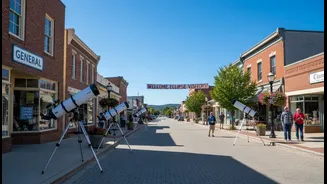
For the small towns lucky enough to be in an eclipse's path of totality, the event is a double-edged sword. On one hand, it's a massive economic opportunity. Businesses in states like Ohio, Indiana, and Wyoming have reported millions of dollars in revenue
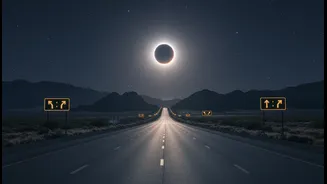
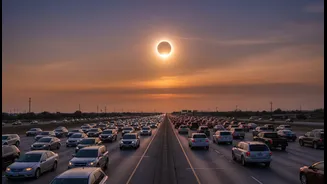
from eclipse tourism, with some calling it their "Super Bowl". Hotels get booked out years in advance, and local shops sell special merchandise to commemorate the occasion. However, this influx of visitors places an enormous strain on infrastructure that was never designed for a sudden population surge. The 2017 and 2024 eclipses in the U.S. provided a stark lesson: once the spectacle is over, a mass exodus begins. This can lead to gridlock lasting up to 15 hours on rural roads, turning a two-hour drive into an all-night ordeal. Emergency services can be hampered by the traffic, and basic supplies like fuel, food, and water can become scarce.
Plan Ahead, Arrive Early, Stay Late
The single best thing you can do is to not be part of the problem. Responsible eclipse travel begins months, or even years, in advance. Accommodations in prime viewing locations are often reserved one to two years ahead of the event. If you're planning a trip for the August 2026 eclipse in Spain or Iceland, the time to book is now. More importantly, structure your trip to avoid the peak traffic surges. Instead of driving in the morning of the eclipse and leaving right after, plan to arrive at least a day or two early and leave a day or two later. This staggers the traffic load and gives you a chance to actually experience the destination beyond just being a viewing platform for a skyward event. Spend some money at local restaurants and shops on the days surrounding the eclipse to show your appreciation for the community hosting you.
Pack for Self-Sufficiency
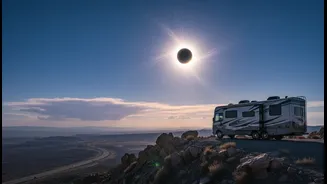
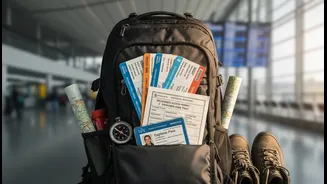
Assume that local resources will be stretched to their absolute limit. To reduce your burden on the host community, pack as if you're camping for a few days, even if you have a hotel room. Bring a cooler with plenty of water, food, and snacks for your group. This prevents you from overwhelming small-town grocery stores that may struggle to restock. Make sure your vehicle has a full tank of gas before you enter the main eclipse zone, as long lines and fuel shortages at stations are common. It's also wise to pack a physical first-aid kit, folding chairs, sunscreen, and any necessary medications. By being self-sufficient, you ensure your own comfort while freeing up limited local supplies for residents and other visitors who may have had no other choice.
Embrace the Digital Disconnect
When tens of thousands of extra people suddenly try to use their phones in an area with only a few cell towers, the network will inevitably become overloaded. Don't count on having reliable cell service or data for navigation, communication, or posting your eclipse photos in real-time. Before you leave home, download maps of the area for offline use. Arrange clear, non-digital meetup points and times with your group in case you get separated. Having a battery-powered or hand-crank FM radio can also be a good backup to receive local news and traffic updates if other communication channels fail. Treat the potential for a digital blackout as part of the adventure—a forced opportunity to disconnect from your screen and be fully present for the cosmic show above.
Leave No Trace, Only Good Will
The final, and perhaps most important, rule is to be a gracious guest. Remember that you are visiting someone's home. Do not park on private property, block driveways, or set up your viewing spot in a farmer's field without permission. Use designated parking and viewing areas, and be prepared for them to be crowded. Pack out everything you pack in, leaving your viewing area cleaner than you found it. Be patient and kind to service staff in restaurants and shops who will be working under immense pressure. The goal is to ensure that the lasting memory of the eclipse is one of shared wonder and mutual respect, not one of traffic jams and frustration. A little bit of thoughtful planning can make all the difference for the communities that make these incredible experiences possible.