


The New Kitchen Reality
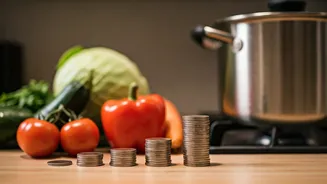
It’s a familiar story across India. The price of tomatoes skyrockets, dal feels like a luxury, and even cooking oil demands a bigger slice of the monthly budget. This isn't just a feeling; it's a documented reality. Persistent food inflation has reshaped
how households approach their daily meals. For many, the challenge is no longer just about putting food on the table, but doing so without compromising on nutrition. This economic pressure has become the unlikely catalyst for a wave of culinary creativity, forcing a nationwide rethink of what it means to cook and eat well. Instead of despair, people are turning to their screens for answers, finding a vibrant online community ready to share its secrets.
From Frugal to Famous
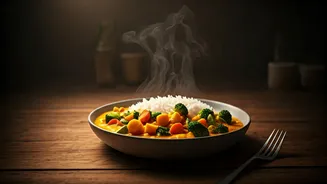
On platforms like Instagram and YouTube, a new type of food influencer is rising to prominence. These aren't chefs in pristine, high-end kitchens. They are everyday home cooks showcasing the art of 'jugaad' in the kitchen. Their content focuses on practicality and accessibility, striking a chord with millions. The viral content isn't about exotic ingredients but the clever use of simple, local ones. We're seeing a massive resurgence in one-pot meals like flavourful khichdis and vegetable pulaos that save time, energy, and money. Recipes celebrating millets like ragi and jowar, once considered humble grains, are now trending for their high nutritional value and low cost. The core message is empowering: you don't need a fat wallet to eat nourishing, satisfying food.
Building Your Budget-Friendly Pantry
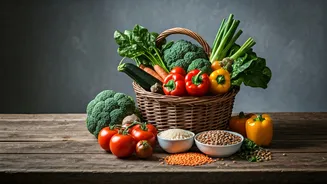
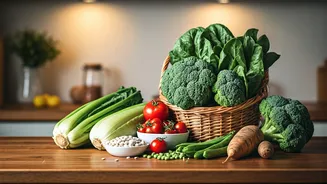
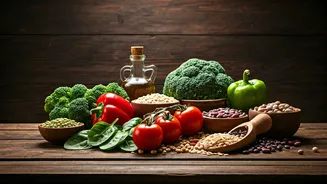
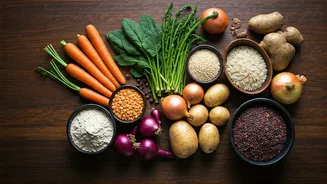
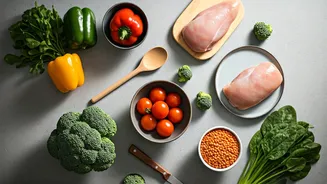
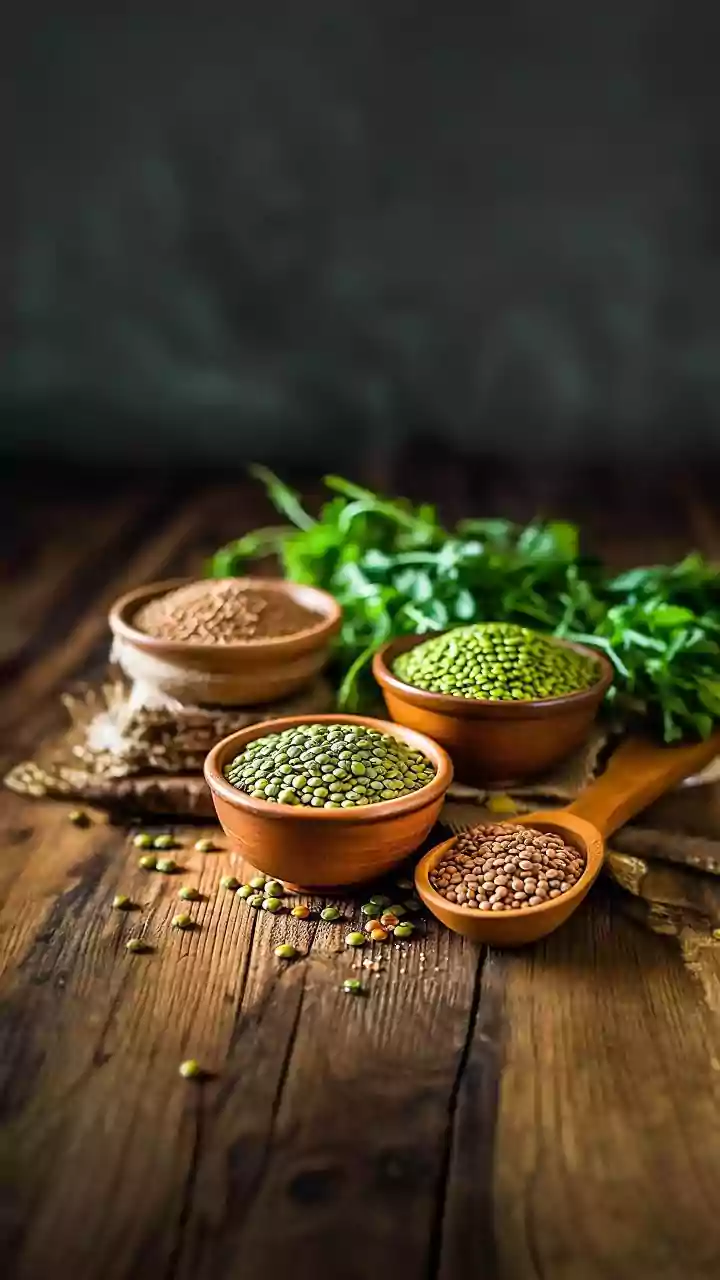
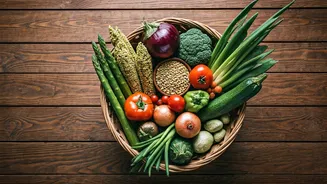
So, how can you join this movement? It starts with a smart pantry. The heroes of this trend are ingredients that deliver maximum nutrition for minimum cost. Pulses and legumes like chickpeas, rajma, and a variety of dals are protein powerhouses that form the base of countless affordable meals. Embracing seasonal vegetables is another key strategy. When you buy what’s in season—be it spinach in winter or bhindi in summer—it's not only cheaper and fresher but also more flavourful. Don't overlook the humble egg, a complete source of protein that can be turned into a quick bhurji or curry. And of course, whole grains like whole wheat flour, brown rice, and the aforementioned millets provide sustained energy and essential fibre, keeping you full for longer.
Master the Viral Hacks
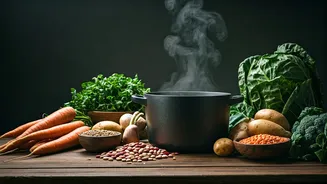
Beyond ingredients, the trend is built on clever techniques that are easy to adopt. First is the 'leftover glow-up.' Yesterday's dry sabzi can be stuffed into a paratha, and leftover dal can be kneaded into dough for a protein-packed roti. This mindset eliminates waste and creates a new meal from practically nothing. Second is mastering batch cooking. Spend an hour on Sunday preparing a base gravy (like a simple onion-tomato masala) that can be used for different dishes throughout the week, drastically cutting down daily cooking time. Another viral hack is smart storage: learning how to properly store fresh herbs, greens, and vegetables can extend their life by days, ensuring you use everything you buy. These small habits add up to significant savings.
More Than Just Saving Money
While the trend was born from economic necessity, its appeal runs deeper. It represents a conscious shift towards more mindful consumption. By focusing on local, seasonal produce and reducing food waste, this way of cooking is inherently more sustainable. It's also a return to tradition. Many of these 'new' hacks are simply modern adaptations of the wisdom our grandparents practiced for generations—using every part of the vegetable, making simple but nutritious meals, and understanding the value of home-cooked food. In a world of fast food and complex recipes, this viral movement is a refreshing reminder that the best meals are often the simplest, healthiest, and kindest to both our wallets and the planet.