

A Buffet for Winged Visitors
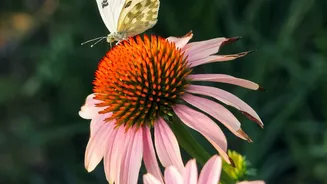
The first step to attracting wildlife is to offer a reliable food source. For butterflies, this means planting a variety of nectar-rich flowers. Bright, fragrant blooms like Marigolds, Zinnias, Hibiscus, and Lantana are excellent choices that thrive in Indian
climates. Planting flowers that bloom in different seasons ensures a year-round food supply. For birds, the menu includes seeds, berries, and insects. Sunflowers are a fantastic dual-purpose plant, offering nectar when in bloom and seeds for sparrows and finches later on. Fruiting shrubs and trees such as guava, jamun, or mulberry will also attract a variety of bird species. Importantly, a garden teeming with insects is a healthy garden. Avoiding chemical pesticides is crucial, as insects and caterpillars are a primary food source for many birds and the larval stage for all butterflies.
The Essential Oasis: Providing Water
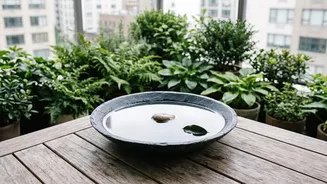
While food brings them in, a consistent source of fresh water will encourage birds and butterflies to stay, especially during hot and dry months. You don’t need an elaborate fountain; a simple, shallow container is often preferred by wildlife. An old plate, a plant saucer, or even an upside-down dustbin lid can serve as an effective birdbath. The key is to keep the water shallow—no more than a couple of inches deep—to prevent smaller creatures from drowning. Adding a few pebbles or small stones to the dish provides a safe place for butterflies and bees to land and drink without getting their wings wet. Place the water source in a relatively open but sheltered spot, allowing birds to watch for predators like cats while they drink or bathe. If cats are frequent visitors to your area, elevating the bath on a pedestal or stand is a wise precaution. Remember to change the water every couple of days to keep it clean and prevent the spread of disease.
Safe Havens: Creating Shelter
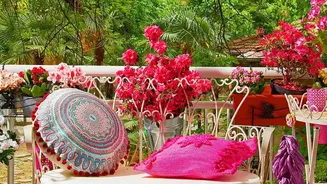
Birds and butterflies need safe places to rest, hide from predators, and seek refuge from harsh weather. Creating this sense of security is just as important as providing food and water. Dense shrubs, climbing plants on a fence, or a small cluster of potted trees can create the cover they need. Hibiscus and Bougainvillea not only provide food but their dense foliage offers excellent shelter. You can also consider adding a birdhouse or leaving a small, undisturbed corner of your garden a bit 'wild'. A small pile of leaves and twigs can become a habitat for insects, which in turn provides food for birds. Don't be too quick to prune everything perfectly; slightly overgrown areas are often the most attractive spots for wildlife to nest and rest. For butterflies, it's also important to include 'host plants' like Milkweed or Curry Leaf plants, where they can lay their eggs and their caterpillars can feed.