



The Disappearing Shoreline
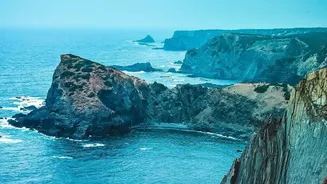
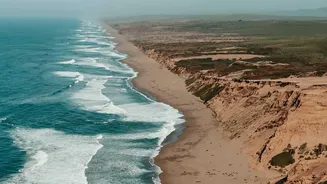
Coastal erosion is the process by which land and beaches are worn away by the force of waves, tides, and storms. For India, with its 7,500-kilometre coastline, this is a pressing concern. According to the National Centre for Coastal Research (NCCR), about
34% of the country's mainland coastline is experiencing varying degrees of erosion. This isn't just a matter of losing scenic beaches. It means families are losing their homes and agricultural lands to the advancing sea, and fishing communities are losing the very ground they need for their operations, such as parking boats and mending nets. In states like Kerala, hundreds of families have been displaced, forced to live in temporary relief camps for years after their houses were destroyed by the waves. This loss of land represents a direct threat to the safety and livelihoods of an estimated 250 million people living in coastal regions.
A Crisis Washing Ashore Across India
The problem is not uniform; some states are bearing a much heavier burden. West Bengal is the most severely affected, with over 60% of its coastline eroding. This has devastating consequences for the fragile Sundarbans delta, a UNESCO World Heritage site. Following West Bengal, Puducherry has seen 56% of its coast erode, while Kerala and Tamil Nadu have both lost over 40% of their shorelines. Even on the west coast, which is generally more stable, states like Gujarat are witnessing significant erosion along hundreds of kilometres of their shoreline. The eastern coast is considered more vulnerable overall, facing more frequent and intense cyclones that accelerate land loss. In Odisha, rising sea levels and powerful waves have already submerged entire villages, forcing the government to establish the country's first climate-resettlement colony for displaced people.
The Ecological Ripple Effect
The impact of coastal erosion extends far beyond the visible loss of land. It sets off a chain reaction of environmental damage. One of the most critical consequences is the destruction of natural coastal defences like mangroves and coral reefs. Mangrove forests act as vital buffers, absorbing wave energy and protecting inland areas from storm surges. As they are eroded, the coast becomes more vulnerable. The loss of these habitats also threatens the rich biodiversity they support. Furthermore, as the sea pushes inland, saltwater intrudes into freshwater aquifers, contaminating drinking water supplies and rendering agricultural land unusable. This salinisation of groundwater is a slow, creeping disaster that affects the long-term viability of coastal communities. The entire coastal ecosystem, from turtle nesting beaches to delicate wetlands, is put at risk by the shifting shoreline.
A Man-Made and Natural Threat
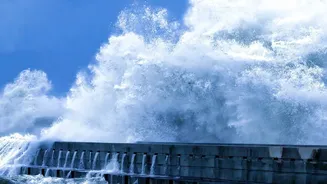
Coastal erosion is driven by a combination of natural forces and human activities. Climate change is a major accelerator, with rising sea levels and an increase in the frequency of extreme weather events like cyclones battering the coast. However, human interventions have significantly worsened the problem. The construction of dams on major rivers has drastically reduced the flow of sediment that naturally replenishes beaches and deltas. Unregulated sand mining from beaches and rivers further starves the coast of this essential material. The building of coastal infrastructure like ports, harbours, and seawalls can also disrupt the natural movement of sediment along the shore, often protecting one area at the expense of causing severe erosion elsewhere. This combination of factors has turned a natural process into a widespread crisis.