


Look Beyond the Perfect Bedspread
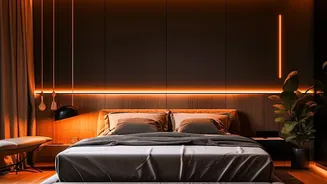
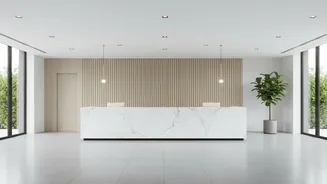
Every traveler knows the slight disappointment of a hotel room that doesn’t quite match its glamorous online photos. While professional photographers are paid to make spaces look their best, your job as a savvy traveler is to look for clues about what
a room is really like. This goes beyond aesthetics; it's about safety, cleanliness, and value. A few strategic checks before you book and upon arrival can mean the difference between a restful stay and a frustrating one. The most revealing details are often not in the plush pillows or stylish decor, but in the functional parts of the room that photographers might gloss over: the windows, the bathroom, and the true sense of the room’s size and layout.
The Window Is a Security Checkpoint
A window is more than just a source of light or a frame for a view; it’s a potential vulnerability. When scanning hotel photos, pay attention to the windows, especially in rooms on the ground or first floor. Do they appear to have secure, modern locks? Upon arrival, make it the first thing you check. Ensure any latches engage properly and that the window cannot be easily forced open from the outside. This is particularly vital for rooms with balconies or those adjacent to fire escapes or flat roofs, which can provide unintended access. Also, check that the curtains or blinds close fully and offer complete privacy. A sheer curtain might look beautiful in a photo but offers little protection from prying eyes. If the listing boasts a view, try to verify it with guest-submitted photos, which are often more honest than the hotel’s carefully framed professional shots.
The Bathroom Tells a Deeper Story
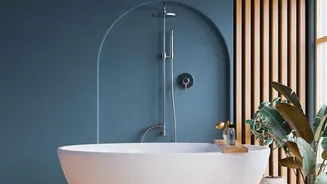
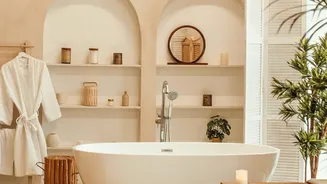
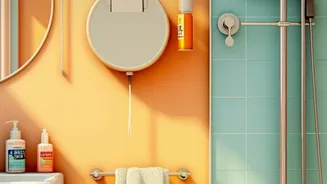
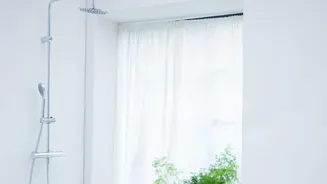
A bathroom can be a major tell. In hotel listings, if there are no photos of the bathroom, or only a close-up of a neatly folded towel, consider it a red flag. It often means the space is tiny, dated, or in poor condition. When you do see photos, look for signs of deeper maintenance issues that a simple cleaning can't hide. Check the caulking around the tub and sink. Is it peeling, cracked, or showing signs of mould? These issues point to poor moisture control, which can lead to bigger problems. Cracked tiles or flooring are other indicators that the hotel is neglecting upkeep. Upon arrival, your nose is a powerful tool. A heavy scent of air freshener might not be a sign of cleanliness, but an attempt to mask musty odours from mould or plumbing issues. Run the shower to check for both water pressure and how quickly the water gets hot—weak pressure or a long wait for hot water are clues that the hotel's infrastructure might be struggling.
Decoding the Signs of Scale
Perhaps the most common trick in hotel photography is manipulating a room's perceived size. Hoteliers often use wide-angle lenses to make small spaces appear palatial. One giveaway is a slight distortion or curve in the walls. Another is when furniture, like the bed, seems to float in an unnaturally large expanse of floor. To get a true sense of scale, look for reference points. A standard interior door is typically 80 inches tall, and a desk chair or nightstand has a relatively standard size. Use these objects to mentally measure the space. If the hotel lists the room’s size in square feet or meters, be wary. Some hotels include the balcony or patio space in that measurement, which can be misleading. A more reliable method is to count the floor tiles or planks if they are visible in photos; floor tiles are often a standard 12 or 18 inches. Ultimately, the best way to gauge scale is to ignore the professional gallery and head straight for the photos uploaded by previous guests on review sites. Their unedited phone pictures will give you the unfiltered truth about how much space you're really getting.