
A Sudden Change of Fortunes
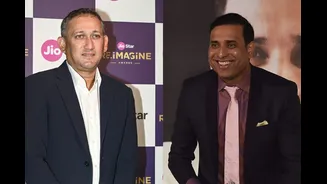
The conversation around the chief selector role has shifted dramatically. Just months ago, in April 2026, reports suggested Ajit Agarkar was set for a contract extension until the 2027 ODI World Cup, a reward for a tenure that saw India secure three ICC
trophies. However, recent developments, including a controversy surrounding Rohit Sharma's ODI future, have reportedly put Agarkar's position under review. His current term is set to conclude in September, and while a successful upcoming Test series in Sri Lanka could still turn the tide, the BCCI is said to be evaluating its options, with a final decision likely at the September AGM.
The Case for VVS Laxman
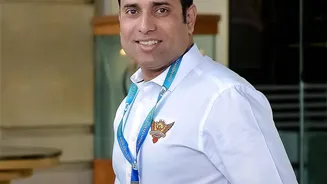
VVS Laxman's name entering the fray is no surprise. As the current Head of Cricket at the National Cricket Academy (NCA), he is deeply embedded in the BCCI's developmental pipeline. Since taking over from Rahul Dravid in 2021, Laxman has overseen the nurturing of the next generation of Indian talent, including the India U-19 and India A teams. He has also stepped in as an interim head coach for the senior team on multiple occasions. Proponents believe his calm demeanor, immense technical knowledge, and the respect he commands from senior players like Rohit Sharma and Virat Kohli make him an ideal candidate to steer Indian cricket's selection policies.
More Than Just Picking Players
The chief selector's job is one of the most demanding and high-pressure roles in Indian sport. As Agarkar himself noted, unlike playing, where the bat or ball is in your hand, a selector's influence ends after the squad is picked. The role involves not just identifying talent but also strategic planning for major tournaments, managing communication with the captain and coach, and navigating the immense public and media scrutiny that follows every decision. It requires a thick skin and the ability to make tough, sometimes unpopular, calls that can shape a player's career.
From Mentor to Master Strategist?
Should Laxman get the nod, his biggest challenge will be transitioning from a developmental role to a results-oriented one. His work at the NCA is focused on long-term growth and building processes. The chief selector, however, is judged on the immediate success of the senior team. He would need to swap his mentor's hat for that of a decisive administrator. Furthermore, taking the job would likely require him to leave his post at the NCA to avoid any conflict of interest, creating a significant void in the very talent pipeline he has helped fortify. His predecessor, Rahul Dravid, made a similar move from NCA head to national coach, setting a precedent, but the selector's role comes with its own unique political and public pressures.