


The Homemade Advantage
Before we get to the upgrade, let’s appreciate why you’re making your own badam butter in the first place. Store-bought versions are often loaded with sugar, hydrogenated oils, and preservatives to extend shelf life. When you make it yourself, you control
everything. You get pure, unadulterated nutty goodness, free from unwanted additives. The flavour is fresher, the nutrition is cleaner, and the satisfaction is immense. But even the best homemade almond butter can feel like it’s missing a little something. It can be a bit one-note. That’s where this simple but powerful enhancement comes in, elevating your healthy habit into a truly gourmet experience.
Why Pink Salt Is a Game-Changer
Not all salt is created equal. While regular table salt will do the job of bringing out flavour, Himalayan pink salt offers a more nuanced and complex profile. Harvested from ancient sea salt deposits, its pink hue comes from trace minerals like potassium, magnesium, and calcium. These minerals don't just add colour; they contribute to a milder, less aggressive saltiness compared to processed iodised salt. In almond butter, this means the salt enhances the rich, earthy notes of the almonds without overpowering them. It acts as a flavour catalyst, making the nuts taste more like themselves. The slightly coarser texture of finely ground pink salt can also add a pleasant, subtle crunch that contrasts beautifully with the creamy butter.
The Aromatic Power of Cinnamon
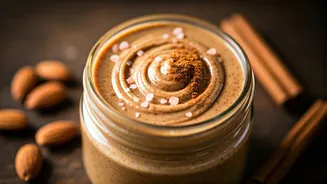
Cinnamon and almonds are a classic pairing for a reason. The sweet, woody warmth of cinnamon is the perfect complement to the buttery richness of the almonds. It adds an aromatic depth that makes your almond butter smell as incredible as it tastes. Beyond its delightful flavour, cinnamon is celebrated in wellness circles for its potential health benefits. It's packed with antioxidants and has been studied for its role in helping to manage blood sugar levels. While your spoonful of almond butter won’t be a medical treatment, it’s a nice bonus to know that this flavourful spice is also working for you. For the best flavour, seek out Ceylon cinnamon, which has a more delicate and complex taste than the more common and spicier cassia variety.
The Step-by-Step Hack
Ready to create the best almond butter of your life? The process is simple, but the timing of the additions is key. 1. Toast Your Almonds: This is non-negotiable for maximum flavour. Spread raw, unsalted almonds on a baking sheet and toast at 175°C (350°F) for 10-12 minutes, until they are fragrant and a shade darker. Let them cool slightly—they blend better when warm, not hot. 2. Start Blending: Add the warm almonds to a high-powered food processor. Begin blending. The almonds will first turn into a coarse meal, then a thick, clumpy paste. Scrape down the sides of the bowl as needed. Be patient; this can take a few minutes. 3. The Hack: Once the mixture starts to look like a thick dough, it’s time. With the processor running, add your pink salt and cinnamon. For every 2 cups of almonds, start with ½ teaspoon of finely ground pink salt and 1 teaspoon of cinnamon. Blending them in at this stage ensures they are perfectly integrated. 4. Blend to Creaminess: Continue processing. After a few more minutes, the paste will break down, releasing its natural oils and transforming into a smooth, creamy, and wonderfully aromatic butter. The heat from the friction helps this process along. Blend until it reaches your desired consistency.
Customize and Store
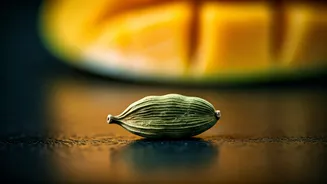
This pink salt and cinnamon base is a perfect canvas for further customisation. Consider adding a splash of vanilla extract for a dessert-like quality, a pinch of cardamom (elaichi) for a desi twist, or a teaspoon of jaggery powder or maple syrup if you prefer a touch of sweetness. Once you’re happy with your creation, transfer it to a clean, airtight glass jar. Homemade almond butter will stay fresh in the pantry for a couple of weeks or in the refrigerator for over a month. The only problem? It’s so delicious, it probably won’t last that long.