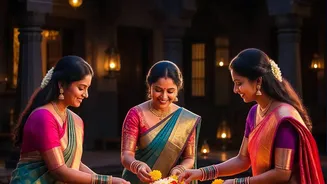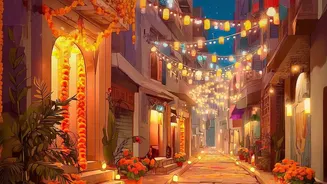

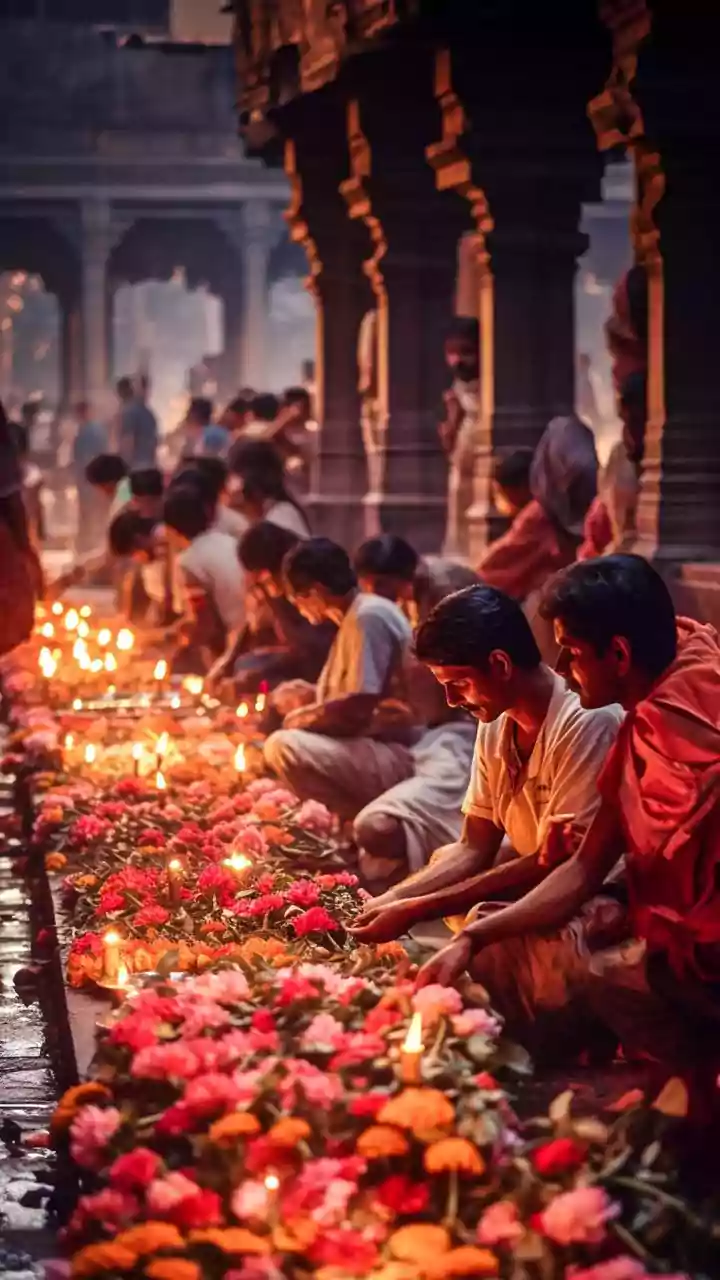
Deepavali, the festival of lights, illuminates India in a joyous, unifying glow. Yet, the stories, rituals, and even the main day of celebration can look quite different depending on whether you are in the North or the South of the country.
A Tale of Two Legends
The core reason
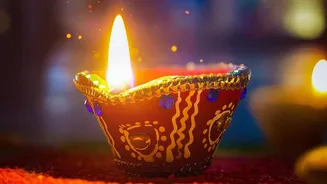
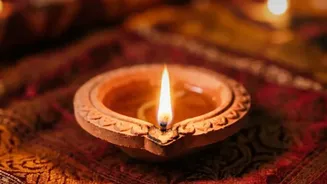
behind the different celebrations lies in mythology. In North India, the festival of Diwali is most widely associated with the return of Lord Rama to his kingdom of Ayodhya after 14 years in exile and his victory over the demon king Ravana. The people of Ayodhya are said to have lit rows of clay lamps, or 'diyas', to welcome him back on a moonless night, symbolising the triumph of good over evil. In contrast, for most of South India, the festival honours Lord Krishna's victory over the demon Narakasura. According to this legend, the tyrannical Narakasura was slain by Krishna, often with the aid of his consort Satyabhama, freeing thousands of people. While both stories celebrate the victory of light over darkness, the central figures and narratives are distinct, setting the stage for different rituals.
The Main Day of Celebration
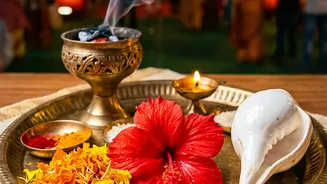
This difference in mythology leads to a difference in timing. In the North, the most significant day is the third day of the five-day festival, which falls on Amavasya (the new moon). This evening is dedicated to Lakshmi Puja, the worship of the goddess of wealth and prosperity. In the South, however, the main celebratory day is typically Naraka Chaturdashi, the day before the new moon. This is the day that marks Narakasura's defeat. While called 'Choti Diwali' or 'small Diwali' in the North, in states like Tamil Nadu and Karnataka, Naraka Chaturdashi is the primary day of festivities.
The Dawn Ritual vs. The Evening Puja
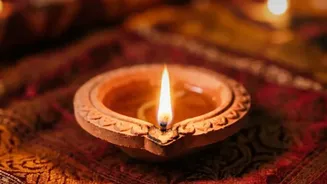
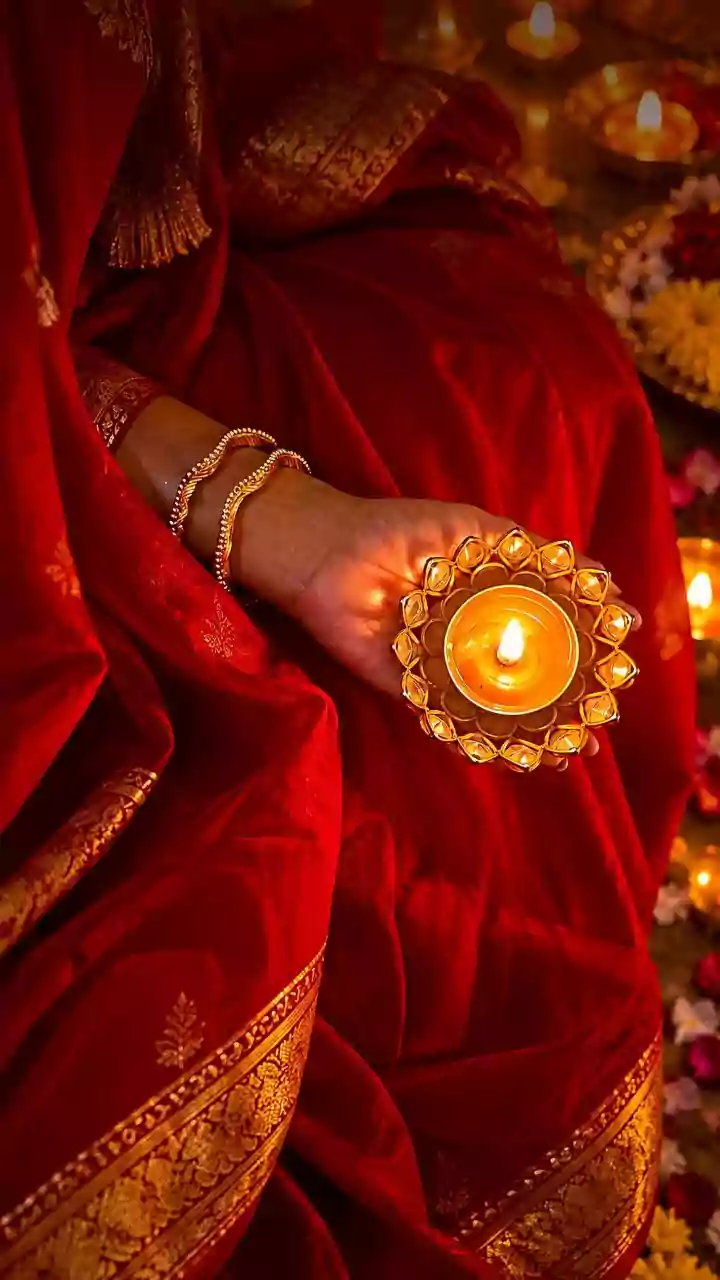
One of the most defining rituals in South Indian Deepavali celebrations is the 'Ganga Snanam', a ceremonial oil bath taken before sunrise on Naraka Chaturdashi. Families wake up early, and elders often apply warm sesame or coconut oil on the heads of younger members. This bath is considered as sacred as taking a dip in the holy Ganga river and symbolises purification and the washing away of sins. After the bath, people wear new clothes and begin the day's celebrations, often with the bursting of firecrackers at dawn. In the North, the emphasis is firmly on the evening. The main ritual is the Lakshmi Puja, performed after sunset. Families clean their homes meticulously, as it is believed Goddess Lakshmi visits the cleanest homes first. They light rows of diyas and candles to welcome her, followed by bursting firecrackers late into the night.
A Feast of Regional Flavours
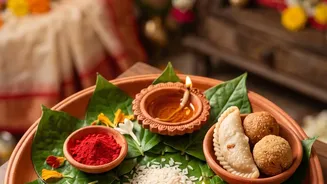
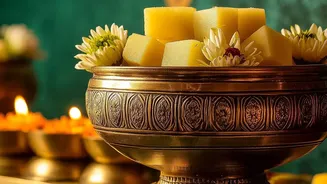
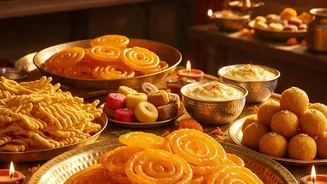
The festive food platters also tell a tale of two regions. In the North, Diwali sweets are often milk_based and rich, featuring favourites like Kaju Katli (cashew fudge), Soan Papdi, and various kinds of barfi and ladoo made with ghee and nuts. Savoury dishes like dal makhani and paneer curries are also popular for the main festive meal. In the South, the day often starts with consuming 'Deepavali Marundu' or 'Lehiyam', a herbal paste made with ingredients like ginger and jaggery to aid digestion before the feasting begins. Sweets like the jaggery_based Adhirasam, Mysore Pak, and various kinds of ladoos are popular. On the savoury side, crispy snacks like Murukku and Chakli are an indispensable part of any celebrations.