







The Science Behind the Stroll
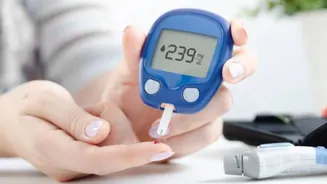
When you eat, especially carbohydrates, your body breaks them down into glucose, which enters your bloodstream. This causes your blood sugar to rise. In response, your pancreas releases insulin to help move that glucose into your cells for energy. Sometimes,
this process can lead to sharp spikes and subsequent crashes in blood sugar, leaving you tired. A walk after a meal changes this dynamic. When you start moving, your muscles need energy and begin pulling glucose directly from the bloodstream. This action happens independently of insulin, making it a particularly effective mechanism for lowering the post-meal glucose peak. Research shows this helps prevent blood sugar from spiking as high as it would if you remained seated.
How Long and When to Walk?
The good news is that you don't need to run a marathon. Studies have found that even a light-intensity walk of just two to five minutes can have a measurable, positive effect on blood sugar levels. Many experts recommend aiming for a 10 to 15-minute walk for a more significant impact. Timing is also a critical factor. For the best results, research suggests starting your walk within 60 to 90 minutes after eating, which is when blood sugar levels tend to be at their highest. Some studies indicate that the sooner you start walking after your meal, the better the outcome for blunting the glucose spike. One study even found that three short 15-minute walks after each meal were more effective at controlling blood sugar over 24 hours than one 45-minute walk.
Who Benefits the Most?
While anyone can benefit from avoiding sharp blood sugar spikes, post-meal walks are particularly helpful for certain groups. The practice is a powerful tool for individuals with prediabetes or type 2 diabetes, as it helps manage glycemic control and improve insulin stability. Over 98 million Americans have prediabetes, many without knowing it, and this simple habit can help prevent or delay the onset of type 2 diabetes. However, the benefits aren't limited to those with diagnosed conditions. Studies show that people without diabetes also see a significant blunting of their post-meal glucose spikes, leading to more stable energy levels and better long-term metabolic health.
More Than Just Blood Sugar
The advantages of a post-meal stroll extend beyond glucose control. Light to moderate walking can also aid digestion by stimulating the gastrointestinal tract, which may help reduce feelings of bloating and gas. Incorporating these short walks throughout your day easily adds up. Three 10-minute walks after meals contribute 30 minutes of daily activity, helping you meet physical activity recommendations for general cardiovascular health. Regular walking can help lower blood pressure, improve circulation, and contribute to weight management when paired with a healthy diet.
Making It a Simple Habit
Integrating this practice into your daily routine can be simple. You don't need special equipment or a gym membership. After lunch at the office, take a quick walk around the block instead of returning directly to your desk. After dinner at home, make it a family activity and take a stroll around the neighbourhood. Start with a duration that feels manageable, even if it's just five minutes, and build from there. The key is consistency. By making a post-meal walk a regular part of your day, you leverage a simple, free, and effective tool for improving your overall health and well-being.