








See and Be Seen: Illuminate Your Ride
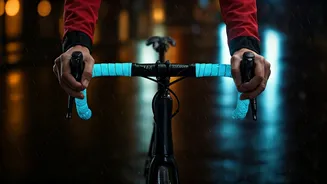
Visibility drops dramatically during a downpour, both for you and for other road users. Smart monsoon cycling starts with being impossible to miss. Invest in a powerful, waterproof set of front and rear lights. [22, 11] Modern LED lights are bright enough
to cut through heavy rain and daytime gloom. [5] Look for models with at least 200 lumens, multiple modes (like a flashing setting to attract attention), and a robust, water-resistant build. [22, 5] Complement your lights with reflective gear. [16] Many cycling jackets, ankle straps, and even backpacks come with built-in reflective elements that light up under headlights, making you significantly more visible after dark or in low-light conditions. [2, 9]
Stay Dry, Ride Longer: Waterproof Apparel
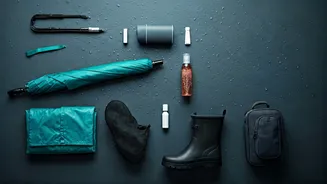
There's a significant difference between 'water-resistant' and 'waterproof'. For the Indian monsoon, you need the latter. A high-quality waterproof jacket is a critical investment. [3] Look for features like taped or welded seams, which prevent water from seeping through the stitching, and a minimum waterproof rating of 10,000mm to handle heavy downpours. [3] Breathability is just as important; a jacket that doesn't allow sweat to escape will leave you just as wet from the inside. [3, 2] Materials like Gore-Tex are renowned for this balance. For full protection, consider waterproof cycling trousers and shoe covers to keep your lower body and feet dry and comfortable. [2, 21]
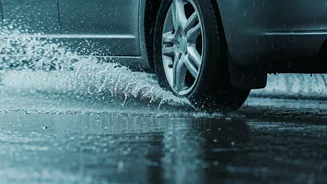
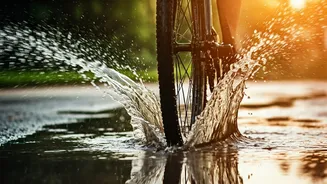
Control the Splash: The Necessity of Fenders
Fenders, or mudguards, are non-negotiable for monsoon riding. [16, 7] They are not just about keeping your back and face free from a muddy spray. A constant jet of gritty road water can wear down your bike’s components, from the headset bearings to the drivetrain. [14, 7] Full-length fenders that provide maximum coverage for both wheels are the smartest choice. [7] They prevent water from splashing onto your feet and drivetrain, keeping you more comfortable and extending the life of your bike's most sensitive parts. They also prevent you from spraying the cyclist behind you, which is basic riding etiquette.
Grip is Everything: Tyres and Brakes
Wet roads are slippery roads. Metal plates, road paint, and oily patches become treacherous hazards. [14] To improve traction, consider using tyres with a deeper tread pattern or those made from a softer rubber compound specifically designed for wet conditions. [10, 24] Another effective technique is to slightly lower your tyre pressure—about 5-10 PSI less than usual—to increase the tyre's contact patch with the road for better grip. [16] Braking performance is also compromised in the rain. [14] Your brake pads need more time and distance to stop. Check your pads for wear regularly and remember to brake earlier and more gently than you would in the dry.
Protect Your Essentials: Waterproof Storage
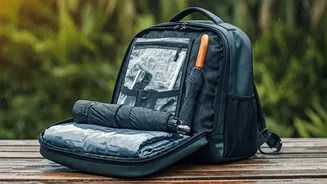
Your phone, wallet, and a spare dry layer won't survive a monsoon ride without protection. A fully waterproof backpack, pannier, or saddlebag is an essential piece of smarter gear. [27, 16] Look for bags with roll-top closures, which create a watertight seal, or those made from materials with HF-welded seams. [28, 29] Even a simple waterproof phone case can save you from an expensive mishap. [16] Keeping your essentials dry means you can ride with peace of mind, focusing on the road and the joy of the journey without worrying about your valuables.
After the Ride: Essential Maintenance
Smarter monsoon cycling doesn't end when you get off the bike. The mix of water and road grit is highly corrosive and can quickly lead to rust and component wear. [14, 9] After every wet ride, take a few minutes to clean and dry your bike. [9, 17] Pay special attention to the chain, cassette, and derailleurs. [17] Once the chain is clean and dry, apply a 'wet' chain lubricant. [3, 15] Unlike dry lube, wet lube is thicker, more resistant to being washed off by rain, and offers better protection against rust, ensuring your bike is ready for the next downpour. [3, 7]