






A New Era Beyond ISRO
For decades, a career in space in India was synonymous with one name: the Indian Space Research Organisation (ISRO). While ISRO remains the backbone of the nation's space ambitions, a seismic shift is underway. Landmark government reforms in 2020, which
opened the doors to private participation, have ignited a commercial space race within the country. The establishment of the Indian National Space Promotion and Authorisation Centre (IN-SPACe) as a single-window agency has been pivotal, creating a fertile ground for startups and private enterprise to flourish. This policy shift has transformed the sector from a government-led programme into a dynamic, multi-billion dollar industry. Projections show India's space economy is set to skyrocket from around $8 billion today to an estimated $44 billion by 2033, creating a massive gravitational pull for talent.
The Startup Frontier
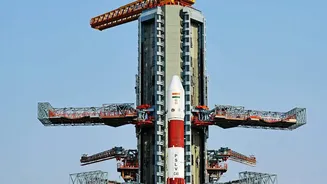
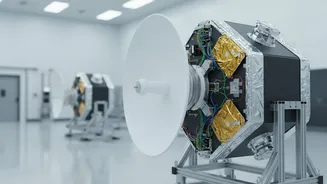
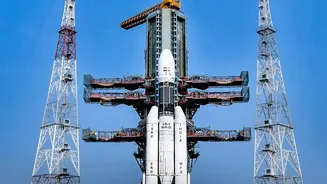
The real engine of this new job boom is a vibrant startup ecosystem. Over 400 private space startups are now registered with IN-SPACe, each aiming to carve out its niche in the cosmos. Companies like Skyroot Aerospace and AgniKul Cosmos are developing their own launch vehicles to send satellites into orbit, breaking ISRO’s long-held monopoly. Meanwhile, startups such as Pixxel are building constellations of advanced earth-observation satellites, and Dhruva Space is focused on satellite platforms. This private-sector explosion is not just about building rockets; it's about creating a complete industrial supply chain. These companies are hiring aggressively, offering competitive salaries, and providing a fast-paced work environment that is attracting talent not just from universities, but also from established tech companies and even ISRO itself.
The In-Demand Skill Sets
The modern space industry requires a far broader range of skills than just traditional aerospace engineering. While rocket scientists are certainly needed, the biggest surge in demand is in software and data. India's world-class software talent pool is a key advantage. Roles for software engineers are plentiful, spanning everything from writing flight control software for rockets and satellites to developing complex ground systems for mission operations and processing the vast amounts of data sent back to Earth. Data scientists and geospatial analysts are in high demand at companies that turn satellite imagery into actionable insights for agriculture, urban planning, and climate monitoring. Beyond software, there is a critical need for engineers specialising in propulsion, avionics, robotics, and materials science, as well as non-technical professionals in finance, law, and business development to help these new companies scale and compete globally.
From Campus to Cosmos
The excitement is palpable on college campuses. Following the Chandrayaan-3 mission, applications for aerospace engineering courses spiked, and students are increasingly listing it as a top preference. This groundswell of interest is crucial for building a sustainable talent pipeline. However, the industry faces a challenge in finding talent with niche, ready-to-deploy skills in areas like rocket propulsion and photonics. To bridge this gap, many startups are investing heavily in their own training programs, effectively creating specialists in-house. At the same time, the sector is demonstrating its maturity by attracting senior, experienced professionals from ISRO and other global aerospace firms. This trend not only brings invaluable expertise into the private ecosystem but also provides mentorship for the next generation, creating a virtuous cycle of knowledge and growth.