





The Sound of Growth
If you picture a farmer serenading their crops with a violin, you’re not entirely wrong, but the reality is far more scientific. The field is called phytoacoustics, and it explores how plants perceive and respond to sound. We’re not talking about playing
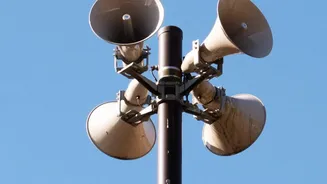
pop music, but rather emitting specific, often low-frequency, sound waves. Research has shown that the right kind of vibrations can trigger tangible biological responses in plants. Studies have documented that sound can speed up seed germination, encourage root development, and ultimately increase the size and yield of crops. It’s a non-invasive, chemical-free way to give plants a boost, moving the idea from a charming gardening myth into a legitimate area of agricultural science.
How Plants 'Hear' Vibrations
Plants don’t have ears, but they are incredibly sensitive to their physical environment. They perceive vibrations through a process called mechanoreception. Think of it like this: tiny sensory organs in their cells detect mechanical stimuli like wind, touch, and, yes, sound waves. When a plant is exposed to certain frequencies, it can respond in remarkable ways. For example, sound vibrations can prompt the stomata—tiny pores on the leaves—to open wider, allowing the plant to absorb more carbon dioxide for photosynthesis and take in more water and nutrients from the soil. This stimulation can lead to more robust growth. Some research even suggests these vibrations can enhance a plant's natural defenses, making it more resilient to drought and disease.
Why Urban Farms Are Listening
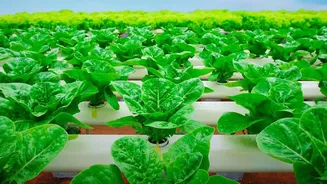
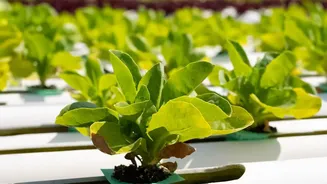
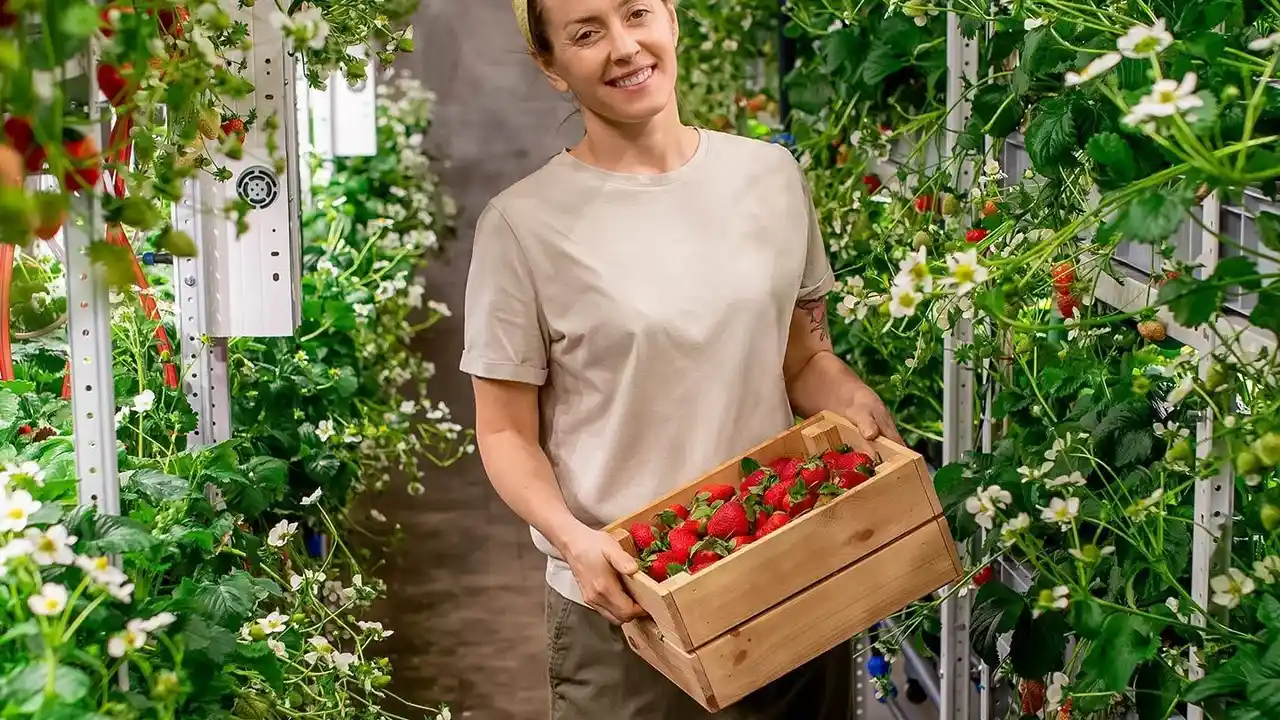
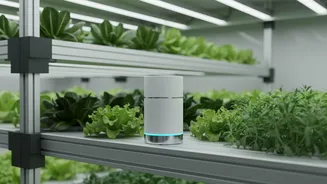
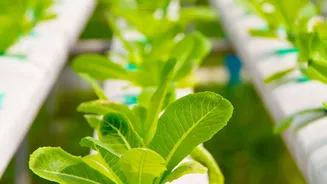
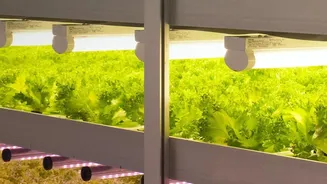
Large, traditional farms have acres of land to work with, but urban farms operate under a different set of rules. Squeezed into rooftops, warehouses, and vertical stacks, every square foot counts. In these highly controlled environments—often called Controlled Environment Agriculture (CEA)—farmers meticulously manage light, water, and nutrients to maximize output. Sound is becoming the next frontier in this optimization game. Because urban farms are closed systems, it's easier to implement and measure the effects of something like acoustic stimulation without interference from unpredictable weather or pests. For a vertical farm trying to produce the most lettuce possible in a 100-square-foot stack, a technology that promises even a small, consistent increase in yield is a potential game-changer. The goal is predictable, reliable output, and sound offers another tool to achieve it.
From Growth Signal to Distress Call
The innovation isn't just about stimulating growth; it's also about listening. Researchers have discovered that plants under stress—from dehydration or pests—emit their own tiny, ultrasonic popping sounds. While inaudible to us, sensitive microphones can pick them up. Companies are now developing bioacoustic systems that act as an early warning network. Imagine a sensor in a vertical farm detecting that a row of tomatoes is thirsty hours before the leaves even begin to wilt. The system could then trigger a targeted irrigation pulse, preventing stress and saving the crop from a potential yield loss. This shifts the use of sound from a general growth supplement to a precise diagnostic tool, perfectly suited for the data-driven world of modern urban agriculture.