




Your Two Ages: Chronological vs. Molecular
We all have a chronological age, the number of candles on our birthday cake. But scientists are increasingly focused on a different, more telling number: our molecular or epigenetic age. This is a measure of how old your body is on the inside, based on chemical
tags on your DNA that accumulate over time. Think of it as your body's true biological mileage. A high molecular age compared to your actual age is linked to a greater risk of disease and a faster decline in function. For years, we’ve known that lifestyle factors like diet, stress, and sleep influence this process. But recent discoveries are highlighting one factor that stands above the rest as a powerful tool to slow down, and even reverse, this internal clock: exercise.
The Muscle's Molecular 'Reset Button'
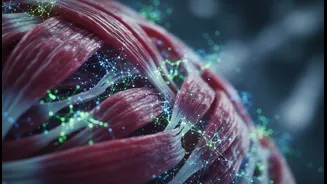
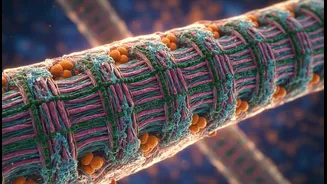
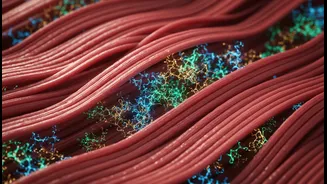
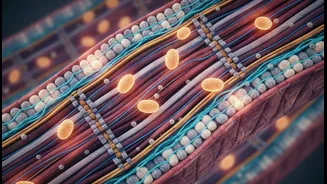
The most compelling new evidence comes from inside our muscles. A landmark July 2026 study pinpointed a specific gene that acts like a molecular switch for muscle ageing. As we get older, the activity of this gene, called DEAF1, increases. This throws muscle cells out of balance, preventing them from clearing out damaged components and leading to the weakness and loss of function we associate with ageing. The study revealed that physical activity effectively flips this switch off. Exercise activates other proteins that lower the levels of DEAF1, restoring the muscle’s natural ability to repair itself and maintain strength. Scientists describe it as hitting a biological “reset button,” reversing the genetic fingerprint of ageing muscle tissue to look more like that of a much younger person.
Rewriting the Rules of Long-Term Fitness
This discovery is changing how we should think about fitness planning. For decades, the focus was often on short-term goals: losing weight for an event, building muscle for summer, or training for a single marathon. But understanding the molecular impact of exercise reframes fitness as a long-term investment in your cellular health. It's not about punishing workouts to cram for a goal; it's about consistency to maintain the very machinery of your cells. The new rulebook isn't about choosing between cardio or weights. Both are vital. Research shows that aerobic exercise like cycling or brisk walking is particularly good at activating the pathways that suppress the muscle-ageing DEAF1 gene. Meanwhile, resistance training is crucial for building and preserving muscle mass, which acts as metabolic insurance for your entire body, and also helps reduce cellular senescence, the accumulation of old, malfunctioning cells.
Your Blueprint for Ageless Muscle
So, how do you apply this to your own life? The new science of fitness planning prioritises lifelong consistency over short-term intensity. The goal is to create a routine that is sustainable. This means integrating different types of movement into your week. Experts suggest a plan built on a few key pillars. Aim for 150 minutes of moderate-intensity cardio per week, such as brisk walking, swimming, or cycling, where you can still hold a conversation. Complement this with two to three sessions of resistance training, focusing on all major muscle groups. This doesn't have to mean heavy powerlifting; bodyweight exercises, resistance bands, and light weights are all effective. The key is to challenge your muscles consistently over time. The takeaway is clear: the most effective fitness plan is not the most punishing one, but the one you can stick with for the rest of your life. Every workout is a deposit into your biological bank account, keeping your muscles functionally young and resilient for decades to come.