
The Modern Urban Grind
Life in India's metros moves at a relentless pace. For young professionals, the combination of long commutes, high-pressure jobs, and the ‘always-on’ digital culture has led to a significant rise in burnout. A 2023 McKinsey Health Institute survey found
that 59% of Indian respondents reported symptoms of burnout, the highest rate globally. This state of physical and mental exhaustion is pushing many to reconsider their relationship with work and the city itself. The traditional two-day weekend often feels insufficient; it’s barely enough time to run errands and catch up on sleep, let alone truly disconnect and recharge before plunging back into the weekly chaos. The constant pressure is taking a toll, making a genuine escape more of a necessity than a luxury.
Redefining the Weekend Escape
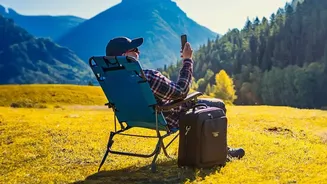
Enter the extended weekend. By strategically adding a Friday or Monday to their break, young Indians are finding a more effective way to decompress. This isn't just about taking a longer holiday; it's a micro-dosing approach to travel, often called 'slow travel'. The trend is fuelled by the rise of remote and flexible work policies, allowing professionals to blend work and leisure in what has been dubbed a 'workation'. Data shows a significant spike in bookings for trips lasting three to five nights, especially around public holidays. Instead of one big annual vacation, many are opting for multiple short, spontaneous getaways throughout the year, suggesting a shift towards sustained well-being over a single, blowout trip.
The Science of Slowing Down
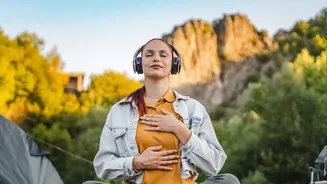
The benefits of these longer breaks are backed by science. Spending sustained time in nature, even for just a few days, can significantly lower stress hormones like cortisol, reduce blood pressure, and improve mood by boosting serotonin and dopamine. Psychologically, removing yourself from the environment where stress occurs provides a crucial cognitive distance from daily triggers. The brain's hypervigilance subsides, allowing for better focus, enhanced creativity, and deeper rest. This form of travel gives the nervous system a chance to settle, moving away from the sensory overload of city life and into a state of calm. It’s not just about seeing a new place; it’s about giving your mind the space it needs to reset and recover.
Finding Your Nearby Sanctuary
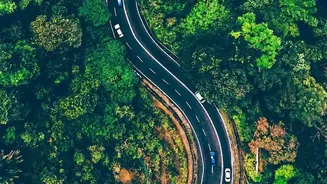
The beauty of the extended weekend is its accessibility. With improved road and air connectivity, serene destinations are often just a few hours away from major cities. For residents of Mumbai and Pune, the Western Ghats offer tranquil spots like Lonavala or coastal retreats in Goa. Those in Delhi NCR often escape to the Himalayan foothills in places like Rishikesh, Kasauli, or McLeodganj. From Bengaluru, the coffee plantations of Coorg and the hills of Chikmagalur provide a perfect green escape. These 'workation' friendly towns often feature charming cafes with reliable Wi-Fi, co-working spaces, and a variety of homestays, making it easy to balance productivity with relaxation.
Making the Most of Your Break
Planning an extended weekend doesn't have to be complicated. The key is to be intentional. If you plan to work, set clear boundaries. Dedicate specific hours to work and ensure your accommodation has a comfortable setup. If the goal is to completely disconnect, communicate your unavailability to your colleagues. Pack light but smart, focusing on comfort. Most importantly, resist the urge to create a packed itinerary. The point of a longer weekend is to slow down. Allow for spontaneity—whether it's discovering a local cafe, taking an unplanned hike, or simply reading a book with a view. The goal is to return feeling rested, not like you need a vacation from your vacation.