

The ISRO Effect: Inspiration from the Stars
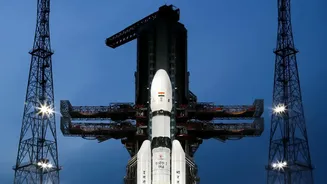
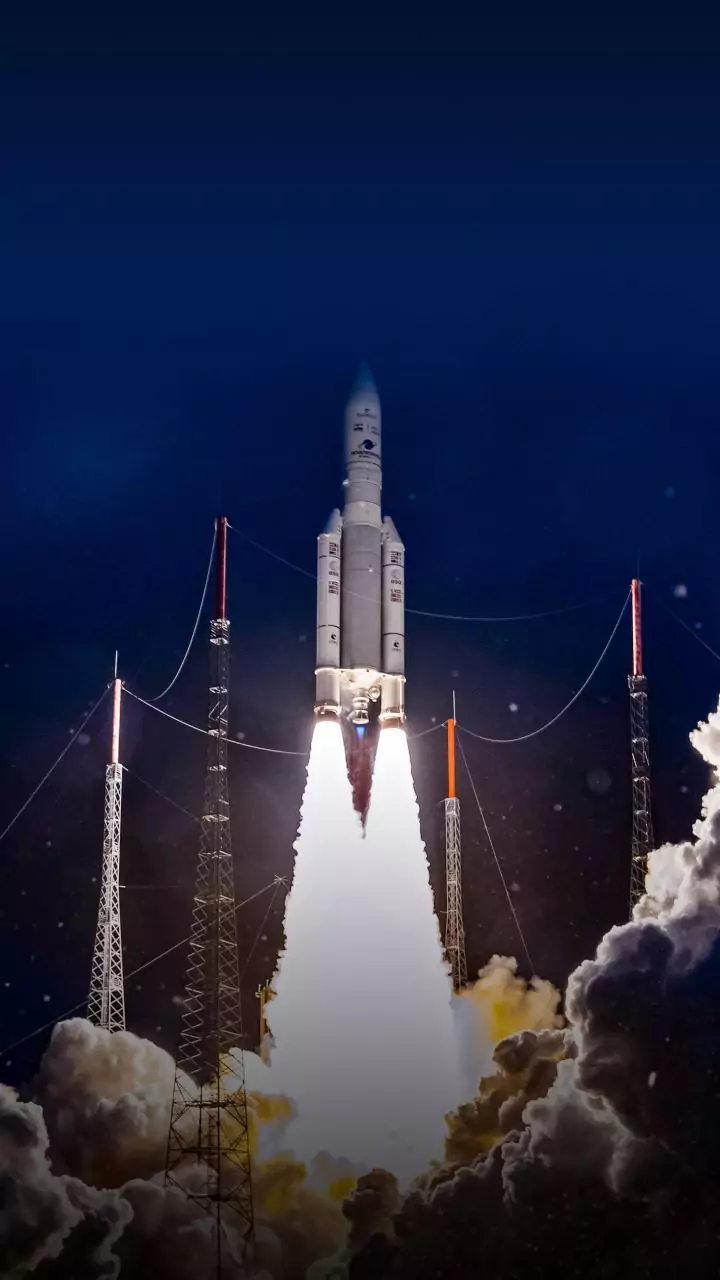
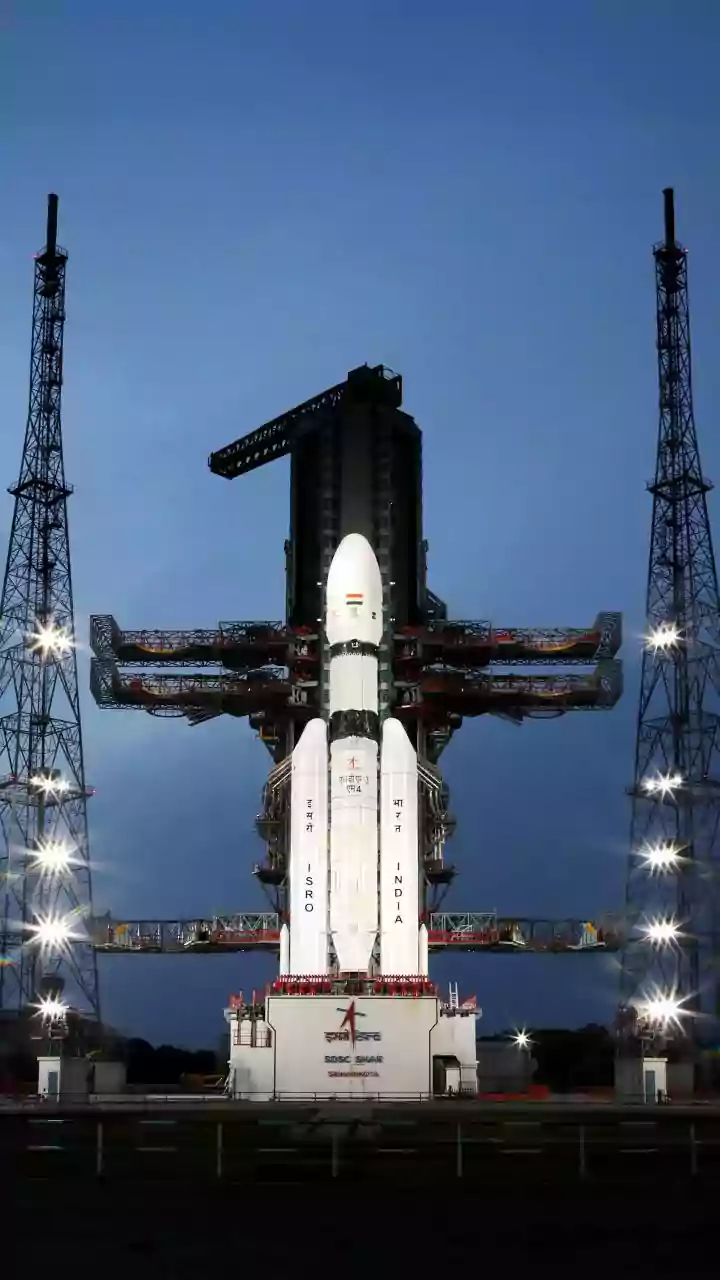
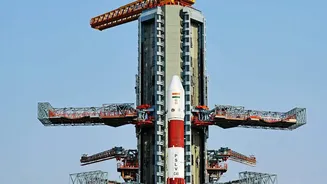
The single biggest driver behind this shift is the phenomenal success of the Indian Space Research Organisation (ISRO). Landmark missions like Chandrayaan and Mangalyaan have done more than just place India on the global space map; they have ignited the imaginations
of millions. These achievements, broadcast live across the nation, have transformed scientists and engineers into national heroes, creating powerful role models for young, impressionable minds. This 'ISRO effect' has fueled a surge of national pride and made careers in Science, Technology, Engineering, and Mathematics (STEM) more aspirational than ever. Educational experts note that after each major ISRO success, there is a corresponding spike in queries for courses related to aerospace engineering, astronomy, and avionics. This wave of inspiration is a powerful force, turning a passive interest in space into an active career pursuit.
A New Frontier: The Private Space Ecosystem
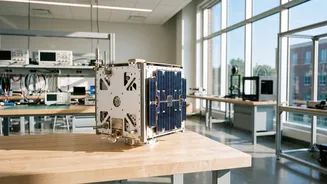
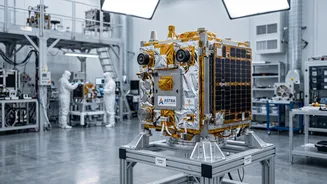
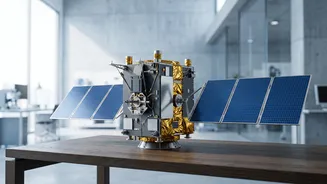
For decades, a space career in India largely meant one destination: ISRO. That reality has fundamentally changed. The opening of the space sector to private participation in 2020 has triggered a revolution. India now boasts hundreds of space startups like Skyroot Aerospace, Agnikul Cosmos, and Pixxel, working on everything from launch vehicles to satellite constellations. This has created a vibrant, alternative job market that was previously non-existent. These private companies, backed by significant investment, are scouting for fresh talent in diverse fields such as robotics, data science, satellite engineering, and even space law and economics. This booming ecosystem provides students with tangible proof that a degree in a space-related field can lead to exciting and lucrative careers beyond government service, making it a far more attractive and viable option for both students and their parents.
Building the Pipeline: Education Catches Up
Inspiration needs infrastructure to flourish. Recognizing this, India's education system is rapidly adapting. Initiatives like ISRO's own YUVIKA (Young Scientist Programme) aim to 'catch them young' by giving school students hands-on experience in space technology, with a preference for those in rural areas. At the grassroots level, the government's Atal Tinkering Labs (ATL) initiative, which has seen ISRO adopt 100 labs, provides students with tools like 3D printers and robotics kits to experiment with space-related ideas. Higher education is also evolving. The AICTE and IN-SPACe have launched a model curriculum for a minor degree in space technology, and top institutes like the IITs are introducing new, dedicated undergraduate and postgraduate programmes in space science and engineering, making specialized knowledge more accessible.
Redefining the 'Engineer'
The confluence of these factors is reshaping the very definition of a successful engineering career in India. For years, the default path for many bright engineering students led to the IT sector. While that remains a popular choice, the allure of space is creating a powerful new track. Students now see a future where they can be a 'satellite designer' or a 'launch vehicle engineer'—roles that sound exciting and carry national prestige. This shift is not just about jobs; it's about purpose. Working in the space sector is seen as contributing directly to a national mission and being part of a futuristic, high-growth industry. As the private space economy is projected to grow significantly, from around $9 billion today to over $40 billion in the next decade, the career pathways are set to become even more diverse and rewarding.