

Quinoa has become a beloved pantry staple, praised for its high protein content and versatility. But for every fan, there's someone who finds it disappointingly bitter or soapy. The secret to unlocking its delicious, nutty flavour isn't a complex technique,
but a simple, often-skipped step.
The Bitter Truth: What is Saponin?
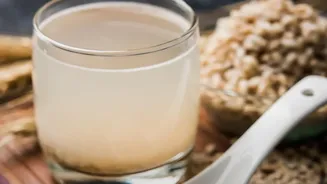
The culprit behind quinoa's sometimes unpleasant taste is a naturally occurring compound called saponin. This substance coats the outside of the quinoa seed, acting as a natural defense mechanism to deter birds and insects. While saponin is generally harmless to humans when ingested, its flavour is distinctly bitter and soapy, which is why it can ruin an otherwise perfectly good meal. For some people with particular sensitivities, saponin can also cause mild digestive irritation or stomachaches. The name 'saponin' itself comes from the Latin word for soap, 'sapo', because it creates foam when mixed with water, which is exactly what you might see when you first start washing your quinoa.
The Perfect Rinse: A Step-by-Step Guide
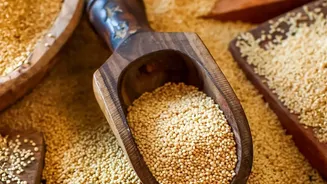
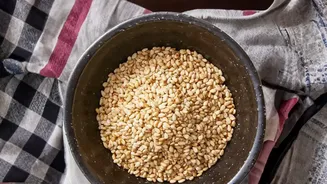
Rinsing quinoa is a non-negotiable step for guaranteeing a clean taste. The most effective tool for the job is a fine-mesh strainer, as the seeds are tiny and can easily fall through a standard colander. Place your measured quinoa in the sieve and hold it under cold running water. Use your hand to swish the grains around to ensure all of them are exposed to the water. At first, you may notice the water running off is cloudy or even slightly foamy—that's the saponin washing away. Continue to rinse for about one to two minutes, or until the water runs completely clear. Once rinsed, it's important to let the quinoa drain thoroughly. You can set the sieve over an empty bowl for a few minutes to allow excess water to drip out before cooking. This prevents you from adding too much liquid to your pot, which can lead to a mushy texture.
A Shortcut? The 'Pre-Rinsed' Dilemma
Many brands now sell quinoa that is labelled as 'pre-rinsed' or 'pre-washed', suggesting you can skip the washing step at home. While manufacturers do remove a significant amount of the saponin, results can vary. Some people find pre-rinsed quinoa perfectly palatable without any extra effort, while others who are more sensitive to the bitter taste still notice a residual soapiness. One blind taste test found that unwashed quinoa that was rinsed at home tasted less bitter than pre-washed quinoa that was not rinsed again. The same test concluded that the least bitter quinoa of all was the pre-washed variety that also received an additional rinse before cooking. The safest bet, even with a pre-rinsed product, is to give it a quick 30-second rinse. This acts as an insurance policy against any lingering saponin and ensures the best possible flavour.
Beyond Bitterness: Better Texture and Flavour
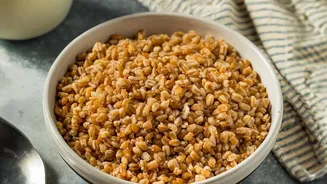
While removing bitterness is the primary goal, rinsing does more than just clean the grains. It also contributes to a better final texture. Rinsing helps the individual grains separate, leading to a fluffier pot of quinoa rather than a clumpy or sticky result. To further enhance the flavour, many cooks recommend toasting the well-drained, rinsed quinoa in a dry saucepan for a few minutes until it becomes fragrant and nutty before adding your cooking liquid. Another popular technique is to cook the quinoa in vegetable or chicken broth instead of plain water. The savory liquid infuses the seeds as they cook, complementing their natural earthiness and masking any subtle bitterness that might remain.