



More Than Just a Fruit Basket
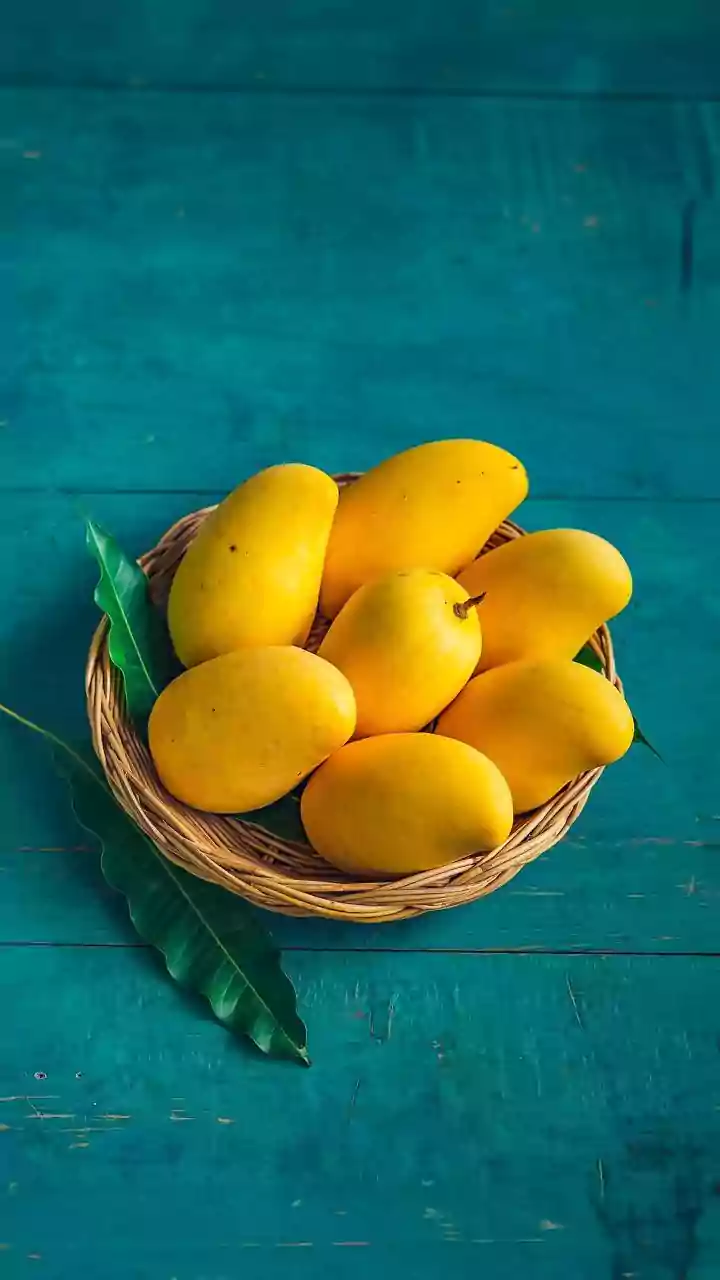
For decades, the Indian summer has been synonymous with a handful of celebrity mangoes. Names like Alphonso, Kesar, and Langra dominate markets and conversations. Yet, India is home to over 1,000 varieties of mangoes, each with a unique story, flavour
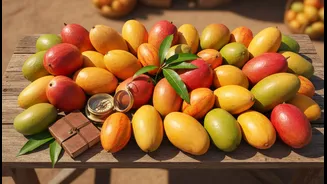
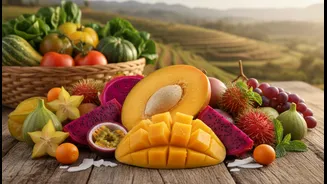
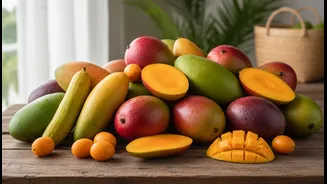
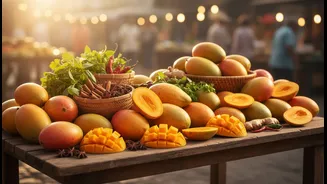
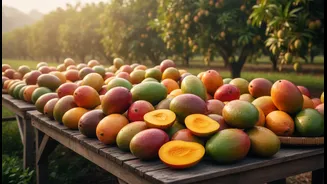
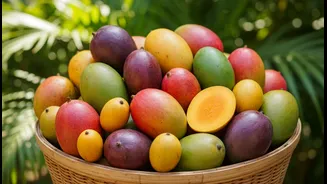
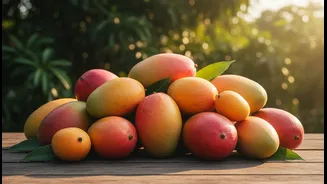
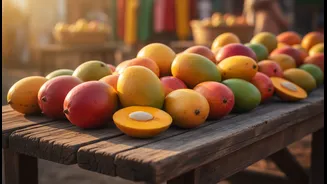
profile, and connection to its native region. Now, a growing circuit of mango festivals, or 'melas', is dedicated to showcasing this incredible diversity. Events like the long-running Delhi Mango Festival, which recently celebrated its 35th edition, are platforms where hundreds of cultivars are displayed. Visitors can find everything from the buttery Makkhan aam to the intriguingly named Hathijhool, moving beyond the supermarket staples to explore a richer palette of tastes and textures.
A Nationwide Celebration
From north to south, these festivals have become a cornerstone of the summer calendar. In early July 2026, the Uttar Pradesh Mango Festival in Lucknow showcased over 800 varieties, drawing farmers from across the state to present their finest produce. Similar events in Bengaluru, such as the Lalbagh Mango Mela, bring together growers from across Karnataka to sell directly to consumers, offering everything from the famous Badami to other regional specialities. In Chennai, the 'Mambazha Mela', supported by NABARD, focuses on connecting Farmer Producer Organizations (FPOs) directly with city dwellers, ensuring fair prices for organic and GI-tagged varieties like Imam Pasand and Banganapalli. These events are more than just markets; they are vibrant cultural celebrations with tasting sessions, mango-eating competitions, and educational workshops.
Spotlighting the Overlooked
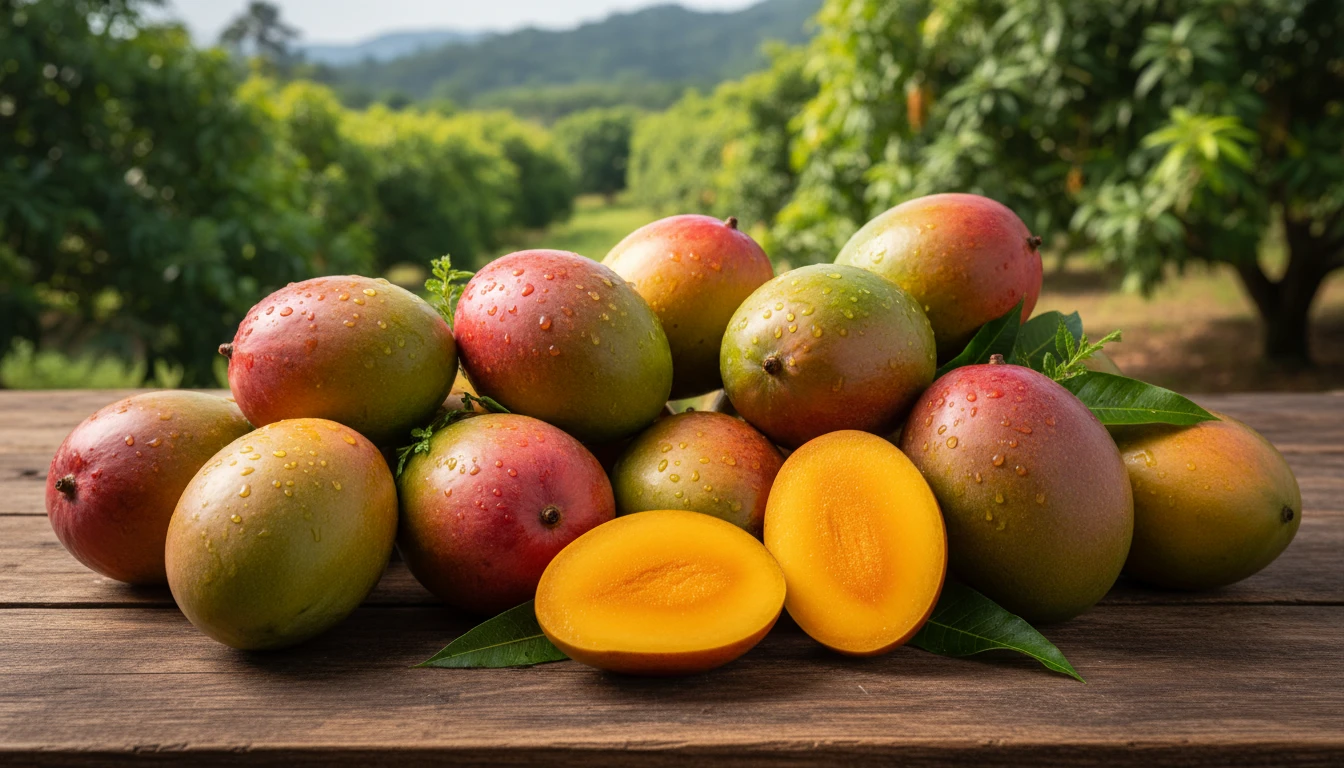
The true stars of these festivals are the cultivars you won't easily find elsewhere. While commercial pressures have led to the widespread cultivation of a few high-yield, long-shelf-life varieties, hundreds of heirloom mangoes have been at risk of being forgotten. Festivals give a platform to gems like Gulab Khaas from Bihar, noted for its rosy aroma, or the massive Malgova from Tamil Nadu. Others include the Samar-e-Behisht, or 'Fruit of Heaven,' from the orchards of Lucknow, and the Fazli from West Bengal, whose large size makes it ideal for pickles and chutneys. By creating consumer interest in these unique mangoes, festivals encourage farmers to continue cultivating them, playing a crucial role in preserving India's agricultural biodiversity.
A Lifeline for Farmers
Beyond the celebration, these festivals provide a vital economic boost to farmers. By eliminating intermediaries, growers can sell their produce directly to urban consumers, securing better prices and a larger share of the profits. This direct interaction also provides invaluable feedback, helping them understand market preferences. Government bodies and agricultural boards often organize these melas with the explicit aim of enhancing farmer incomes and promoting agricultural exports. The Uttar Pradesh Mango Festival, for instance, focuses on giving the state's mangoes global recognition, with officials noting that produce is now exported to over 30 countries. These platforms empower small and marginal farmers, allowing them to market their unique produce and build a brand for their regional specialities.