






An Unprecedented Downpour
The numbers from early July are staggering. Between June 1 and July 7, Mumbai recorded nearly 1,240 millimetres of rainfall, the highest for this period in 27 years. In just the first week of July, the city's primary weather observatories at Santacruz
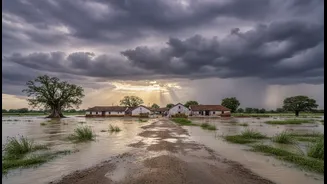
and Colaba both surpassed their average rainfall totals for the entire month. By July 6, Mumbai had already received over 60 percent of its average rainfall for the entire monsoon season, with months still left to go. These figures paint a clear picture: this was not a typical monsoon spell. It was an episode of extreme, concentrated rainfall, with several days classified by the India Meteorological Department (IMD) as having 'extremely heavy' rain. The city received more rain in one week than some major Indian cities receive in an entire year, a statistic that moves the conversation from seasonal flooding to a potential new climate reality.
A City on Pause
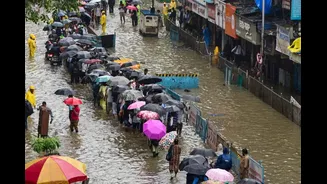
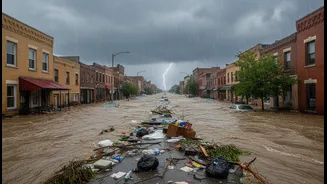
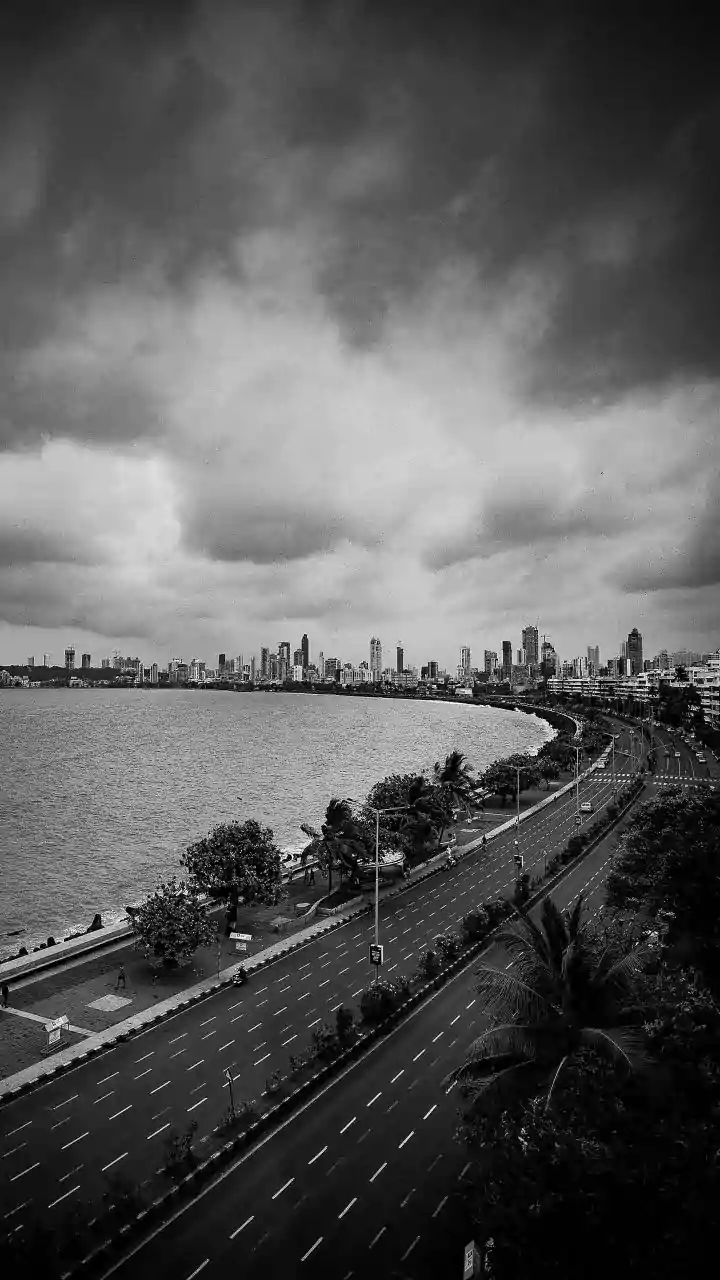
The real-world impact was immediate and disruptive. Intense showers led to widespread waterlogging, turning major roads into temporary rivers and crippling traffic. Suburban train services, the lifeline for millions, were disrupted, and authorities advised residents to stay home, shutting schools and colleges as a precaution. Incidents of falling trees and branches surged, with the Brihanmumbai Municipal Corporation (BMC) reporting over 1,700 such complaints since July 1, more than double the number from the same period in 2025. Tragically, the deluge also led to several fatalities in and around the city. While the IMD eventually downgraded the alerts as the rains subsided around July 10, the week-long episode served as a powerful and costly reminder of Mumbai's vulnerability to its own monsoon.
The Climate Change Signature
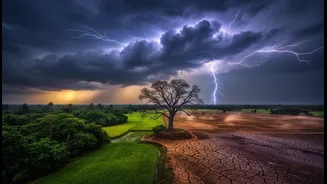
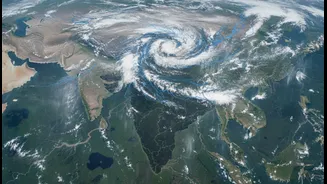
Why is this happening? Experts believe it's a clear signature of a changing climate. The traditional pattern of a steady, drawn-out monsoon is giving way to a more erratic cycle: long dry spells followed by sudden, violent bursts of rain. A warming Arabian Sea holds more moisture, supercharging weather systems when they do form. This year, several factors aligned, with moisture from both the Arabian Sea and the Bay of Bengal feeding an active monsoon trough. What’s particularly noteworthy is that this occurred during an El Niño year, which typically suggests a weaker, delayed monsoon. Instead, it appears climate change is overriding older patterns, creating a new and dangerous unpredictability. The phenomenon is no longer about just more rain, but about how that rain falls—in concentrated deluges that no urban drainage system built for a previous era can handle.
Preparedness Meets Reality
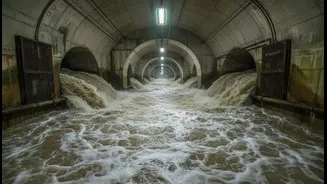
On paper, Mumbai seemed prepared. The BMC announced it had installed 547 dewatering pumps and completed over 100% of its pre-monsoon desilting targets. However, the lived experience of Mumbaikars told a different story. The city still has hundreds of identified flood-prone spots, and crucial deadlines for safety work were missed. A glaring example was the failure to install protective grills over 2,200 manholes by the May 31 deadline, a significant safety hazard during floods. The BMC commissioner later admitted to lapses in 'micro-level monitoring' and announced that preparations for the next monsoon would begin as early as January 2027. This gap between official claims and on-ground reality highlights a critical challenge: administrative systems are struggling to keep pace with the accelerating climate threat.
A Warning for All of Urban India
While Mumbai was the epicentre of this event, the data holds a crucial lesson for every city in India. The trend of extreme rainfall events is not unique to the coastal metropolis; cities like Delhi have also faced severe waterlogging from similar downpours. The core issue is that our cities have been built for an average, predictable climate that may no longer exist. Infrastructure designed to handle steady showers is overwhelmed by cloudburst-like events. Mumbai's experience in July 2026 is a real-time case study in what happens when a 21st-century climate pattern collides with 20th-century urban planning. It forces a tough but essential question for planners in Bengaluru, Chennai, Kolkata, and beyond: are you preparing for the climate of yesterday, or the climate of tomorrow?