


The Pervasive Threat of Altitude Sickness
Altitude sickness, or Acute Mountain Sickness (AMS), is the most common medical issue faced by travellers. It occurs when your body doesn't have time to adjust to the lower oxygen levels at high elevations, typically above 2,500 metres. Symptoms start
with headaches, nausea, and fatigue but can progress to life-threatening conditions like High-Altitude Pulmonary Edema (HAPE) and High-Altitude Cerebral Edema (HACE). The golden rule is gradual acclimatisation. Plan your itinerary with rest days, and follow the principle of “climb high, sleep low,” where you return to a lower elevation to sleep. If symptoms appear, stop ascending immediately. If they worsen, descending is the only effective treatment.
Volatile Weather and Climate Change Impacts
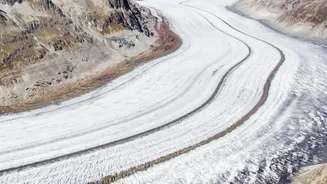
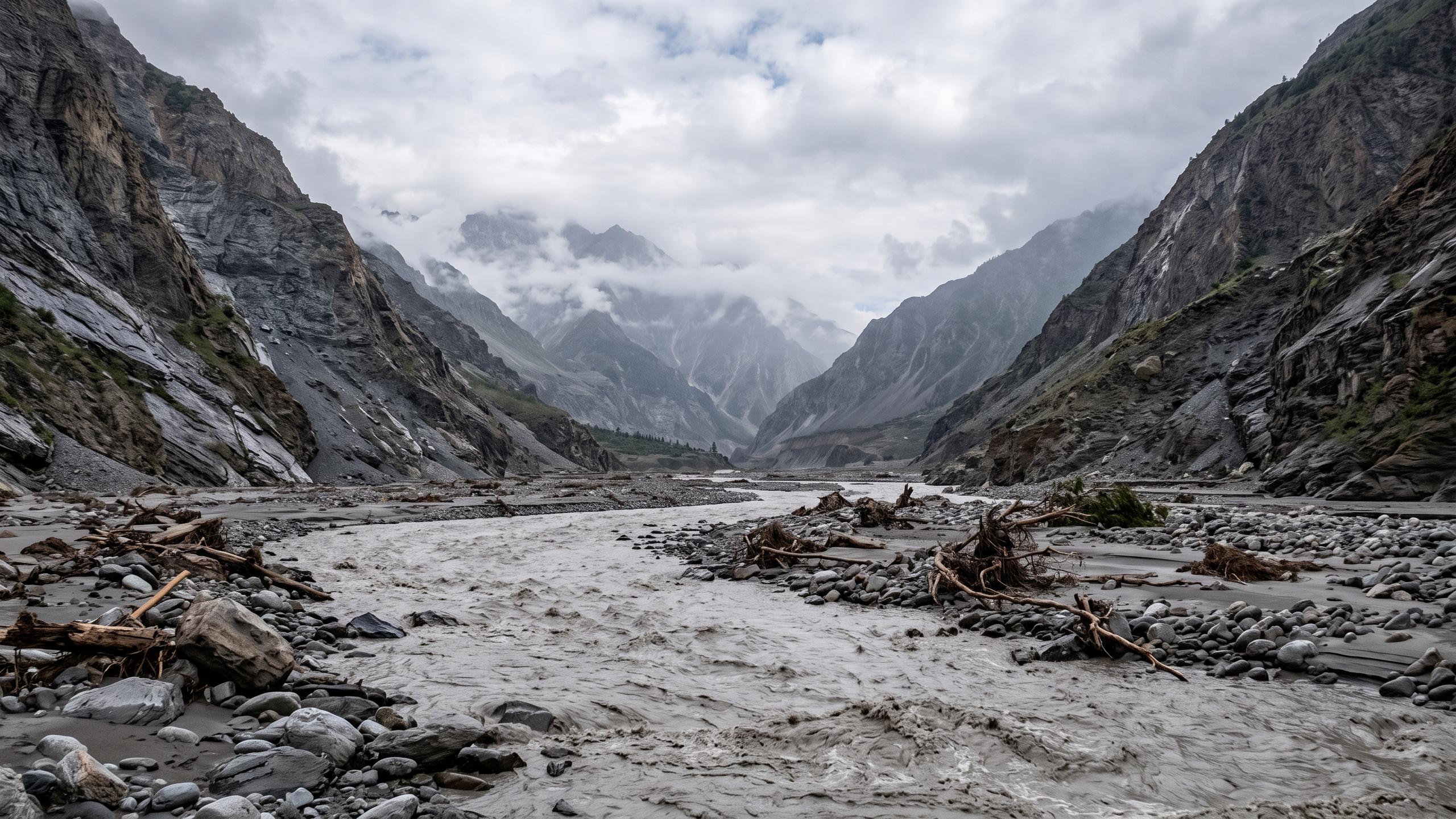
Himalayan weather is notoriously unpredictable. Sunny mornings can turn into blinding snowstorms within hours. Beyond daily shifts, climate change is escalating risks. Melting glaciers and erratic monsoons are increasing the frequency of flash floods, landslides, and Glacial Lake Outburst Floods (GLOFs), which can wipe out trails and infrastructure. Before you go, check long-range forecasts, but always be prepared for the worst. Pack layers for all conditions, and build buffer days into your schedule to accommodate potential weather-related delays. Listen to your guide, who will have the most current local information.
Choosing a Reputable and Safe Operator
Your choice of trekking company is one of the most critical safety decisions you will make. A good operator is your lifeline. When vetting companies, especially in a popular hub like Nepal, verify that they are legally registered with national bodies like the Nepal Tourism Board (NTB) and the Trekking Agencies' Association of Nepal (TAAN). Ask about their safety protocols, guide-to-client ratios, and emergency evacuation plans. A reputable company will have experienced, licensed guides trained in first aid and altitude sickness response. They should also be transparent about pricing and demonstrate ethical treatment of porters.
The Non-Negotiable: Comprehensive Travel Insurance
Standard travel insurance is often not enough for the Himalayas. You need a specialised policy that explicitly covers high-altitude trekking. Your insurance must include emergency medical evacuation, preferably by helicopter. Medical facilities in remote mountain areas are limited or non-existent, and a helicopter evacuation can be the only way to get to a hospital in a serious emergency. The cost of an evacuation can be astronomical without proper coverage. Read the fine print carefully to ensure your policy covers the maximum altitude you plan to reach.
Your Own Physical and Mental Readiness
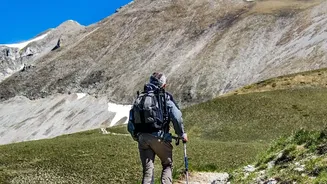
Trekking in the Himalayas is physically demanding. You don't need to be a professional athlete, but a solid level of fitness is essential for both your safety and enjoyment. For at least three months before your trip, focus on cardiovascular exercises like running, cycling, or swimming to build aerobic fitness. Incorporate strength training, especially for your legs and core. Most importantly, simulate the trek by going on long hikes on hilly, uneven terrain, ideally while wearing the boots and backpack you'll use on your trip. This not only builds physical stamina but also prepares you mentally for long days on the trail.
Navigating Remote Terrain and Limited Infrastructure
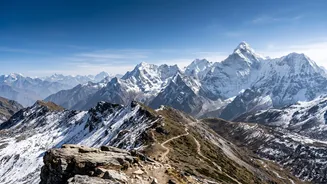
The remoteness that makes the Himalayas so appealing is also a significant risk factor. Trails can be rugged and treacherous, increasing the chance of slips, falls, and injuries. Mobile phone service is often unavailable outside of major villages. Medical clinics, where they exist, are basic. This is why being self-sufficient and prepared is vital. Carry a well-stocked personal first-aid kit, understand basic wound care, and consider carrying a satellite communication device for emergencies. Never trek alone, especially if it's your first time in the region. A local guide provides not only navigation but also a crucial safety link.