


Tucked away in titanium tubes on the surface of Mars are rock samples that could rewrite our understanding of the solar system. But the audacious plan to retrieve them, a joint effort by NASA and ESA, has hit major turbulence.
The Priceless Cargo on Mars
Since its landing in February
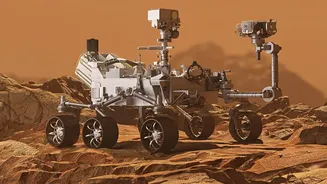
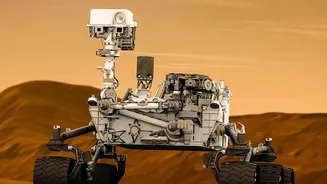
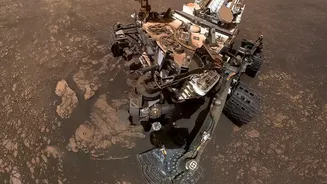
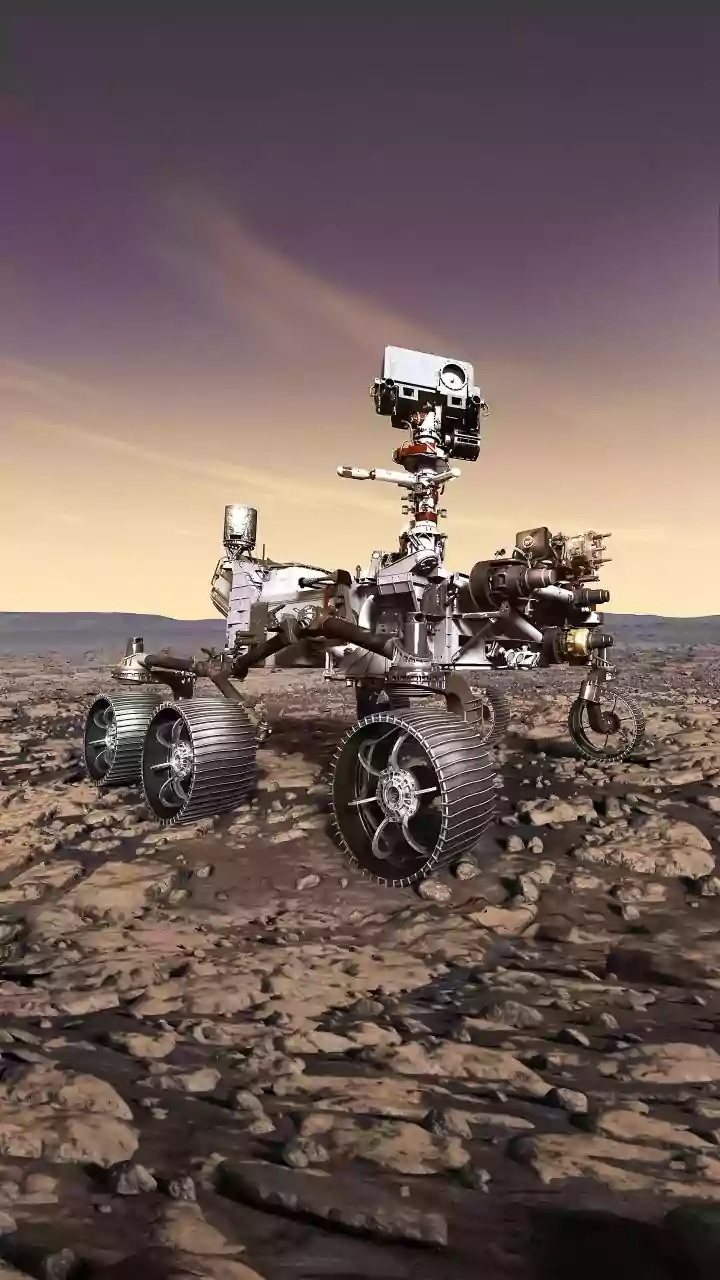
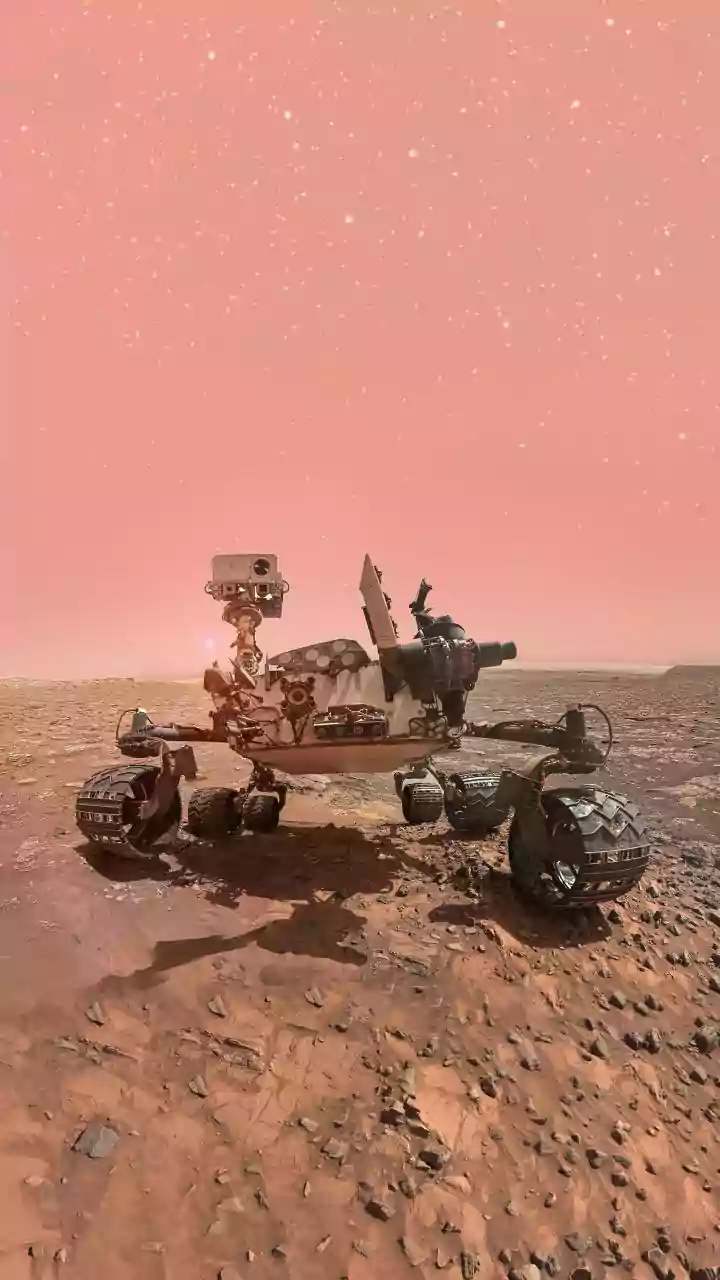
2021, NASA's Perseverance rover has been diligently working in Jezero Crater, an ancient lakebed thought to be a prime location for finding signs of past microbial life. The rover has collected dozens of rock, soil, and atmospheric samples, sealing them in pristine tubes. Scientists believe these samples are the key to answering fundamental questions: Did life ever exist on Mars? How did its climate change so drastically? And what can its history tell us about the formation of rocky planets like our own? While the rover has impressive onboard instruments, the most definitive science can only be done in advanced laboratories back on Earth. For decades, bringing these samples home has been a top priority for the planetary science community.
An Audacious, Multi-Part Heist
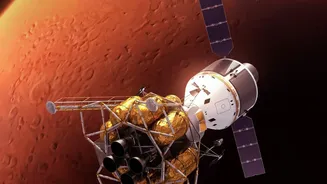
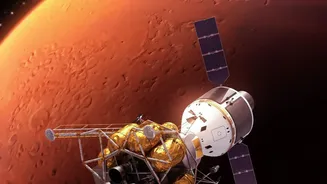
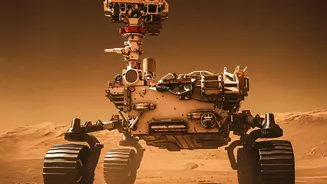
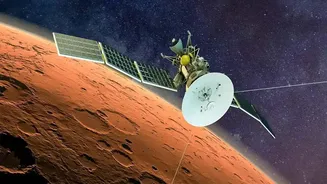
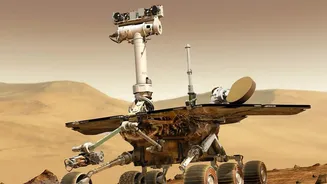
The original Mars Sample Return (MSR) plan was a marvel of complexity, a multi-stage relay race across millions of miles of space. It involved several missions working in perfect concert. First, a Sample Retrieval Lander would touch down near Perseverance. Then, a small fetch rover provided by the European Space Agency (ESA) would gather the sample tubes left by Perseverance. These samples would be loaded into a Mars Ascent Vehicle (MAV), essentially a small rocket, which would then launch from the Martian surface—a first in history. Finally, an ESA-built Earth Return Orbiter would rendezvous with the orbiting sample container, capture it, and fly it back to Earth for a secure landing. It was, and remains, one of the most complex robotic campaigns ever attempted.
When Grand Plans Meet Reality
The mission's ambition was matched only by its soaring cost and logistical challenges. An independent review board in 2023 delivered a sobering assessment: the original plan had an 'unrealistic budget and schedule expectations from the beginning'. The projected cost had ballooned to as much as $11 billion, with a return date slipping into the 2040s. NASA itself deemed this timeline 'unacceptable'. These findings, coupled with US congressional budget cuts in early 2026, effectively halted the original MSR program in its tracks, with ESA's director of exploration stating the mission was 'not planned to be continued' in its current form. The European agency began evaluating how to repurpose the technology it had been developing for the now-defunct plan.
A Strategic Reset for NASA
Cancellation did not mean abandonment. The scientific imperative to retrieve the samples remains as strong as ever. In response to the crisis, NASA announced a major reset. In late 2026, the agency detailed a new initiative called the Perseverance Sample Retrieval Architecture (PSRA). This effort, set to kick off in January 2027, tasks a new team with developing fresh, impartial recommendations for getting the samples home. The goal is to create a faster, leaner, and more affordable mission architecture by reviewing past lessons and evaluating new capabilities. The final report from the PSRA team is expected in the winter of 2027-2028, which will chart the new path forward.
A New Space Race?
Adding a sense of urgency to NASA's replanning is the progress of other nations. China is moving forward with its own ambitious Mars sample return mission, Tianwen-3. Current schedules show China aiming for a 2028 launch and a sample return to Earth as early as 2031—potentially years before any redesigned NASA mission could get off the ground. This has been described by some as a potential 'Sputnik moment', adding geopolitical pressure to NASA's scientific and technical challenges. While the scientific goals are paramount, the prospect of being second to bring back Martian soil has undoubtedly lit a fire under US planners.