







An Intensifying Monsoon Forecast
After a somewhat subdued start to the season, the southwest monsoon is making its presence felt along India's west coast. For Coastal Karnataka, this translates to a forecast of fairly widespread to widespread rainfall throughout the coming week, lasting
until at least early July. The IMD predicts that isolated heavy rainfall is likely across the coastal districts, with the possibility of very heavy spells developing from July 1st onwards. This renewed activity marks a significant shift, as the monsoon, which had been lagging, is now strengthening. Districts including Dakshina Kannada, Udupi, and Uttara Kannada are all on alert for the impending downpour. Recent data has already shown significant rainfall in the region, with places like Honnavar in Uttara Kannada recording substantial measurements.
What is the 'Sea Buildup'?
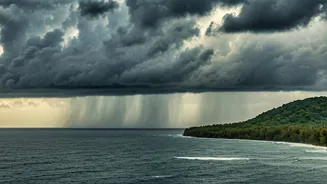
The headline's mention of a "massive sea buildup" refers not to a single event, but a combination of atmospheric factors over the Arabian Sea that are driving this wet spell. A key element is an upper-air cyclonic circulation located over the east-central Arabian Sea, off the Maharashtra coast. Think of this as a large, spinning system in the atmosphere that helps pull moisture from the sea towards the land. Additionally, various troughs—extended areas of low pressure—are active in the region, including one running from North Interior Karnataka down to the Comorin area. These systems work together to create a powerful conveyor belt for moisture-laden winds, which then release their payload as heavy rain upon reaching the coast and the Western Ghats. This phenomenon is compounded by strong surface winds, with gusts expected to reach 30-40 kmph, making the sea rough and hazardous.
Areas on High Alert
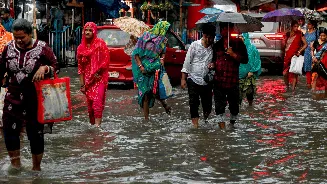
The entire coastal belt of Karnataka is expected to be impacted. The IMD has issued specific advisories for Coastal Karnataka, which includes the districts of Dakshina Kannada (home to Mangaluru), Udupi, and Uttara Kannada. These regions are not only bracing for heavy rain but also for associated weather events like thunderstorms and strong, gusty winds. An advisory specifically warns fishermen against venturing into the sea due to squally weather and rough conditions along the Karnataka coast and the adjoining Arabian Sea. The annual monsoon ban on mechanised fishing is already in effect, but even traditional fishermen are urged to exercise extreme caution. Residents in low-lying areas should also be vigilant for potential waterlogging and localized flooding.
Safety During the Downpour
With a prolonged period of rain and strong winds on the horizon, taking precautions is crucial. The primary advice from authorities is to stay informed by monitoring the latest weather updates from the IMD. Avoid travelling during heavy downpours if possible, and be particularly cautious of waterlogged roads and areas prone to flooding. Before the heavy rains intensify, it is wise to check that your home is secure. Ensure that drains are not clogged to prevent localized water accumulation. Have an emergency kit ready with essentials like a flashlight, first-aid supplies, and important documents. For those living near the coast, it is vital to heed all warnings regarding sea conditions and avoid beaches and coastal promenades during periods of high winds and waves. Power outages can be common during such weather, so keeping mobile phones and power banks charged is a practical step.
The Broader Monsoon Picture
This intensification comes after a period where the monsoon's progress was slower than normal across much of the country. While parts of Karnataka experienced a rainfall deficit in early June, the current conditions are favorable for the monsoon to advance and become more active. This surge along the west coast is a classic feature of the monsoon cycle, driven by the geography of the Western Ghats, which forces moist sea winds to rise and cool, resulting in heavy orographic rainfall. The current systems in the Arabian Sea are providing the necessary strength for this process to occur intensely over the next week. Therefore, the upcoming rainy spell is a much-needed, if potentially disruptive, phase of the annual monsoon season that is critical for the state's agriculture and water reservoirs.