


Start With the Pot Itself
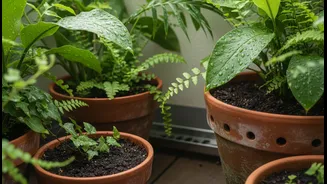
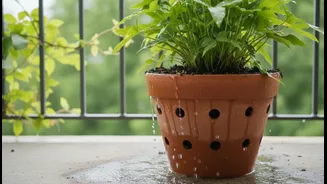
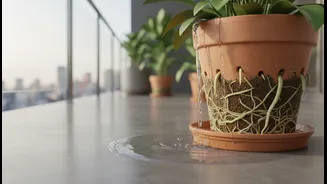
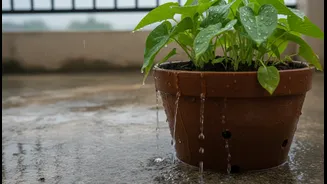
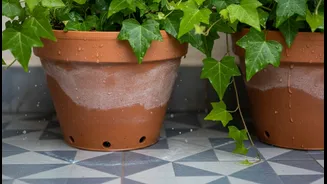
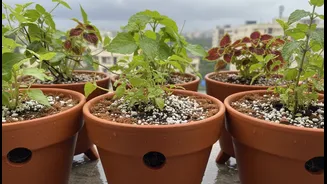
The first line of defence against waterlogging is the container. Ensure every pot has at least one, if not several, drainage holes. If you're using decorative planters without holes, you can use the 'double potting' method: keep your plant in a simple
plastic pot with holes and place it inside the decorative one. This allows you to easily lift the plant out and discard excess water that collects in the outer pot. Terracotta or clay pots are also excellent choices for the rainy season, as their porous nature allows soil to breathe and dry out faster than plastic pots. Before filling a pot, you can place a piece of a broken pot or a small piece of mesh over the drainage hole to prevent it from getting clogged with soil.
Create a Lighter, Well-Draining Soil
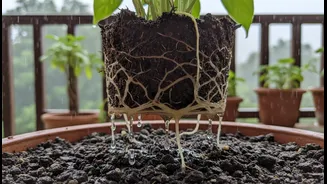
Heavy, dense soil is a major culprit in retaining too much water. During the monsoon, you need a potting mix that lets excess moisture pass through quickly. You can easily improve your existing soil by amending it with materials that promote aeration and drainage. Mix in ingredients like coarse river sand, perlite (small white volcanic glass balls), or coco coir. A good general-purpose recipe is to combine two parts potting soil with one part compost and one part aeration material like perlite or sand. This creates a lighter, fluffier medium where roots can get the air they need to survive, even during persistent downpours.
Elevate Your Pots Off the Floor
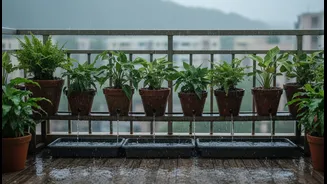
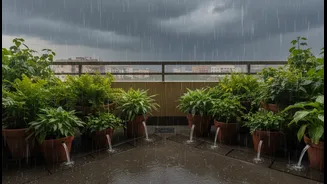
One of the simplest yet most effective upgrades is to lift your pots off the ground. When a pot sits directly on the balcony floor, its drainage hole can easily become blocked or sealed by surface tension, preventing water from escaping. This creates a pool of stagnant water at the base, suffocating the roots. Use pot feet, bricks, wooden blocks, or broken tiles to raise your containers by even just an inch. This small gap creates enough space for air to circulate underneath and for water to drain away freely, which is crucial for preventing root rot during extended rainy spells.
Manage Your Balcony's Floor Drainage
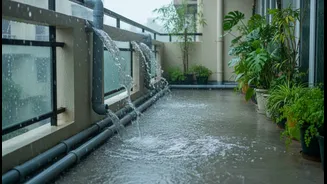
A well-draining pot is only half the battle if the water has nowhere to go. Before the rains arrive, take the time to inspect and thoroughly clean your balcony's main drain outlet. Remove any leaves, dirt, or debris that could cause a blockage. If your balcony is prone to widespread waterlogging, consider installing interlocking deck tiles. These slightly raise the entire floor surface, allowing water to flow underneath to the drain and keeping your pots from sitting in a puddle. For balconies without adequate slope, these tiles can be a game-changer, ensuring the entire space remains usable and safe.
Use Mulch and Arrange Plants Strategically
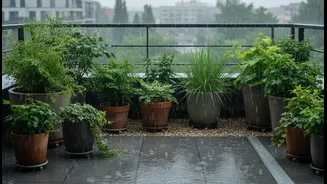
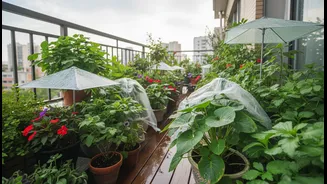
Mulching isn't just for dry weather. A thin layer of organic mulch like wood chips or rice husks can help prevent the topsoil from becoming compacted by heavy raindrops. However, apply it once the heaviest rains have eased to avoid trapping too much moisture. Also, consider the placement of your plants. Group plants with similar water needs together. Move more delicate species or those that hate wet feet to sheltered spots closer to the wall or under an overhang to protect them from the full force of the downpour. Rotating your pots every few days can also ensure they get balanced exposure to light and rain.