



From Staple to Superstar
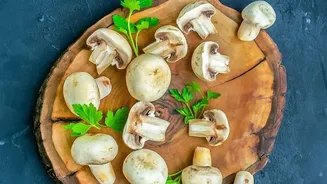
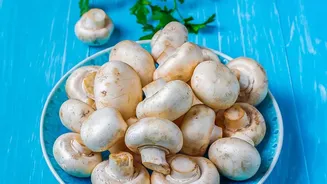
For decades, the mushroom's role in the mainstream Indian diet was predictable and comforting. Most often, it was the common button mushroom, swimming in a familiar matar masala gravy or making an appearance in a peppery stir-fry. While delicious and dependable,
these dishes rarely challenged the palate. The fungus was a reliable ingredient, but never the main event. Now, that's changing. Walk into a chic café in Delhi, Mumbai, or Bengaluru, and you'll find mushrooms taking centre stage in inventive new forms. This isn't just about adding a new vegetable to the menu; it's a quiet revolution that mirrors the broader evolution of India’s café culture, which has transformed from a quick coffee stop into a vibrant 'third place' for work, connection, and culinary discovery.
The New Fungi on the Menu
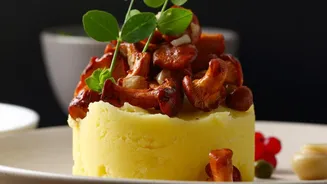
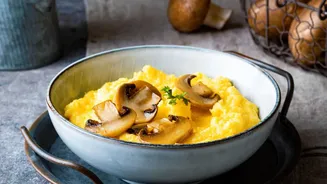
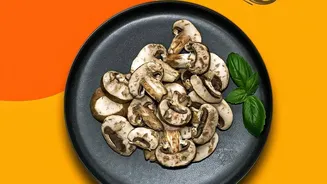
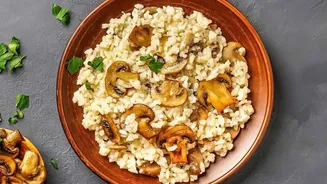
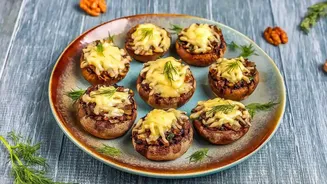
The transformation is most visible on the plate. Gone are the days of a single mushroom option. Cafes are now experimenting with a diverse range of fungi, each bringing a unique texture and flavour. Exotic varieties like the smoky shiitake, nutty porcini, and delicate oyster mushrooms are no longer rare finds. This has unlocked a new world of culinary creativity. The humble mushroom toast, for instance, has been elevated to a gourmet affair, often featuring creamy sauces, garlic, herbs, and a drizzle of truffle oil. Chefs are crafting complex dishes like mushroom pâtés, rich risottos, and flavour-packed stir-fries using a mix of shimeji, enoki, and king oyster mushrooms. Even rare, indigenous varieties like the Himalayan Gucchi (morel) are finding their way into exclusive café menus, offering a taste of luxury. This variety is a direct response to a more curious and well-travelled Indian diner who seeks new experiences.
Chefs as Creative Catalysts
This mushroom renaissance is being led by a new generation of chefs. With greater exposure to global food trends and a desire to innovate, they are looking at local ingredients with fresh eyes. Mushrooms provide a perfect canvas. They are incredibly versatile, capable of absorbing bold Indian spices while also shining in subtle, European-style preparations. Their inherent umami flavour makes them an excellent meat substitute, catering to the growing demand for sophisticated vegetarian and vegan options. Chefs are working with gourmet growers and local startups to source fresh, high-quality produce, moving beyond the familiar button mushroom that once dominated the market. This focus on ingredient quality and experimentation is a hallmark of the new café culture, where the food is as important as the coffee and the ambience.
More Than Just a Meal
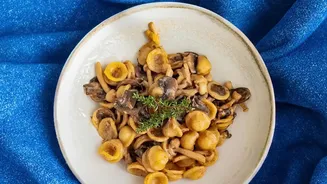
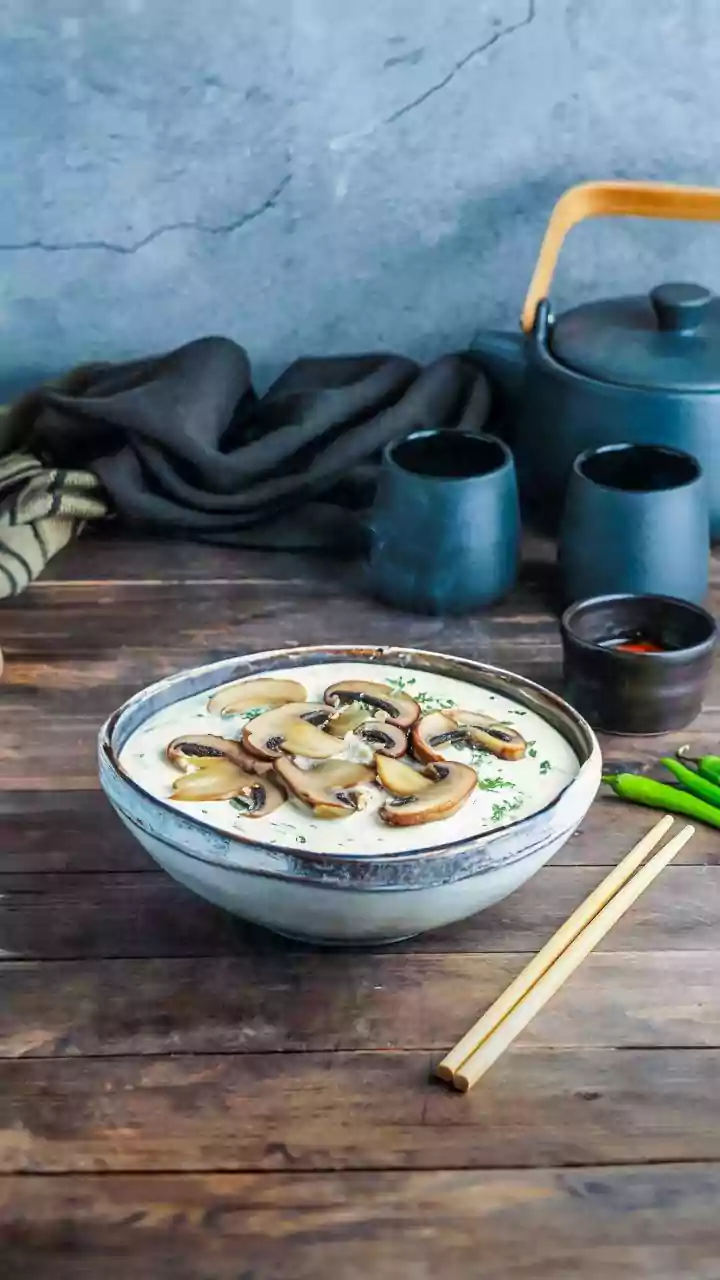
The rise of creative mushroom dishes is intrinsically linked to the changing purpose of the Indian café. As these spaces become hubs for socialising and even remote work, the customer's expectations have evolved. Diners are no longer just looking for sustenance; they are seeking an experience. A unique dish like a Wild Mushroom Chai, where a mushroom consommé is brewed in a kettle, or a perfectly executed Morel Pasta becomes a conversation starter and a memorable part of the outing. These visually appealing and flavourful plates are also highly shareable on social media, further fuelling their popularity among a younger, digitally-savvy demographic. Cafes are responding to an appetite for variation and novelty, with menus that are fluid, exciting, and reflective of a modern, globalised palate.