





A Landmark Directive for Passenger Parity
Until now, the convenience of travel insurance on Indian Railways was a privilege reserved for those who booked their tickets online via the IRCTC portal. Passengers who purchased tickets from station counters—a group that includes millions of people,
especially from economically weaker sections—had no option to secure this coverage. Following a Supreme Court directive issued in October 2026, this disparity is set to end. The court has mandated that with effect from October 27, 2026, all tickets sold over the counter must also be covered by insurance, placing the responsibility for implementation squarely on the Railway Board. This decision came during proceedings related to railway safety, highlighting the need to provide a uniform safety net for every passenger, regardless of how they purchase their ticket.
What the Insurance Scheme Actually Covers
The travel insurance scheme offers substantial financial support in the unfortunate event of a train accident or other 'untoward incidents'. The coverage is uniform across all travel classes and provides a significant safety net for a remarkably low cost. The policy includes coverage of ₹10 lakh in the case of death or permanent total disability. For permanent partial disability, the coverage is up to ₹7.5 lakh. Additionally, the scheme provides for hospitalization expenses for injuries up to ₹2 lakh, and up to ₹10,000 for the transportation of mortal remains. It’s important to note that this hospitalization coverage is in addition to the main compensation for death or disability, offering a crucial buffer for immediate medical costs.
Optional Scheme to Mandatory Provision
While the headline refers to an 'optional' scheme, the recent Supreme Court order has effectively made the provision of this insurance mandatory for the Railways. For online tickets, passengers actively choose to opt-in by paying a nominal fee. The court's directive now compels the Railways to ensure counter tickets are also covered in the same manner. This move transforms the insurance from a simple add-on to an essential safeguard that is part of the ticketing process itself. The aim is to ensure no passenger is left uninsured simply because they used a traditional booking method. The Railway Board is now tasked with creating a seamless mechanism to implement this mandatory provision for millions of offline transactions by the October 27 deadline.
How It Will Work at the Counter
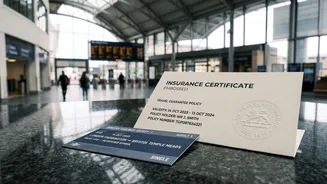
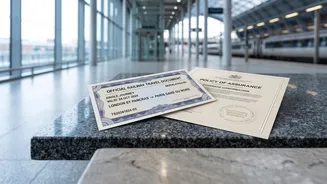
The exact process for issuing policies at physical ticket counters is being finalized by the Railway Board. However, it is expected to be a simple procedure integrated into the ticket-booking workflow. When purchasing a ticket, passengers will likely need to provide a valid mobile number. This contact information is crucial for the delivery of the policy. Once the ticket is booked and the premium paid, the policy details, including the policy number and a link to fill in nominee details, will be sent directly to the passenger via SMS and potentially on their registered email if provided. This mirrors the existing process for online bookings, where policy documents are sent electronically by the insurance companies. Passengers will be able to view their policy number in their ticket's booked history on the IRCTC portal as well.
Cost, Eligibility, and Key Exclusions
For online bookings, the premium for this insurance is incredibly low, costing just 45 paise per passenger. While the final premium for counter-booked tickets is yet to be formally announced, it is expected to be in a similar, highly affordable range. The scheme is available to all Indian citizens who have a confirmed or RAC ticket. It is not available for foreign nationals. A key exclusion to remember is that children below the age of five, who typically travel for free without a designated seat, are not covered under this insurance scheme. However, if a ticket is purchased for a child, they are eligible for the coverage. The premium, once paid, is non-refundable even if the ticket is canceled.