






Moving Beyond the Tourist Trail
For decades, Indian tourism for many has meant the Golden Triangle or a sprint through popular coastal towns. But a significant shift is now redefining the travel landscape. Spearheaded by government initiatives like the Swadesh Darshan and PRASHAD schemes,
the focus is moving from overcrowded hotspots to developing holistic, theme-based circuits. The idea is to create sustainable destinations that offer more than just a photo opportunity. This new approach aims to spread tourism's economic benefits, reduce pressure on major sites, and offer travellers a richer, more connected experience. Instead of a disconnected series of stops, these circuits link sites through a common thread, be it spirituality, history, or ecology.
Journeys Through Heritage and Spirit
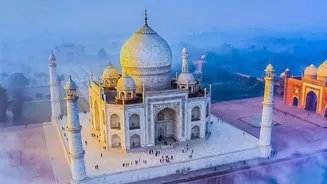
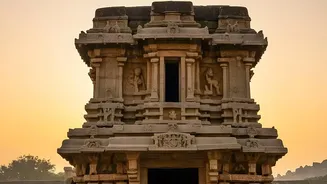
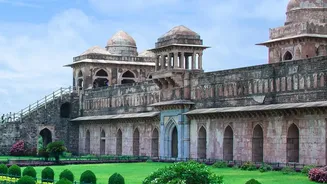
At the heart of this expansion are circuits designed to illuminate India's diverse history and spiritual fabric. The Ministry of Tourism has identified and is developing 15 thematic circuits, including the Buddhist, Ramayana, Heritage, and Spiritual circuits. The PRASHAD (Pilgrimage Rejuvenation and Spiritual, Heritage Augmentation Drive) scheme, for instance, focuses on upgrading infrastructure and amenities at pilgrimage sites across the country, from temples in Andhra Pradesh and Tamil Nadu to sacred locations in the North East. This means better roads, cleaner facilities, and improved access, making spiritual journeys more seamless for devotees and cultural tourists alike. These circuits are not just about religion; they are gateways to understanding the art, architecture, and living traditions that have shaped regional identities for centuries.
Exploring India's Wild Side
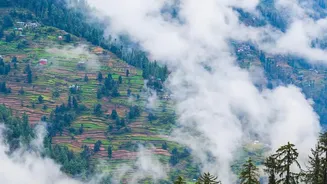
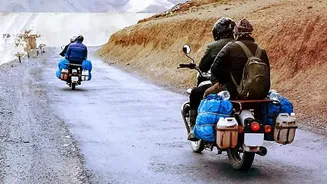
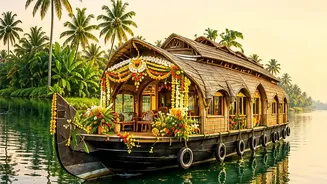
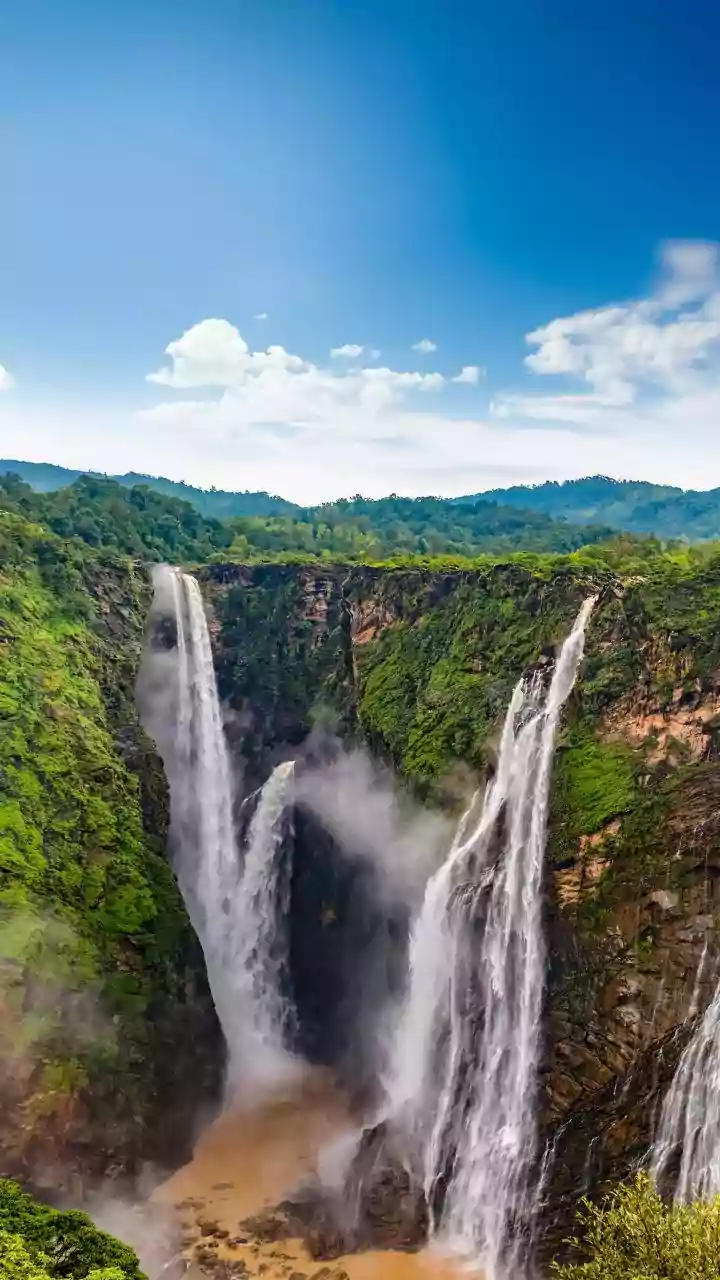
The new tourism map also charts a course deep into India’s natural landscapes. The Eco, Wildlife, and Himalayan circuits are designed to promote responsible travel in ecologically sensitive areas. States like Kerala, Uttarakhand, Mizoram, and Assam are developing eco-tourism destinations that aim to create a positive link between tourists and nature. The goal is to move beyond conventional sightseeing towards conservation-aware travel. This includes developing infrastructure for adventure sports, promoting wildlife sanctuaries in states like Assam and Madhya Pradesh, and ensuring that tourism development is sustainable. This focus on eco-tourism helps protect fragile environments while providing unique experiences like trekking, wildlife spotting, and simply enjoying unspoiled nature.
Connecting with Local Communities
Perhaps the most significant aspect of this expansion is its emphasis on local experiences and community benefit. The development of Rural and Tribal circuits aims to showcase the unique cultures, crafts, and ways of life in India's villages. This model of tourism empowers local communities by creating jobs in hospitality, as guides, and through the sale of traditional arts and crafts. It's a move away from large, impersonal hotels towards more authentic options like homestays, which offer travellers a genuine glimpse into local life. By integrating villages into the tourism ecosystem, these initiatives aim to provide sustainable livelihoods, reduce migration to cities, and preserve cultural heritage that might otherwise be lost. Travellers, in turn, get a more meaningful and memorable experience that goes beyond the surface.