


What Exactly is Home Hydroponics?
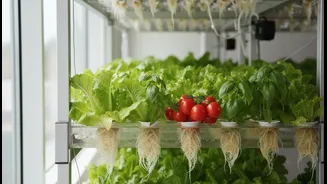
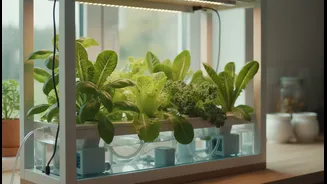
At its core, hydroponics is a method of growing plants without soil. Instead of pulling nutrients from the earth, plant roots are suspended in a water-based solution that is packed with all the essential minerals they need to thrive. This technique can
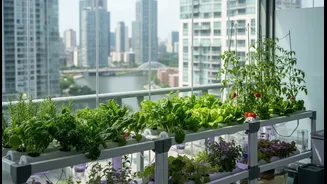
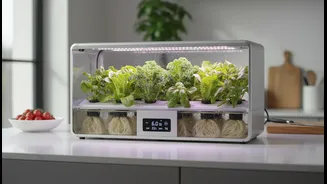
be set up in compact, often vertical systems, making it ideal for urban apartments, balconies, and even kitchen countertops. These setups, ranging from simple DIY kits to sophisticated automated gardens, give city dwellers unprecedented control over their food source, eliminating the mess of soil and the need for a traditional garden plot.
The Astonishing Water-Saving Advantage
The primary environmental appeal of hydroponics lies in its incredible water efficiency. Unlike traditional agriculture, where a significant amount of water is lost to evaporation, runoff, and deep soil seepage, hydroponic systems are typically closed-loop. This means the nutrient-rich water is recirculated and reused, passing through the plant roots multiple times. The result is a dramatic reduction in water consumption. Studies have consistently shown that hydroponics can use up to 90-95% less water than conventional soil-based farming to produce the same yield of crops like leafy greens. For example, one peer-reviewed study found that growing a kilogram of lettuce hydroponically required just 20 litres of water, compared to 250 litres in a conventional field.
Aligning with Millennial Values
This minimal water footprint resonates deeply with Indian millennials and Gen Z, who consistently show high levels of concern for environmental issues. Surveys indicate that a vast majority of young consumers in India actively try to minimise their environmental impact and are more likely to buy from sustainable brands. For a generation grappling with the realities of climate change, water scarcity, and food quality, hydroponics is more than just a gardening hobby; it is a proactive, tangible solution. It offers a sense of control and self-sufficiency, allowing individuals to opt out of a food supply chain that often involves high water usage, long transportation distances, and potential pesticide contamination.
More Than Just Water Conservation
While water saving is the headline benefit, other sustainable advantages make home hydroponics attractive. Because the growing environment is controlled, the need for chemical pesticides and herbicides is virtually eliminated, resulting in cleaner, safer produce. The ability to grow vertically means these systems produce a much higher yield per square foot, a crucial factor in crowded urban areas. This addresses land use, another major driver of environmental strain. Furthermore, growing food at home shortens the supply chain to mere metres, cutting down on transportation emissions and reducing food waste, as produce can be harvested moments before it is eaten.
A Growing Trend in Indian Cities
The hydroponics movement is rapidly gaining momentum across India. What was once a niche commercial technique is now becoming a popular lifestyle choice in cities like Bengaluru, Mumbai, Pune, and Delhi. Startups are offering user-friendly home kits, and online communities are sharing tips and tricks, making the technology more accessible than ever. This trend is driven by a convergence of factors: shrinking apartment sizes, a desire for pesticide-free food, and the powerful appeal of sustainable living. It represents a shift towards a more conscious and resilient way of urban life, where technology empowers individuals to make a positive environmental impact right from their own homes.