





Why is Kolkata often called the 'London of India'? The nickname is more than just a casual comparison; it's a window into a complex past, reflecting deep architectural, cultural, and administrative ties forged when it was the British Empire's capital.
The Empire's Second City
For nearly 140 years, from 1772 until 1911, Kolkata—then known as Calcutta—served as the capital of British India. This status made it the most important city in the British Empire after London itself. As the administrative and commercial nerve centre, the city was meticulously developed to project imperial power and prestige. The British East India Company and later the Crown invested heavily in creating an urban landscape that mirrored the grandeur of their own capital. This involved constructing imposing government offices, courts, and public spaces designed not just for function, but to display the permanence and authority of the Raj. The city quickly became the epicentre of politics, law, and trade for a vast territory, solidifying its reputation as a global hub.
An Architectural Echo Across Continents
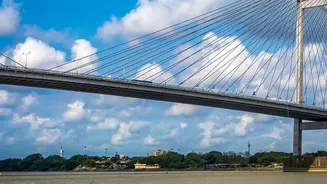
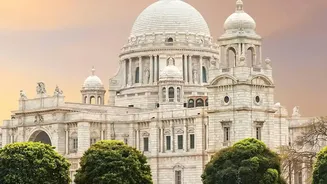
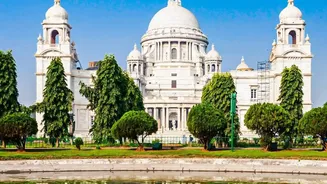
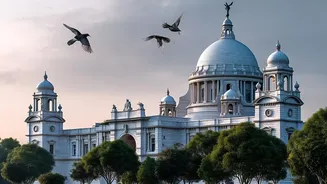
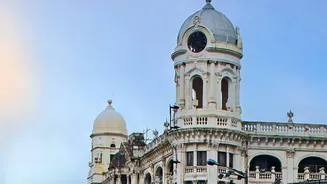
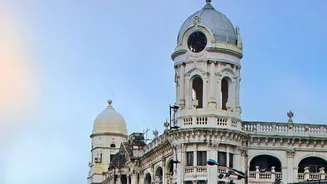
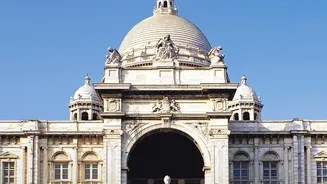
The most visible reason for the nickname is Kolkata's stunning collection of colonial-era buildings, which earned it the title 'City of Palaces'. British architects employed a mix of European styles, including Neoclassical, Gothic Revival, and Victorian designs, to shape the city's skyline. The magnificent Victoria Memorial, a sprawling white marble monument built to honour Queen Victoria, blends British and Mughal elements and remains the city's most iconic landmark. Other structures like the Gothic-inspired St. Paul's Cathedral, the grand General Post Office, and the formidable Writers' Building—once the administrative headquarters—are all direct architectural descendants of European design philosophies. Even the Howrah Bridge, an engineering marvel, speaks to the British engineering prowess of the era. This deliberate replication of London's architectural language made the comparison between the two cities inevitable.
A River Runs Through It
The geographical placement of both London and Kolkata also offers a compelling parallel. London's growth and identity are inextricably linked to the River Thames, which has served as its commercial lifeline for centuries. Similarly, Kolkata's development was anchored to the Hooghly River, a major distributary of the Ganges. The river was a crucial artery for trade, allowing ships from around the world to access what became the premier port in the region. The British established Fort William along its banks in the late 17th century, laying the foundation for the city's commercial dominance. The riverfronts of both cities, with their bustling ghats, promenades, and historic buildings, share a visual and functional resemblance that further strengthens the connection.
The Intellectual and Cultural Crucible
Beyond bricks and mortar, Kolkata's identity as the 'London of India' was cemented by its role as an intellectual and cultural powerhouse, often called the 'Cultural Capital of India'. The British established universities, courts, and newspapers, which inadvertently created a fertile ground for a new educated Indian middle class, the 'bhadralok'. This led to the Bengal Renaissance, a period of profound social, cultural, and artistic awakening. The city became a hub for literature, theatre, art, and philosophical debate, much like London was for Europe. This unique fusion of Western education and Indian intellectual tradition created a dynamic environment that was instrumental in shaping modern Indian thought and even the early nationalist movements.