


The Gentle Magic of Porous Clay
The secret to earthenware's culinary prowess lies in its composition. Made from natural clay, these pots are porous. This isn't a flaw; it's their greatest feature. When heated, the pot allows moisture and heat to circulate slowly and evenly through the food.
Unlike metal pans that heat up quickly and create hot spots, a clay pot cooks with a gentle, consistent heat. This slow diffusion of heat is fundamental to both of its main benefits: reducing the need for oil and deepening the character of the ingredients inside.
Cutting Down on Oil, Naturally
For the health-conscious household, the ability to cook with less oil is a significant advantage. Earthenware makes this easy. The slow-cooking process and excellent moisture retention mean that food bastes in its own juices. The steam generated inside the pot keeps ingredients tender and succulent without the need for excessive amounts of ghee or oil to prevent sticking or dryness. As the food cooks, its natural fats are rendered out and suffice for the cooking process. This means you can prepare a flavourful chicken curry or a rich dal using a fraction of the fat you might use in a steel or aluminium vessel, letting the main ingredients shine without being weighed down.
An Unmatched Depth of Flavour
Anyone who has eaten a dish cooked in a clay pot will attest to its unique taste. This isn't just nostalgia; it's science. The alkaline nature of clay interacts with the acidic elements in food, neutralizing the pH balance. This simple chemical reaction helps bring out the natural sweetness in ingredients like tomatoes and onions, resulting in a more complex and well-rounded flavour profile. Furthermore, the porous walls trap steam and aroma, ensuring that the essence of the spices and herbs remains locked within the dish. The pot itself imparts a subtle, pleasant earthiness that adds another layer of complexity, something impossible to replicate in metal cookware. This method preserves nutrients that are often destroyed by high heat, meaning your food is not only tastier but also more nutritious.
Choosing Your Earthenware Companion
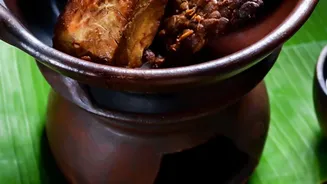
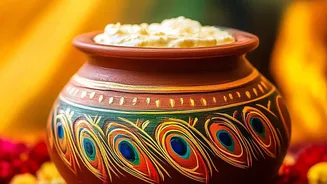
Across India, different regions have their own beloved versions of earthenware. The North Indian 'haandi' is a wide-mouthed, round-bottomed pot perfect for slow-cooking biryanis and rich curries like nihari. In the South, you'll find the 'chatti', especially in Kerala, where it's the traditional vessel for preparing fiery fish curries. Its unique shape is said to enhance the taste of tamarind and coconut-based gravies. Then there is the ubiquitous 'matka', often used for storing water but also for cooking dishes that require long, slow simmering. When buying a pot, look for unglazed, unpainted versions to ensure you get all the natural benefits without any risk of chemicals leaching into your food.
Essential Tips for Care and Use
An earthenware pot needs a little care before its first use. This process, known as seasoning, involves immersing the pot and its lid in water for several hours, or even overnight. This strengthens the pot and prevents it from cracking. When cooking, always start on a low flame and increase the heat gradually. Sudden changes in temperature are the enemy of clay cookware and can cause it to crack. When it comes to cleaning, avoid using harsh detergents or soaps, as the porous clay can absorb them and impart a soapy taste to your next meal. Instead, scrub the pot with a stiff brush and hot water. With the right care, a good clay pot can be a cherished part of your kitchen for years.