

The Magic Behind the 'Rule of Odds'
In the world of interior design, the 'rule of three' (or five, or seven) is a guideline professionals swear by. It suggests that items arranged in odd numbers are more appealing and dynamic to the human eye than items in even-numbered groups. The reasoning
is rooted in how our brains perceive visual information. When we see an even number of objects, like two matching vases, our brain quickly pairs them, resolves the symmetry, and moves on. The arrangement can feel static or overly formal. An odd number, however, creates a subtle and pleasing imbalance. The brain can't easily split the group, forcing the eye to move around the arrangement, which creates visual interest and energy.
Creating Visual Triangles
At its core, grouping in odd numbers is about creating a triangle. With a group of three, your eye is naturally drawn to the object in the middle, which acts as a focal point, while the other two provide balance. This triangular shape guides the eye through the display, making it feel more composed and intentional. This doesn't mean the items must be physically arranged in a perfect triangle, but rather that their focal points create that shape. This visual movement is what transforms a simple shelf into a curated display. Even-numbered groups, by contrast, tend to form squares or lines that the brain processes instantly, stopping the eye's journey.
How to Style Your Bookshelves Using Odd Numbers
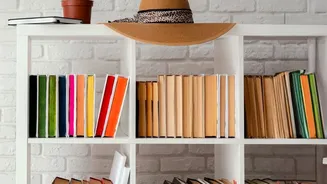
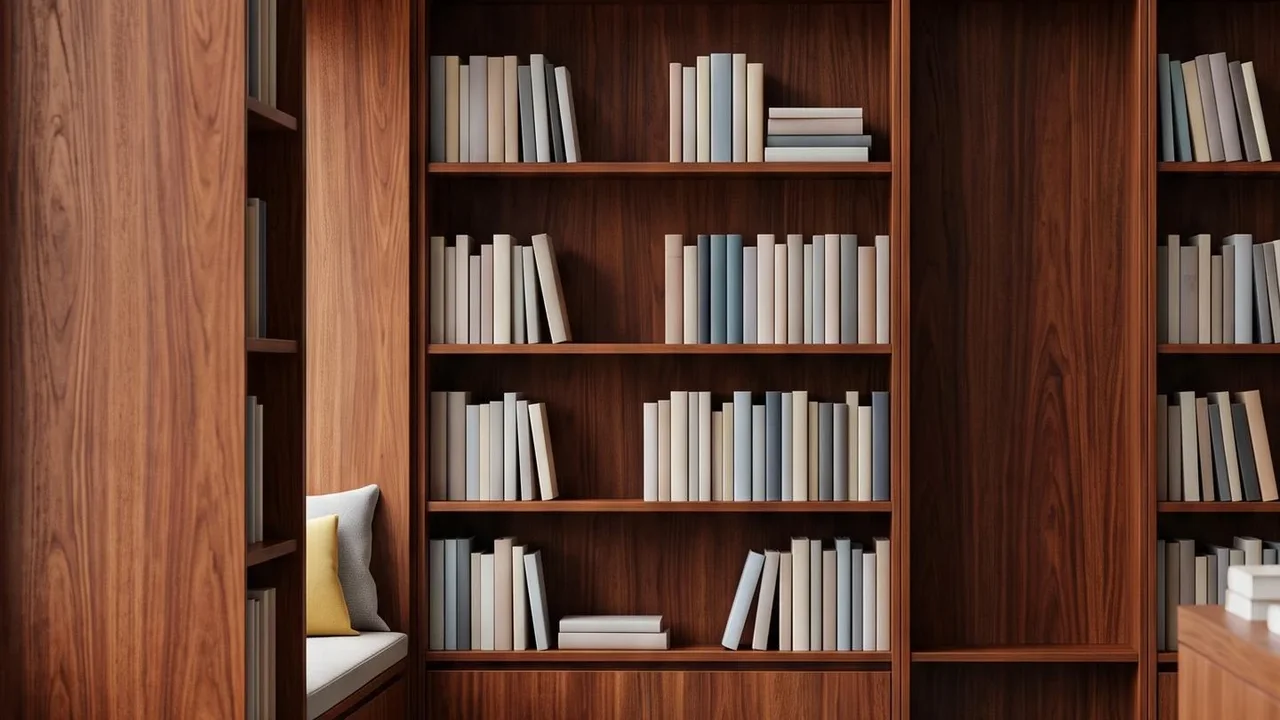
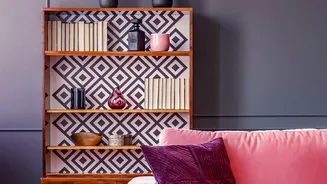
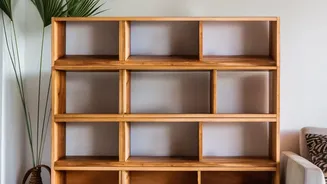
Putting this theory into practice is simpler than it sounds. Start by clearing your shelves completely. Then, begin creating small vignettes or clusters in groups of three or five. A good rule of thumb is the 60/30/10 split: 60% books, 30% decorative objects, and 10% empty space. That negative space is crucial; it gives your arrangements room to breathe and prevents the shelf from looking like a storage unit. For a single shelf, you might place a stack of three to five horizontal books, a vertical vase, and a small, framed photo. This single grouping of three becomes an intentional focal point.
Vary Height, Scale, and Texture
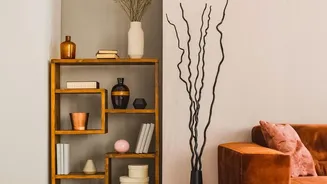
The rule of odds is most effective when the grouped items have variety. A trio of objects that are all the same height and shape won't have the same dynamic effect. When building your groupings, think about varying height, scale, and texture. For example, pair a tall, slender vase with a medium-sized, horizontal stack of books and a small, sculptural object. Mix materials like ceramic, wood, glass, or metal to add depth and tactile interest. This contrast is what brings the vignette to life, preventing it from feeling flat or one-dimensional. The goal is intentional asymmetry, which feels more natural and collected than perfect symmetry.
Beyond the Books
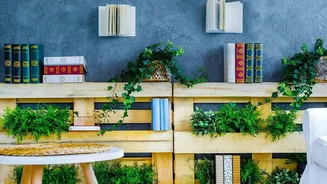
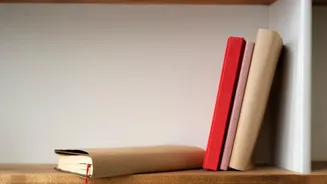
While books are the foundation, think of them as part of the decor. Mix vertical rows with horizontal stacks. A horizontal stack can act as a pedestal for a smaller decorative piece, instantly giving it more importance. Don't be afraid to incorporate personal items that tell a story: small plants for a touch of life, interesting bookends, travel souvenirs, or framed art leaned against the back of the shelf. Remember to balance visual weight across the entire bookcase. If you have a heavy-looking group of items on the left side of a shelf, balance it with something on the right side of the shelf below, creating a zig-zag flow for the eye to follow.