



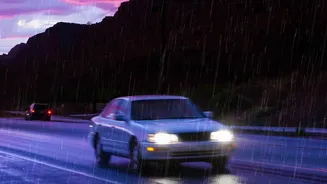

Prepare Your Vehicle Before the First Downpour
The single best way to ensure monsoon safety is to prepare your car before the heavy rains begin. Start with the essentials that are most affected by wet conditions. Your tyres are your only connection to the road, and their ability to grip is crucial
on slippery surfaces. Ensure your tyres have adequate tread depth; a minimum of 2-3 mm is advisable to channel water away effectively. Worn tyres are a major cause of skidding. Equally important are your brakes. Wet roads increase your stopping distance, so your braking system must be in top shape. If you feel any juddering or notice a delay, get them inspected immediately. Finally, check your windshield wipers. Wiper blades often harden and crack during the intense summer heat, leaving streaks that impair vision. Replace them if they are not clearing the glass perfectly.
Maximise Visibility: See and Be Seen
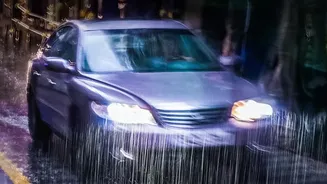
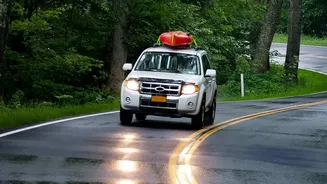
In a downpour, visibility can drop to just a few car lengths, making it critical for you to see the road and for other drivers to see you. Always turn on your low-beam headlights when it's raining, even during the day. This makes your vehicle far more visible to others. Avoid using high beams, as they can reflect off the raindrops and create glare, blinding oncoming drivers. Inside the car, condensation can quickly fog up your windows due to the high humidity. Use your air conditioner or defogger to keep the windshield and windows clear for an unobstructed view. Keeping a small towel handy to wipe interior glass can also be useful. If visibility becomes dangerously low, the safest action is to pull over to a secure spot, away from traffic, and wait for the rain to subside.
Understanding and Avoiding Hydroplaning
Hydroplaning is one of the most frightening experiences on a wet road. It happens when a layer of water builds up between your tyres and the road surface, causing your car to lose traction and 'float' uncontrollably. At this point, steering and braking become ineffective. Hydroplaning can occur at speeds as low as 55 km/h, especially within the first ten minutes of a downpour when oil and dirt on the road mix with water to create a slick film. To avoid it, reduce your speed significantly. Avoid sudden acceleration, braking, or sharp turns. If you feel the steering become light and unresponsive, do not panic and do not slam on the brakes. Instead, gently ease your foot off the accelerator and keep the steering wheel straight until your tyres regain their grip on the road.
Navigating Waterlogged Streets
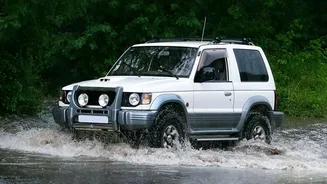
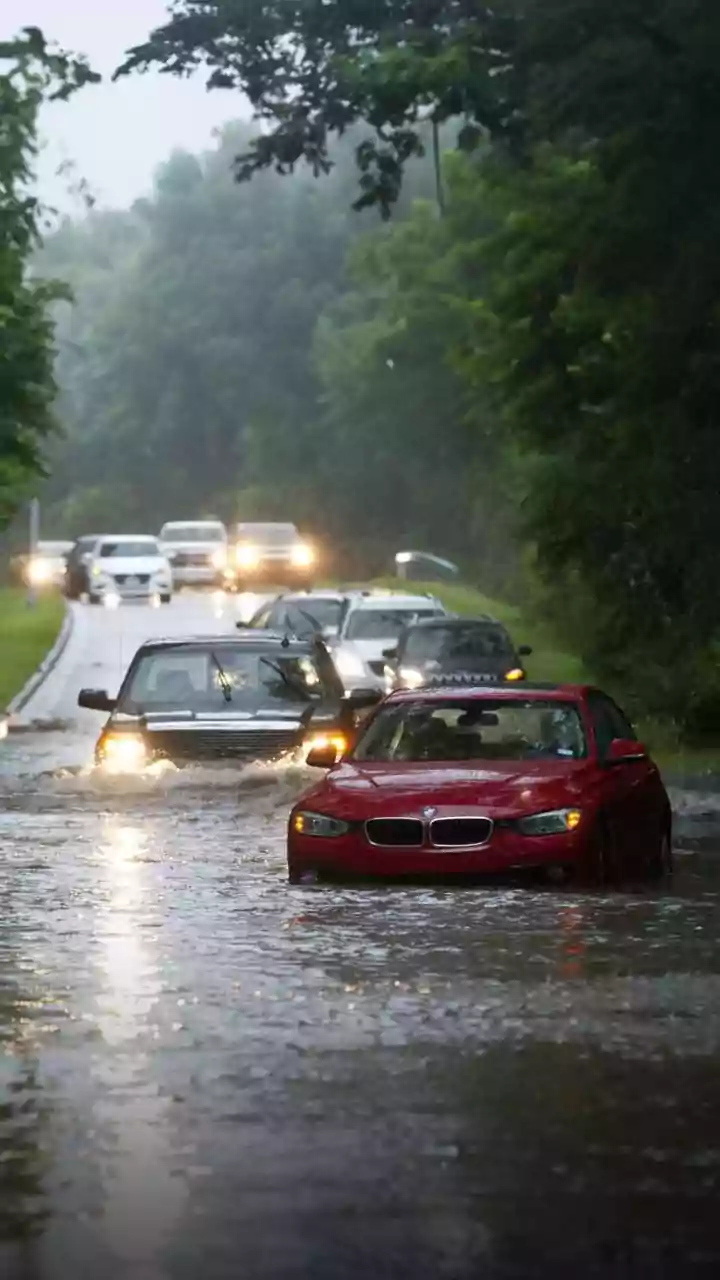
Waterlogged roads are a common and dangerous monsoon hazard in India. It is impossible to judge the depth of standing water or see hidden potholes and debris beneath the surface. Driving through deep water can cause immense damage. Just six inches of water can be enough to reach the bottom of most passenger cars, potentially stalling the engine. A foot of water can cause many cars to float, resulting in a complete loss of control. The best advice is simple: turn around and find an alternate route. If you must proceed, do so only if the water level is below the centre of your wheels. Drive slowly and steadily in a low gear to prevent your engine from stalling. After passing through water, gently tap your brakes a few times to dry them out and ensure they are working correctly.
Adopt Defensive Driving Techniques
Defensive driving is key to monsoon safety. The most important rule is to slow down and increase the distance between you and the vehicle in front. Double your usual following distance to at least five to six seconds. This gives you more time to react and brake safely on slick surfaces. Be especially considerate to two-wheelers and pedestrians, who are more vulnerable and harder to spot in the rain. Avoid using cruise control, as you need to be in complete control of your vehicle's speed at all times. Try to drive in the tyre tracks of the vehicle ahead of you, where the road is momentarily clearer of water. Smooth and gentle inputs for steering, braking, and accelerating will help you maintain traction and control.