




What Exactly Is Sleep Debt?
Think of sleep debt as the running total of lost sleep. If your body needs eight hours of sleep but you only get six, you accumulate two hours of debt. Over a work week, this can add up to 10 hours or more. This isn't just about feeling tired; accumulating
sleep debt leads to poor cognitive performance, mood swings, and a weakened immune system. Unlike a financial loan, you can't simply “repay” this debt hour for hour. While you might feel better after a long lie-in, research suggests that crucial functions like memory, focus, and metabolic health don't fully recover so easily.
The Problem with Weekend 'Catch-Up' Sleep
Sleeping in on Saturday and Sunday can feel restorative, and some recent research suggests a moderate lie-in of about an hour and a half might offer some cardiovascular benefits. However, most experts agree that consistency is key. When you drastically shift your sleep schedule on weekends, you create a phenomenon known as “social jet lag.” This disrupts your body's internal 24-hour clock, or circadian rhythm, which regulates your sleep-wake cycle. This rollercoaster schedule can leave you feeling groggy and out of sync when your alarm goes off on Monday morning. Studies have shown that even when weekend sleep helps reduce immediate sleepiness, the negative effects of sleep restriction during the week on metabolic health can persist.
The Blue Light Complication
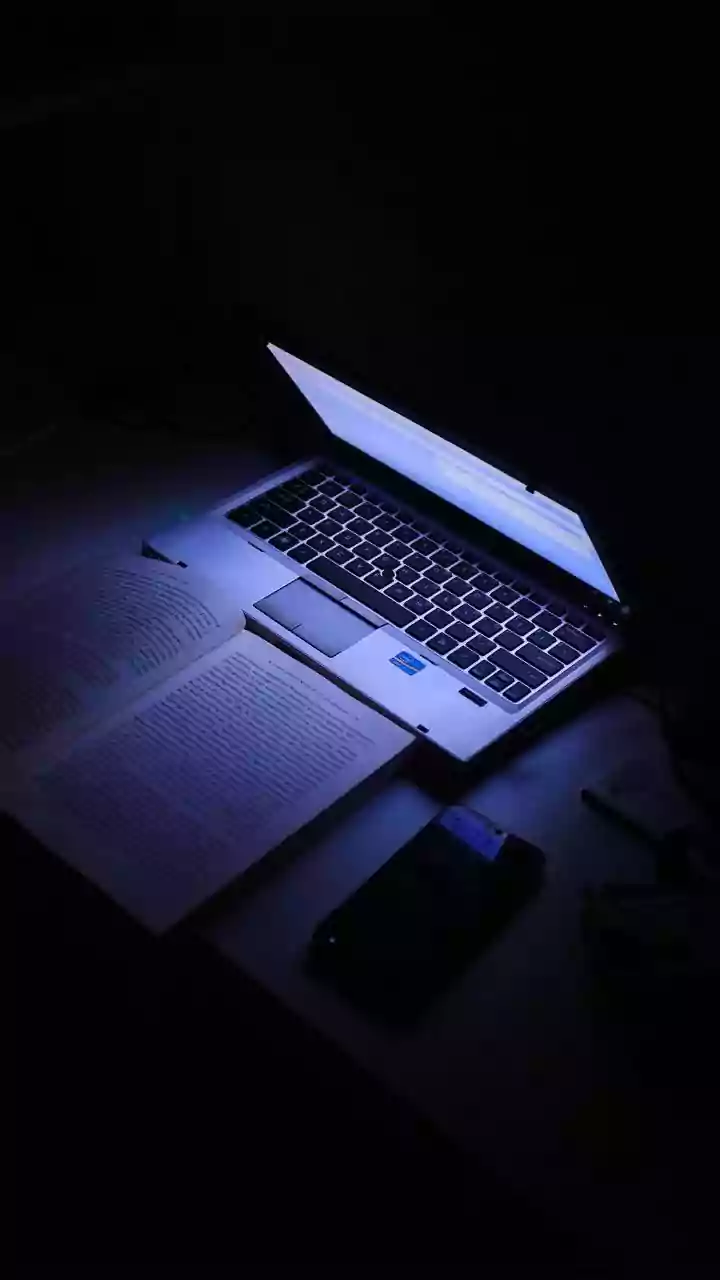
The headline specifically mentions late-night screen usage, and for good reason. The blue light emitted from smartphones, tablets, and computers is a major sleep disruptor. This specific wavelength of light is particularly effective at suppressing the production of melatonin, the hormone that signals to your body that it's time to wind down and sleep. Exposing your eyes to blue light in the hours before bed essentially tricks your brain into thinking it's still daytime, making it harder to fall asleep. One study found that using a light-emitting e-reader before bed reduced melatonin secretion by over 50% compared to a printed book. So, even if you go to bed, the quality of your rest is compromised, deepening your sleep debt.
It's Not Just the Light, It's the Activity
Beyond the hormonal effects of blue light, what you do on your screens also matters. Engaging in stimulating activities like scrolling through social media, playing games, or answering work emails keeps your brain in an alert and active state. This cognitive arousal makes it much harder to relax and transition into sleep, even if you're using a blue-light filter or night mode. A 2025 study found that for every hour of screen time after going to bed, the risk of insomnia symptoms increased significantly, and participants slept less overall. The combination of melatonin suppression and mental stimulation is a powerful one-two punch against restorative sleep.
A Better Path to Rest and Recovery
Instead of relying on weekend binge-sleeping, the most effective strategy is to aim for consistency. Try to go to bed and wake up at roughly the same time every day, even on weekends. If you've had a particularly short night, a brief 20-minute power nap during the day can help reduce fatigue without messing up your nightly schedule. Creating a relaxing wind-down routine is also crucial. Turn off all electronic devices at least an hour before you plan to sleep. Instead, opt for calming activities like reading a physical book, gentle stretching, or listening to quiet music in dim light. The goal isn't to perfectly pay back every lost minute, but to prevent the debt from accumulating in the first place by prioritizing consistent, high-quality sleep throughout the week.