


Mathura Ke Pede
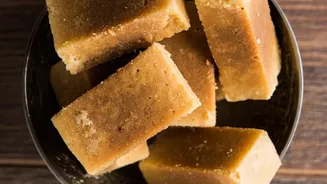
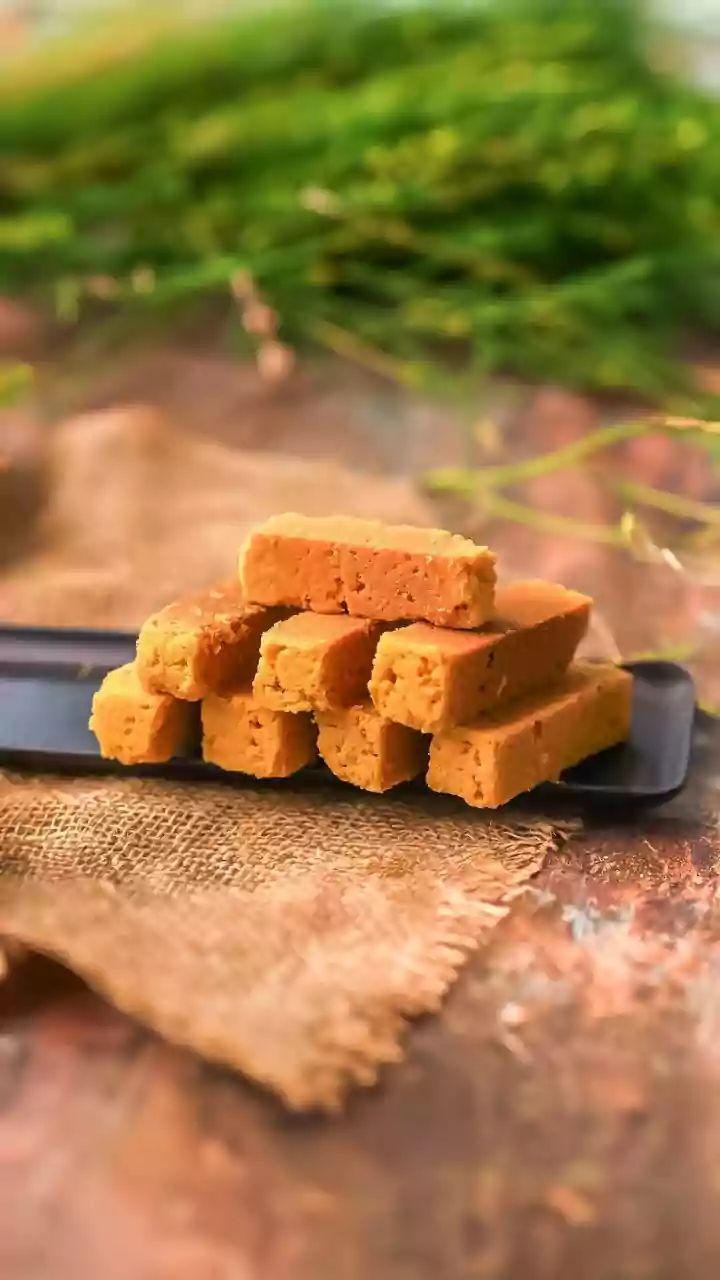
No Janmashtami bhog is complete without the mention of Peda, and Mathura Ke Pede holds a special significance as it originates from Lord Krishna's birthplace. This rich sweet is made by cooking khoya (milk solids) with sugar until it caramelises, giving
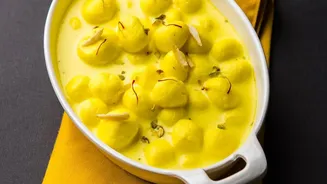
it a distinctive brownish colour and a granular, melt-in-your-mouth texture. Flavoured with cardamom, these pedas are a timeless offering. The process involves slowly roasting mawa or milk powder with ghee until it turns golden brown, then cooling it and mixing it with powdered sugar. The mixture is then shaped into small, rustic rounds, making for a truly devotional and delicious prasad.
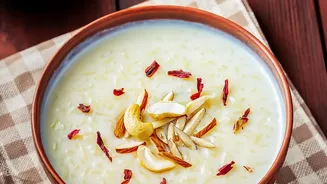
Makhana Kheer
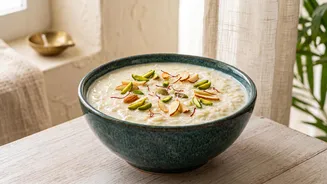
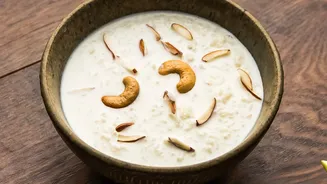
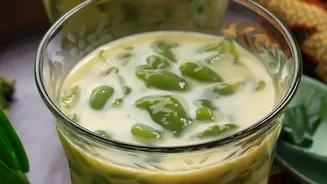
A light yet creamy dessert, Makhana Kheer is an ideal choice for festival offerings and for those observing a fast. Makhana, or fox nuts, are puffed lotus seeds that are roasted in ghee until crisp. These are then simmered in milk, which is often thickened with a paste of almonds or a portion of ground makhana itself. As the kheer cooks, the makhana softens slightly but retains a delightful chewiness. Scented with saffron and cardamom and sweetened to taste, this pudding is both nutritious and divine. It can be served warm or chilled and garnished with nuts like pistachios and almonds.
Shrikhand
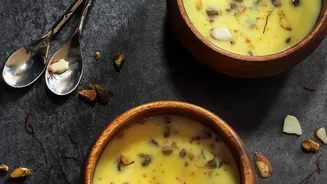
A luscious and creamy dessert from Maharashtra and Gujarat, Shrikhand is made from hung curd (strained yogurt). Its preparation involves hanging fresh curd in a muslin cloth for several hours to drain all the whey, resulting in a thick, cheese-like substance called 'chakka'. This thick yogurt is then whisked with powdered sugar until it becomes smooth and silky. For a festive touch, it is often infused with saffron, cardamom powder, and sometimes rose water. Garnished with slivered pistachios and almonds, Shrikhand is a refreshing, no-cook sweet that serves as a rich and cooling offering for Lord Krishna.
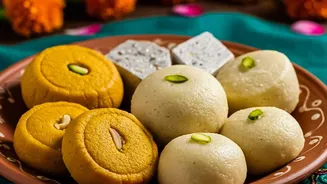
Kalakand
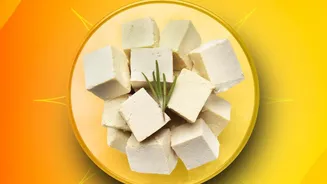
Kalakand is a popular Indian milk cake known for its moist, grainy texture. Traditionally, it is made by curdling milk and then simmering it with sugar for a long time. However, a quicker method involves using paneer (Indian cottage cheese) and condensed milk. The paneer is crumbled and cooked with condensed milk until the mixture thickens and starts leaving the sides of the pan. Flavoured with cardamom powder, this mixture is then set in a tray and garnished with chopped nuts like pistachios and almonds. The resulting sweet is soft, crumbly, and incredibly delicious, making it a wonderful addition to the Janmashtami feast.
Mishti Doi
A classic Bengali sweet, Mishti Doi translates to 'sweet yogurt'. Unlike regular yogurt, it has a distinct caramel flavour and a delicate pinkish-brown hue. It is prepared by boiling full-fat milk to reduce and thicken it. Separately, sugar is caramelised and then carefully mixed into the warm milk, which gives the dessert its signature colour and taste. Once this sweetened milk cools to a lukewarm temperature, a yogurt culture is added, and the mixture is left to set in a warm place, often in traditional earthen pots which help absorb excess water. The result is a thick, creamy, and mildly sweet yogurt that is an absolute delight.