



More Than Just Monkey Bars
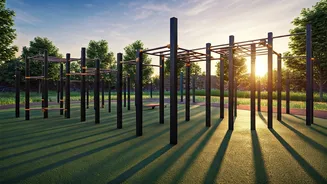
Walk past a park in Delhi, Mumbai, or Bengaluru, and you might see something new. Amidst the joggers and walkers, you’ll find groups of people defying gravity on a network of bars. They’re performing pull-ups, muscle-ups, and human flags—feats of strength
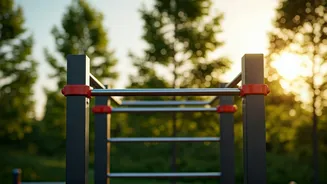
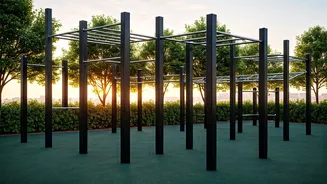
that define calisthenics. This isn't your childhood playground. These purpose-built outdoor gyms, equipped with pull-up bars of varying heights, parallel bars, and dip stations, are the epicentres of a fitness revolution. Calisthenics, derived from Greek words meaning ‘beauty’ and ‘strength’, is the art of using your own bodyweight as resistance to build muscle and improve fitness. It’s a return to the fundamentals of movement, focusing on functional strength that translates directly into real-world capability.
The Free-to-Use Fitness Revolution
One of the biggest drivers of this surge is accessibility. In a country where premium gym memberships can cost thousands of rupees a month, calisthenics parks offer a powerful alternative: they are completely free. This democratic approach to fitness has resonated deeply, particularly with students and young professionals. The post-pandemic world has also accelerated this trend. After months of being confined indoors, many people are seeking ways to be active outside. Outdoor parks provide fresh air and ample space, appealing to those still wary of enclosed, crowded gyms. Municipal bodies and local communities have taken notice, and a growing number of public parks are now being retrofitted with dedicated calisthenics equipment, turning green spaces into vibrant hubs of health and wellness.
A Community Forged in Steel
What truly sets the calisthenics movement apart is its powerful sense of community. Unlike the often isolating experience of working out with headphones in a commercial gym, these parks foster a collaborative and supportive environment. Newcomers are welcomed, not intimidated. You’ll see experienced athletes cheering on beginners struggling with their first pull-up and sharing tips on form and technique. Informal groups, often called ‘bar tribes’ or ‘crews’, form organically. They meet at the same time every day, motivating each other and celebrating collective progress. This camaraderie turns a simple workout into a social event, creating bonds that extend beyond the bars and building a fitness culture rooted in mutual encouragement.
Fuelled by the Social Media Feed
The visual and aspirational nature of calisthenics makes it perfect for the age of social media. A quick search for #CalisthenicsIndia on Instagram reveals a flood of videos showcasing incredible feats of strength and agility. Indian ‘fitfluencers’ have amassed huge followings by documenting their progress, sharing workout tutorials, and inspiring thousands to start their own journey. Watching someone execute a flawless muscle-up or hold a planche is incredibly motivating. This digital word-of-mouth has been instrumental in demystifying the discipline and showing that with dedication, these seemingly superhuman skills are attainable. The ability to film your own progress and share it with a supportive online community adds another layer of motivation, turning personal fitness goals into a shared, celebrated experience.
An Urban Movement Taking Root
This isn’t a trend confined to one or two metros. In Delhi, parks like Lodhi Garden and the 'Bar-Warriors' hub in Rohini have become famous. In Mumbai, the scene is alive along Carter Road and Shivaji Park. Bengaluru’s Cubbon Park and local neighbourhood parks in places like HSR Layout are buzzing with activity. From Pune to Kolkata, these outdoor gyms are becoming a standard feature of the urban environment. The movement represents a fundamental shift in how city dwellers view public space—not just as a place for passive recreation, but as a dynamic arena for self-improvement, community building, and physical expression. It's a grassroots movement reshaping both our bodies and our cities.