



A Health-Conscious Krishna Bhog
The celebration of Lord Krishna's birth is synonymous with an abundance of milk-based sweets and rich preparations offered as 'bhog' or 'prasad'. Yet, a significant shift is underway, driven by a younger generation that is more health-conscious than ever
before. This growing awareness has led to a pushback against the heavy use of refined white sugar and ghee that characterises many traditional recipes. The desire is no longer just for indulgence, but for mindful indulgence—sweets that are both delicious and nourishing. This has sparked a culinary movement where home cooks, food bloggers, and small-scale entrepreneurs are re-examining age-old recipes through a modern, health-focused lens, ensuring festive joy doesn't compromise personal wellness.
The Rise of Youth-Led Food Innovation
While the headline mentions 'youth collectives', the trend is more of a widespread cultural movement than a series of formal groups. It's happening in home kitchens and on social media platforms, where young chefs and food enthusiasts are connecting, experimenting, and sharing their modernised creations. This new generation of cooks is rediscovering their culinary heritage, but with a twist. They are armed with a deep respect for tradition, but also a willingness to innovate. This involves incorporating global techniques and a keen understanding of nutrition to reinvent classic dishes, proving that tradition and modernity can coexist beautifully on the same plate. These young creators are essentially becoming custodians of their culture, ensuring it evolves and remains relevant.
Smart Swaps for Guilt-Free Sweets
The core of this modernisation lies in ingredient substitution. Refined sugar is the first to go, replaced by a host of natural sweeteners that offer complex flavours and nutritional benefits. Premium Medjool dates, figs, dark organic jaggery, and raw forest honey are now in the spotlight, providing sweetness along with fibre and minerals. For those needing diabetic-friendly options, plant-based sweeteners like stevia and monk fruit are seamlessly integrated into recipes for kheer and shrikhand. Flours are also getting an upgrade. Refined flour (maida) is being swapped for whole wheat (atta), millet flours like ragi, and even quinoa, adding a nutrient-rich punch to classics like laddoos and panjiri. Fats are reconsidered too, with an emphasis on moderate use of high-quality ghee or healthier cold-pressed oils.
New Techniques, Familiar Flavours
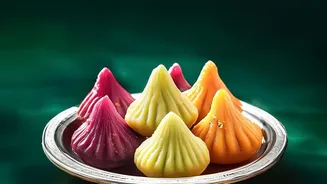
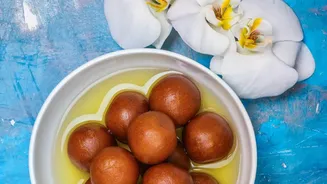
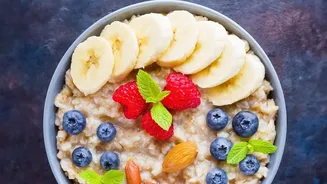
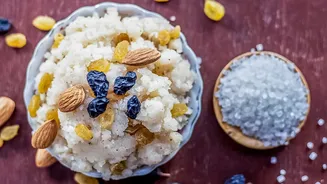
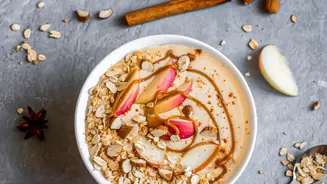
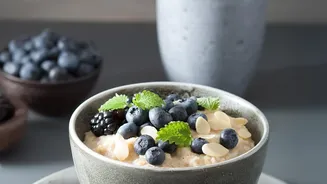
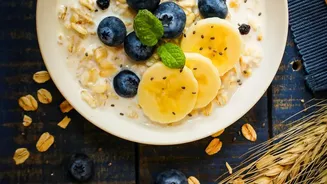
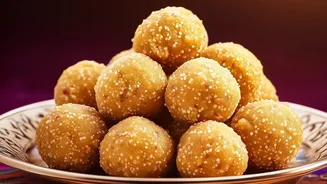
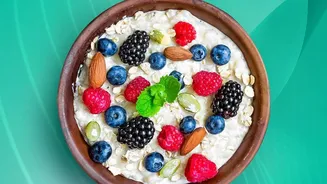
Beyond ingredients, cooking techniques are also being updated. Baking is increasingly replacing deep-frying, resulting in lighter versions of treats like gujiyas and samosas. For example, a modern Janmashtami platter might feature Baked Whole Wheat Gujiyas, Low-Sugar Coconut Laddoos sweetened with jaggery, or Dates and Nuts Energy Bites that require no cooking at all. Even the quintessential kheer is being reimagined with makhana (fox nuts) or oats instead of white rice to increase fibre. The presentation is also more contemporary, with an emphasis on vibrant colours and stylish plating that looks great on social media, further fuelling the trend's popularity among younger audiences. The goal, according to chefs, is not to compromise on flavour but to enhance the overall experience.
Evolution, Not Erasure
This culinary evolution raises a valid question: does modernising these sacred offerings dilute tradition? Most innovators argue that it's about reimagining, not replacing. The essence of Janmashtami bhog—the act of preparing food with devotion and sharing it with the community—remains unchanged. What's evolving is the form, adapting to the health values and tastes of the current generation. By making festive foods more inclusive for those with dietary restrictions and health goals, this movement ensures that these cherished traditions can be passed down. It is a delicate balance, preserving the soul of Indian food while exploring fresh, mindful dimensions that resonate with today's world.