

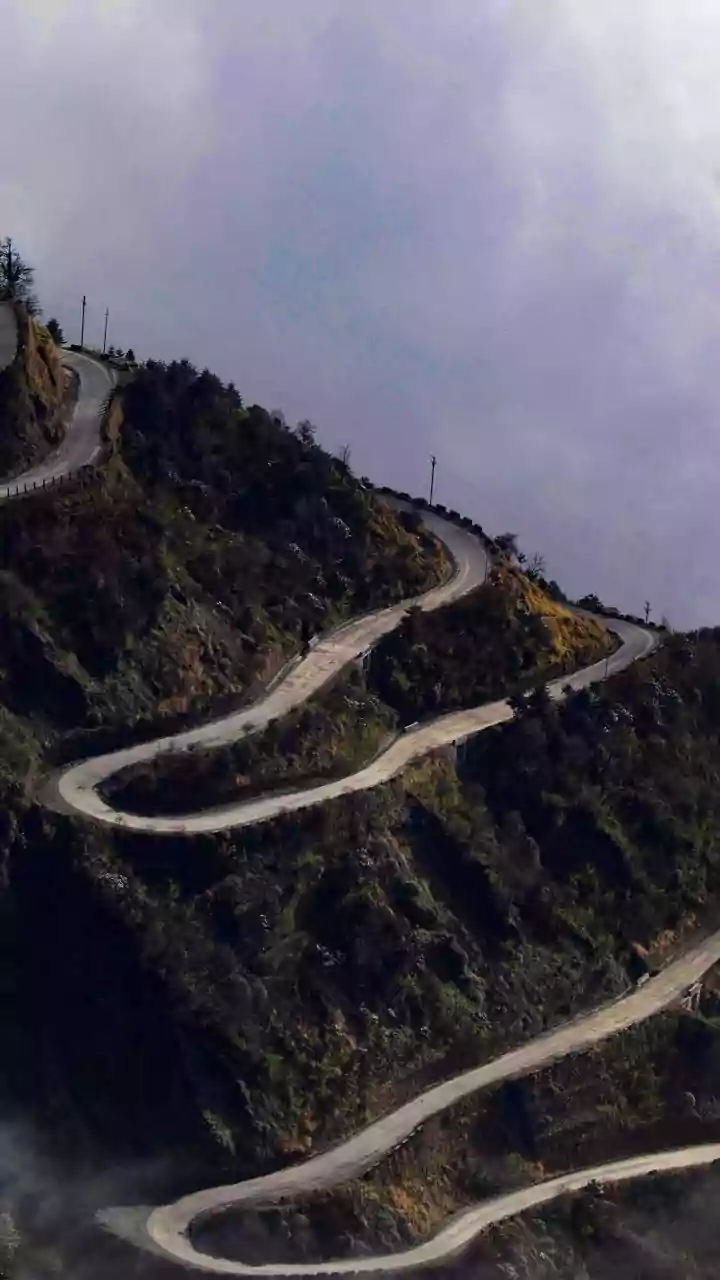



Understanding the Dangers of Monsoon Mountain Travel
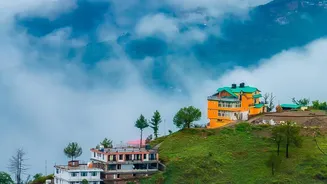
Heavy rainfall in mountainous regions like the Himalayas and the Western Ghats creates specific, often severe, hazards that go beyond a typical downpour. The primary risk is landslides, where saturated soil and rock suddenly give way, blocking roads or
worse. This happens when prolonged rain loosens the terrain on already steep slopes. Another major threat is flash floods, where water levels in streams and rivers can rise dramatically in minutes, washing out roads and bridges. Poor visibility due to fog and intense rain further complicates driving on narrow, winding roads, making accidents more likely. Areas in Himachal Pradesh, Uttarakhand, and the Western Ghats in states like Kerala are particularly vulnerable during the peak monsoon months of July and August.
Before You Go: Check Weather and Route Status
Your first step should be to consult official sources. The India Meteorological Department (IMD) provides district-level weather alerts using a color-coded system. A 'Yellow' alert is a watch, but an 'Orange' or 'Red' alert signals heavy to extremely heavy rain, meaning you should seriously reconsider or postpone your trip. Don't rely on a general forecast; check the specific alerts for your destination and the entire route. Secondly, verify road conditions. Local police and traffic authorities often post real-time updates on social media about road closures or disruptions, as seen recently with a washout on the Mussoorie-Kempty Highway. Always have a buffer day in your itinerary to account for unexpected delays from roadblocks. It's also wise to inform someone of your travel plans and expected return time.
Vehicle Health: A Non-Negotiable Checklist
Your vehicle is your lifeline in the hills, and preparing it is crucial. Before you start, conduct a thorough check. First, inspect your tyres. Good tread is essential for grip on wet, slippery roads to prevent hydroplaning. Also, ensure they are inflated to the correct pressure. Second, test your brakes. Mountain driving, with its steep descents, puts immense strain on them. If they feel spongy or make noise, get them serviced. Third, check your wipers and lights. Visibility can drop to near-zero in heavy rain and fog. Ensure your wipers are effective and top up the washer fluid. Finally, check all essential fluids, including engine oil, coolant, and brake fluid, to prevent overheating or mechanical failure.
Smart Packing for Unpredictable Conditions
Packing for a monsoon hill trip is about practicality, not just fashion. Layering is key, so pack quick-drying synthetic clothes rather than cotton, which stays damp. A waterproof and windproof outer jacket is non-negotiable. For footwear, choose waterproof shoes or sandals with excellent grip; slipping on mossy paths is a common risk. Beyond clothing, an emergency kit is vital. This should include a first-aid kit, essential medicines, a powerful torch, and a fully charged power bank, as power cuts can be common. Waterproof bags or zip-lock pouches are invaluable for protecting electronics and important documents like your ID and booking confirmations.
On the Road: Safe Driving and Local Guidance
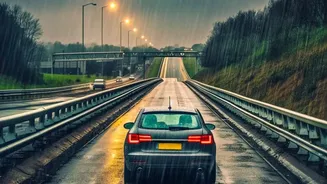
Once you're on your way, adjust your driving style for the conditions. Drive slowly and maintain a greater distance from the vehicle ahead, as stopping distances increase on wet roads. Avoid driving at night when visibility is at its worst and the risk of encountering unseen debris is higher. When going downhill, use a lower gear to engage engine braking instead of constantly riding the brakes, which can cause them to overheat and fail. Most importantly, listen to the locals. They have an innate understanding of the area's weather patterns and risks. If a local driver advises against taking a certain road or visiting a particular spot, heed their warning. Their guidance is often more reliable than any online map.