



Beyond the Ordinary Breakfast Spread
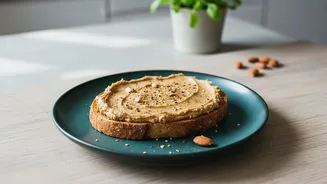
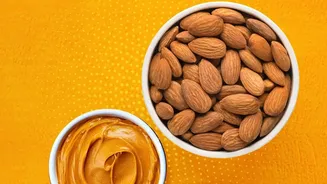
Forget the one-note sweetness you are used to. Spiced nut-and-seed butters are a dynamic category of spreads that combine the creamy goodness of ground nuts and seeds with an aromatic blend of spices. Think almond butter swirled with cinnamon and cardamom,
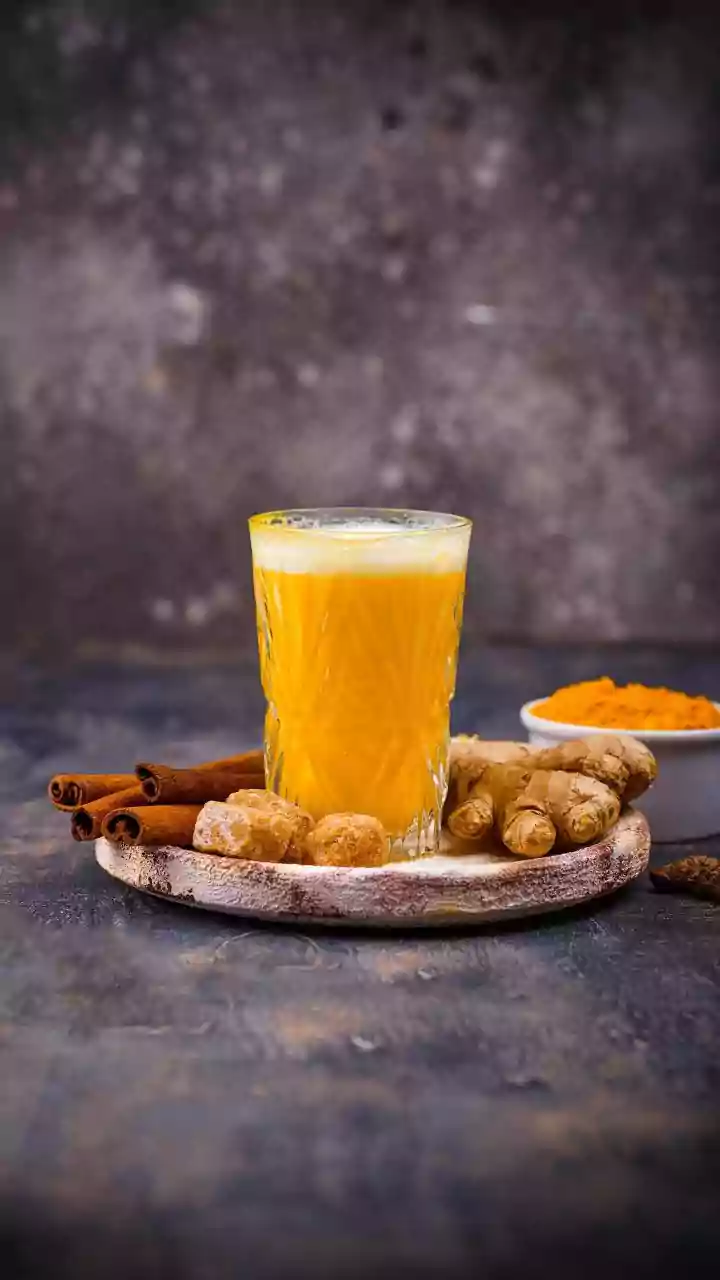
cashew butter with a kick of cayenne, or a blend of pumpkin and sunflower seeds infused with turmeric and ginger. These butters move beyond the traditional peanut and almond varieties, incorporating a wider array of ingredients like walnuts, pistachios, chia seeds, and flax seeds. The result is a spread that’s not just a topping, but a complex flavor ingredient in its own right, capable of being sweet, savory, or smoky.
The Flavor and Fiber Advantage
The most immediate difference is the flavor profile. While conventional jams and chocolate spreads rely heavily on sugar for their appeal, spiced nut butters build flavor through toasted nuts, earthy seeds, and warm or zesty spices. This complexity satisfies the palate without a sugar crash. But the benefits are more than just taste-deep. Nutritionally, these butters are far superior. A typical serving of jam contains minimal fiber, often less than 1 gram. In contrast, a two-tablespoon serving of almond butter can offer over 3 grams of fiber. Fiber is crucial for digestive health, helps regulate blood sugar levels, and promotes a feeling of fullness, which can help manage appetite throughout the morning.
A Nutritional Powerhouse in Every Spoonful
The nutritional benefits don't stop at fiber. Nuts and seeds are packed with heart-healthy monounsaturated fats, which have been shown to help lower bad LDL cholesterol levels. They are also a significant source of plant-based protein, with peanut and almond butters containing 7 to 8 grams per serving, essential for muscle repair and sustained energy. Furthermore, these butters are rich in micronutrients. Almond butter is a fantastic source of vitamin E, an antioxidant that protects cells from damage, as well as magnesium and calcium. Walnut butter offers valuable plant-based omega-3 fatty acids, and even peanut butter provides a healthy dose of B vitamins. Adding spices like cinnamon or turmeric can also contribute antioxidant and anti-inflammatory properties.
How to Choose a Quality Butter
With a growing number of options on store shelves, it's important to read the label. The best and healthiest nut butters have a very short ingredient list: just nuts and seeds, and perhaps a little salt. Be wary of products with added sugars, hydrogenated oils, or palm oil. These are often added to prevent the natural oils from separating and to extend shelf life, but they can introduce unhealthy trans fats and unnecessary sugars. A layer of oil on top of your nut butter is actually a good sign; it means the product is natural and free from artificial stabilizers. Just give it a good stir before you use it. For the freshest and most customized flavors, you can even make your own at home with a good food processor, your favorite nuts and seeds, and a personal blend of spices.