



The End of Cold Minimalism
The minimalist movement, with roots in early 20th-century design philosophies like Bauhaus, has long been defined by the mantra "less is more." For decades, this translated into interiors with cool white and grey palettes, industrial materials like glass
and chrome, and a strict rejection of anything deemed non-essential. While the look is clean and uncluttered, many found it could also feel sterile, impersonal, and even unwelcoming—more like a modern art museum than a home. After years of living in these pristine, sometimes rigid spaces, there's a collective craving for homes that feel more like a comforting sanctuary.
Introducing: Soft Minimalism
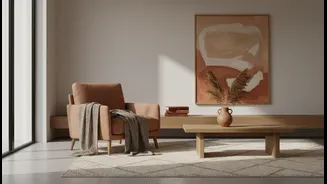
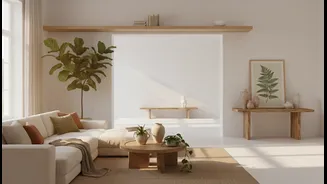
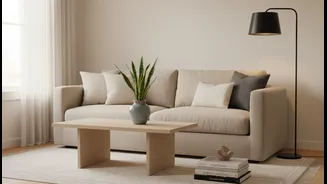
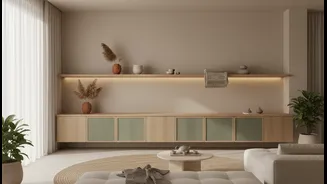
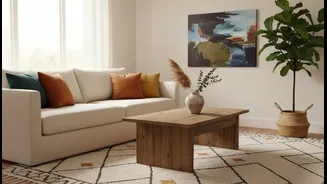
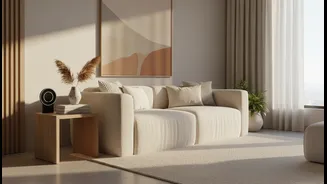
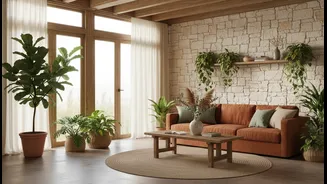
Enter soft minimalism, also known as warm minimalism. This evolution doesn't discard the core principles of simplicity and intentionality; instead, it reinterprets them with a focus on comfort, warmth, and personality. It's about creating spaces that are calm and uncluttered but also deeply inviting and human. Instead of stripping a room down to its barest bones, soft minimalism layers in quiet details, gentle textures, and natural materials to build a sense of effortless warmth. The goal is to design an environment that is emotionally supportive, offering a peaceful retreat from the noise of the outside world.
The Power of Touch and Texture
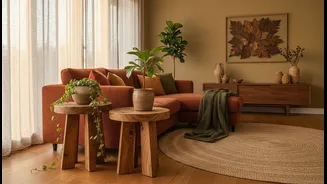
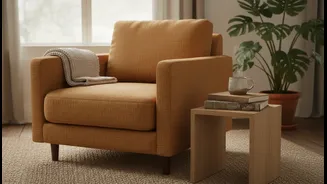
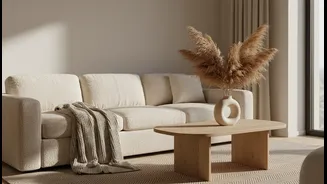
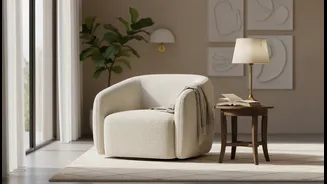
Perhaps the most significant shift is the emphasis on how a space feels, not just how it looks. Tactile surfaces are at the heart of this new movement. Cold, glossy surfaces are being replaced by materials that invite touch. Think nubby bouclé sofas, soft linen curtains, and chunky wool rugs. Natural materials like wood, stone, and rattan are celebrated for their organic textures and ability to bring a sense of the outdoors inside. Even walls are getting a textural update with finishes like lime wash or soft plaster that create a hand-worked, imperfect feel, adding depth and character.
A Warmer, Earthier Palette
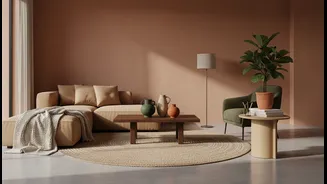
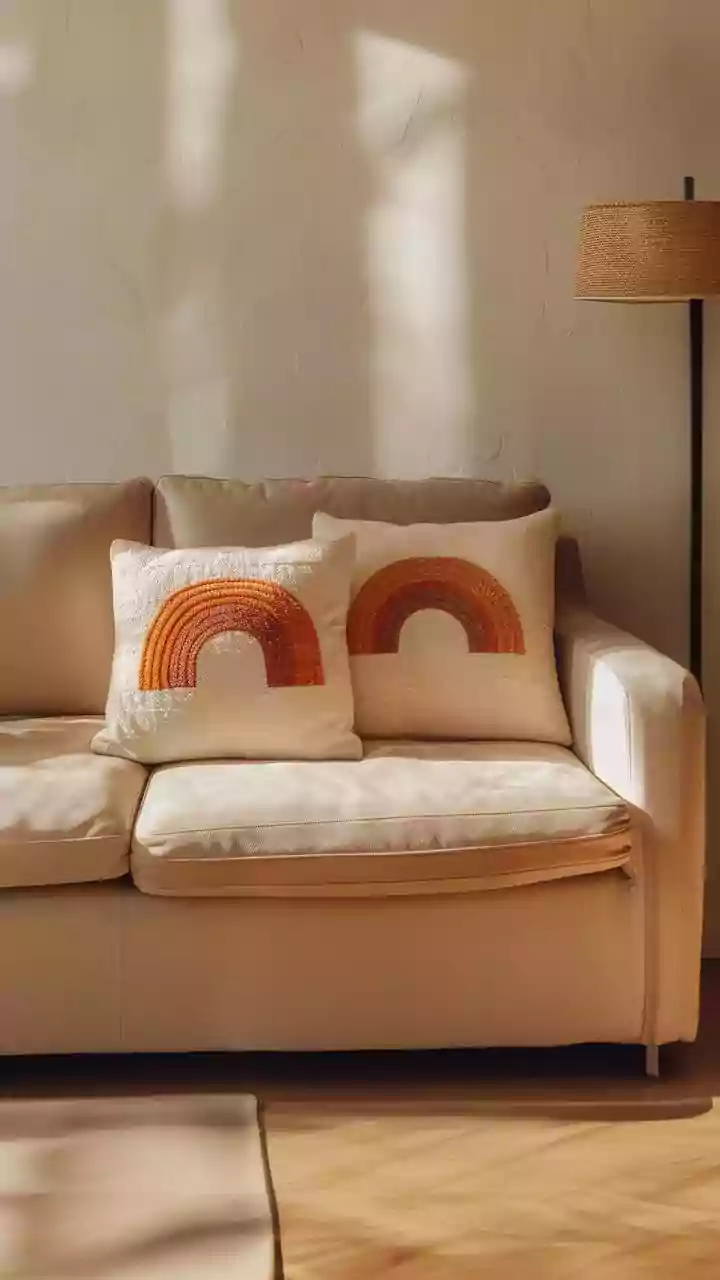
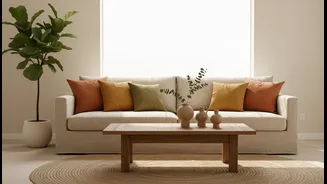
The color palette has also warmed up considerably. The stark, blue-toned whites of classic minimalism are giving way to warmer, creamier shades, along with earthy neutrals like beige, sand, taupe, and clay. These colors create a soothing, grounded backdrop. While the palette remains restrained, there's room for muted, dusty accent colors like terracotta, sage green, and soft blush, which add depth and personality without overwhelming the senses. The focus is on creating a cohesive, tonal look that feels sophisticated and serene.
Curves and Organic Shapes
Another defining feature of this softer approach is the move away from sharp, rigid lines and toward curves and organic shapes. Furniture with rounded edges, like curved sofas and circular coffee tables, helps soften a room and improve its flow. These shapes feel more natural and welcoming, subconsciously making us feel more relaxed. Arches are reappearing in doorways and as design motifs, and accessories often have irregular, sculptural forms. This shift towards organic shapes is tied to biophilic design, which seeks to connect our indoor spaces with the patterns and forms of the natural world, enhancing our well-being.
Why Now? The Psychology of a Comfortable Home
This trend isn't just about aesthetics; it reflects a broader cultural shift. In an increasingly fast-paced and digital world, people are seeking to create homes that function as true sanctuaries—spaces that reduce stress and support emotional well-being. The desire for comfort, safety, and a connection to nature has become paramount. A home that is soft, warm, and tactile feels nurturing and restorative. Soft minimalism provides the perfect framework, offering the calm and clarity of a clutter-free space combined with the emotional warmth we all crave.