





The Treacherous Trio of Urban Commuting
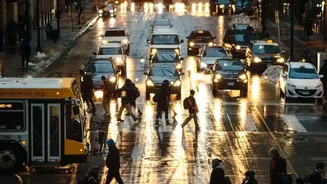
September's weather creates a perfect storm of commuting risks. The combination of rain, wind, and poor visibility is more than just an inconvenience; it's a serious safety challenge. Rainwater conceals potholes and reduces tyre grip on slick, oily road
surfaces, a particularly dangerous situation right after a fresh shower. Sudden gusts of wind can unbalance two-wheeler riders or cause larger vehicles like trucks and buses to swerve unexpectedly. Compounding these issues is poor visibility. During a downpour or on overcast days, it becomes harder for drivers to see pedestrians and other vehicles, significantly increasing the odds of an accident. This trio of factors demands heightened awareness from every person on the road.
For Two-Wheeler Riders: Mastering Balance and Grip
Riders of motorcycles and scooters are especially vulnerable during this season. The cardinal rule is to ride smoothly and slowly, avoiding sudden acceleration or hard braking, which can easily cause a skid on wet roads. Braking distances increase significantly in the rain, so maintaining at least a four-second gap from the vehicle ahead is crucial. Be wary of painted lines, manhole covers, and oily patches, as they become extremely slippery when wet. Ensure your tyres have adequate tread depth to channel water away and prevent aquaplaning. Finally, enhance your visibility to others by wearing a reflective jacket and keeping your headlights on, even during the day. An anti-fog visor or spray for your helmet is also a wise investment to ensure your own vision remains clear.
For Car Drivers: Ensuring Visibility and Control
For those in cars, the primary challenges are maintaining visibility and preventing loss of control. Worn-out wiper blades can smear water across the windshield, so replace them if they aren't clearing the glass effectively. Use your headlights in the rain, not just at night, to make yourself more visible to all road users. Be mindful of hydroplaning, which can occur when driving too fast on wet surfaces, causing your tyres to lose contact with the road. If you feel the car begin to hydroplane, ease off the accelerator and steer gently in the direction you want to go; do not slam on the brakes. Also, remember that your air conditioner is a useful tool for demisting the inside of your windows.
The Pedestrian's Peril: Staying Seen and Safe
Walking during September downpours comes with its own set of dangers. The most critical aspect is visibility. Wear bright or reflective clothing to stand out to drivers in gloomy conditions. An umbrella, while essential, can obstruct your view of oncoming traffic, so be extra cautious when crossing roads. Avoid walking through water-logged streets whenever possible. You cannot see the depth of the water or what lies beneath, such as open manholes or hidden potholes. Stay alert and avoid distractions like using your phone while walking, as you need to be fully aware of your surroundings, from traffic to potential slip hazards.
Vehicle Preparedness: Your First Line of Defence
Before you even begin your commute, a few simple checks on your vehicle can make a world of difference. Regularly inspect your tyres for proper inflation and tread depth, your brakes for responsiveness, and all your lights to ensure they are functioning correctly. For car owners, applying a coat of wax can help repel water and protect your paint. It is also wise to check the rubber seals on doors and windows to prevent leaks that can lead to damp interiors and mould. Carrying a basic emergency kit with items like a flashlight, first-aid supplies, and a phone charger can be invaluable if you get stranded. Taking these proactive steps helps ensure your vehicle is ready to handle the challenging conditions.