



Start with Cuttings, Not Seeds
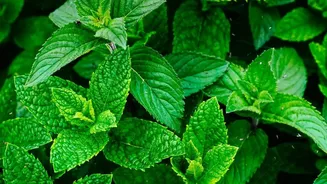
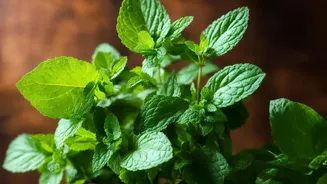
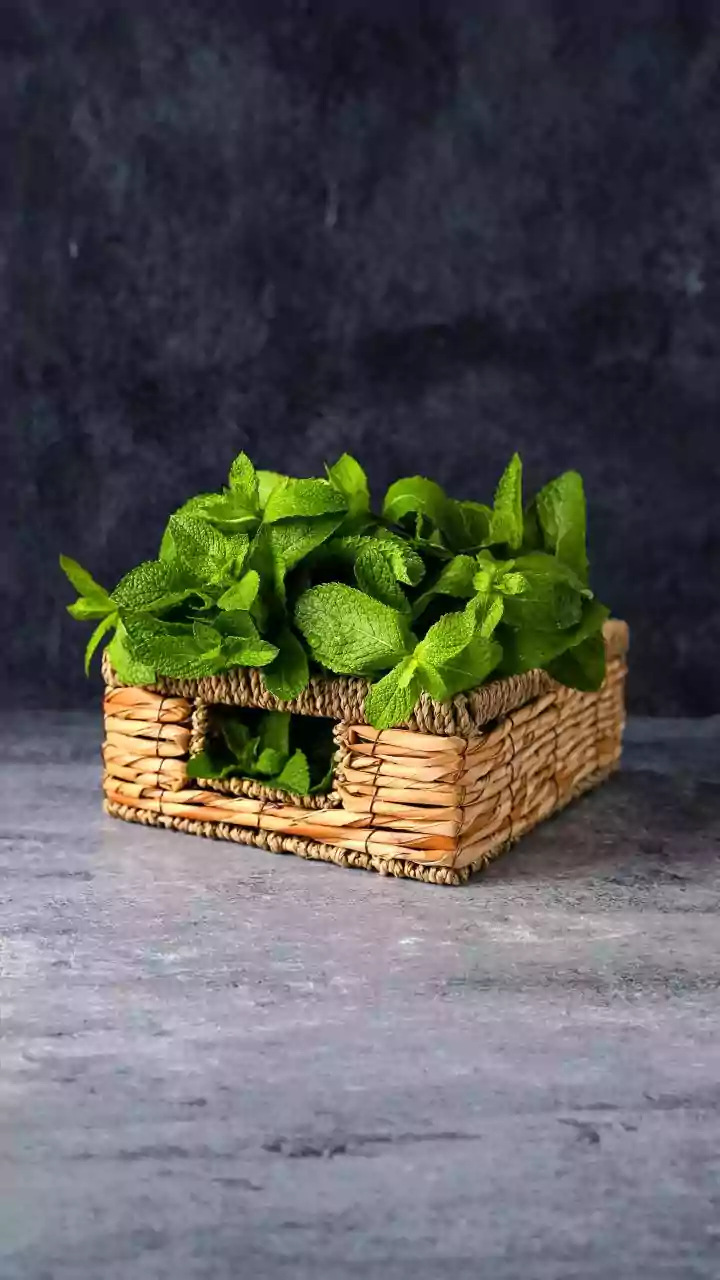
While you can grow mint from seeds, it is a much slower and less reliable process. The easiest and fastest way to start your mint garden is with cuttings from a healthy, existing plant. You can even use the fresh pudina bunch you bought from the market.
Simply select a few healthy-looking stems, about four to six inches long. This method clones the parent plant, ensuring you get the exact flavour and variety you want.
Root Your Cuttings
Once you have your cuttings, remove the lower leaves from each stem, leaving only a few at the top. You have two simple options for rooting. You can place the stems directly into a small pot with moist soil. Alternatively, place them in a glass of water, ensuring the water level is about an inch high and the leaves are not submerged. Roots should begin to appear within a week or two. Once the roots are about an inch long, they are ready to be planted in soil.
Choose the Right Pot and Soil
Mint has roots called 'runners' that love to spread out horizontally, so a wide pot is better than a deep one. A container that is at least 12 inches wide provides ample room. Most importantly, ensure the pot has drainage holes, as mint likes moist soil but will quickly rot if it becomes waterlogged. For the soil, use a well-draining potting mix. A combination of garden soil, compost, and cocopeat works perfectly, creating a rich medium that retains moisture without getting soggy.
Planting and Placement
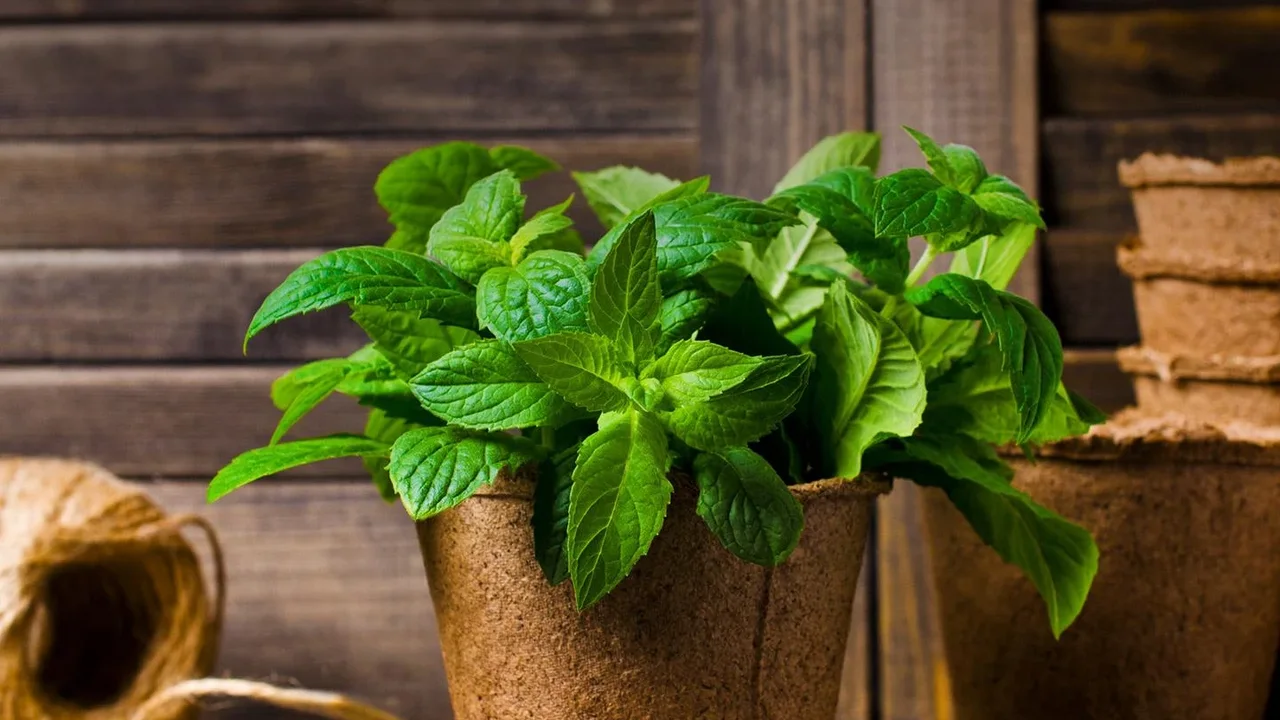
Fill your chosen pot with the prepared soil mix. Make small holes a few inches apart and gently plant your rooted cuttings, covering the roots and the base of the stem. Water the pot thoroughly right after planting to help the soil settle. Find a spot for your mint plant that receives about four to six hours of sunlight. Morning sun with some afternoon shade is ideal, especially in hotter climates, as intense direct sun can scorch the leaves. A bright windowsill or a balcony corner is often a perfect location.
Watering and Basic Care
The key to happy mint is consistent moisture. The soil should feel damp to the touch but never waterlogged. Check the top inch of soil; if it feels dry, it's time to water. Overwatering is a common mistake with indoor mint and can lead to root rot. Mint is not a heavy feeder, but container plants benefit from a light feed. You can apply a balanced liquid fertilizer or some vermicompost once every four to six weeks during the growing season to keep the foliage lush.
Harvesting for Bushier Growth
Regular harvesting is the secret to a full, bushy mint plant. Instead of plucking individual leaves, use scissors to snip off the top portions of the stems, cutting just above a pair of leaves. This encourages the plant to branch out from the cut point, resulting in denser growth. You can start harvesting as soon as the plant is established and has several stems that are at least six inches long. Frequent trimming prevents the plant from becoming 'leggy' (long and sparse) and extends your harvest.