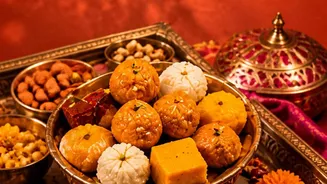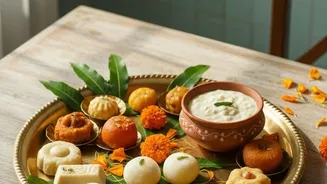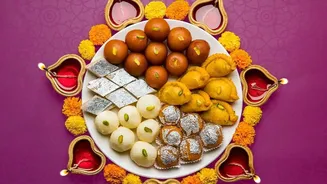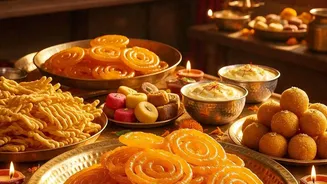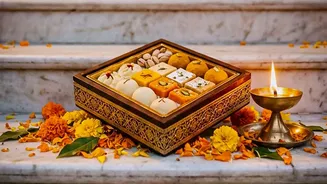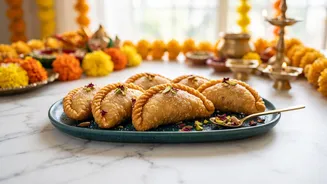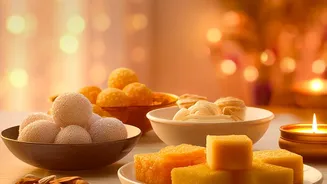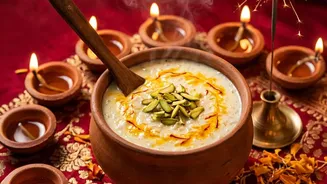



The aroma of ghee-roasted flour and warm cardamom is the scent of Diwali. But making these beloved sweets can be time-consuming. This guide will help you plan and prepare your favourite treats ahead, leaving more time for celebration.
Plan for Sweet Success
A stress-free Diwali
kitchen begins with a simple plan. Start by deciding which sweets you want to make. A good approach is to balance one or two complex, traditional recipes with a few quicker options. Create a list of sweets, categorising them by how far in advance they can be prepared. Shop for all your non-perishable ingredients like flour, sugar, ghee, nuts, and spices at least a week before. Schedule specific days for your sweet-making sessions. This simple act of planning prevents last-minute rushes and allows you to enjoy the process, turning it from a chore into a cherished tradition.
The Make-Ahead Heroes: Dry Sweets
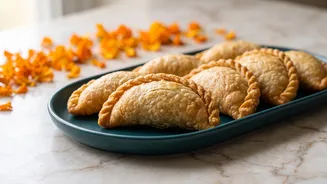
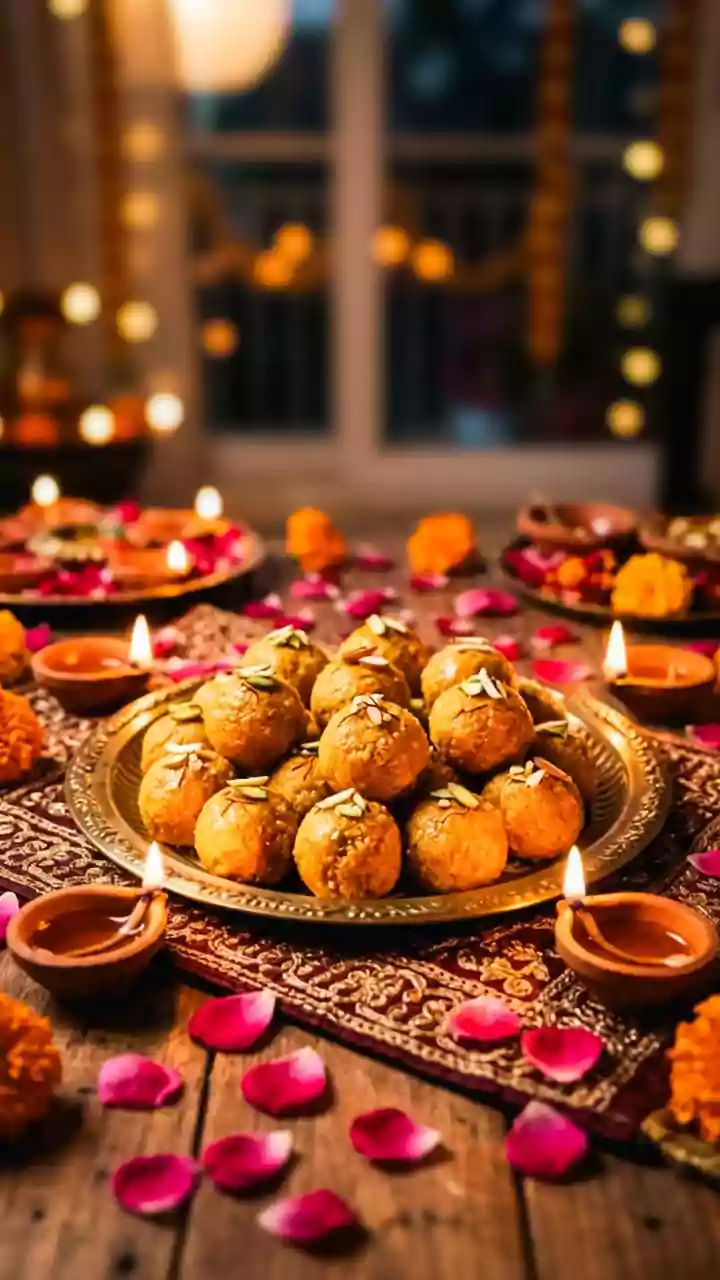
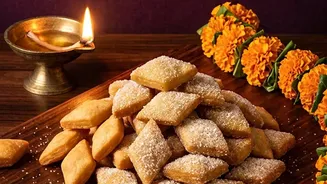
Many of Diwali's most iconic sweets have a long shelf life, making them perfect candidates for advance preparation. Ladoos made from roasted flours like besan (gram flour) or atta (whole wheat) are prime examples. Because they are low in moisture, they store exceptionally well. Besan Ladoo, a classic favourite, can be made a week or more in advance; in fact, many believe the flavour deepens and improves after a few days. Similarly, crunchy, diamond-shaped Shankarpali can be fried or baked and stored for up to two weeks in an airtight container. These dry sweets are the foundation of a well-stocked Diwali platter and can be prepared long before the festive rush begins.
Sweets for the Final Few Days
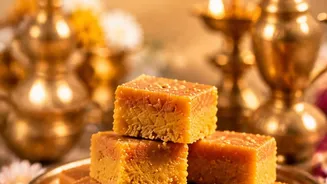
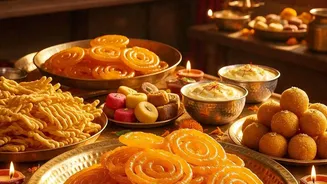
Some sweets, particularly those based on milk or syrup, are best made closer to the day of celebration to ensure peak freshness and texture. Milk-based sweets like Peda, Kalakand, and most types of Barfi should be prepared two to three days before you plan to serve them. While they can last for about a week in the refrigerator, their texture is best when fresh. For sweets like Gulab Jamun or Rasmalai, you can prepare the components separately. The jamuns can be fried and the chenna for rasmalai can be prepared, with the final step of soaking them in syrup or thickened milk done a day or two before serving for the best flavour absorption.
Smart Storage is Everything
Proper storage is the secret to keeping your homemade sweets tasting as fresh as the day they were made. The most important rule is to cool every sweet completely before storing it; trapping warm steam creates moisture, which leads to spoilage. Always use clean, dry, and airtight containers, preferably made of glass or steel. Store different types of sweets separately to prevent flavours from mingling and to stop moist sweets from making crunchy ones soggy. Dry sweets like ladoos and shankarpali are fine at room temperature in a cool, dark cupboard. Milk_based sweets, however, must be refrigerated to maintain their freshness and safety. For layered sweets like barfi, placing parchment or butter paper between layers prevents them from sticking together.
Modern Twists and Healthier Swaps
While tradition is at the heart of Diwali, there is always room for a contemporary touch. For a healthier spin, consider swapping refined sugar with jaggery or dates for natural sweetness in ladoos and barfis. Many fried snacks like Shankarpali can be baked instead, resulting in a lighter, less oily treat with the same satisfying crunch. You can also experiment with fusion flavours, such as adding cocoa powder to create chocolate barfi or incorporating western_style desserts like cheesecake cups with a Gulab Jamun twist. These small changes can add an element of surprise to your festive spread.