




The Kitchen Takes Over the Tandoor
What was once the exclusive domain of restaurants with roaring tandoors is now a beloved home cooking project. The trend of making 'restaurant-style' starters at home has exploded, fueled by a perfect storm of factors. The pandemic turned many of us into
more adventurous home chefs, and the rise of food bloggers and social media provided endless inspiration. Furthermore, modern appliances like air fryers and oven-toaster-grills (OTGs) have made it easier than ever to achieve that signature char and texture without a traditional clay oven. It's no longer just about recreating a dish; it's about owning the experience and customising flavours to your family's liking.
Mastering the Marinade
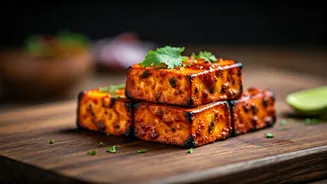
The soul of any great tikka or kebab is its marinade. This is where the flavour is born. The restaurant secret isn't a single magic ingredient, but a two-step process. The first marinade is a simple mix of ginger-garlic paste, lemon juice, and salt. This tenderises the protein (be it paneer, chicken, or vegetables) and allows it to absorb flavour. Let it rest for at least 30 minutes. The second, more substantial marinade is where the magic happens. A base of thick, hung curd is essential—it clings to the ingredients without making them watery. To this, add your spices: kashmiri red chilli powder for colour, turmeric, garam masala, coriander powder, and roasted besan (gram flour), which prevents the curd from splitting and adds a nutty flavour. Don't be shy with the kasuri methi (dried fenugreek leaves); crushing it between your palms releases its incredible aroma.
Achieving the Perfect Char
You don't need a tandoor to get that delightful smoky finish. The key is high heat. If using an oven or OTG, preheat it to its highest temperature (around 220-240°C). Arrange your marinated items on a skewer or a greased baking tray, leaving a little space between each piece to ensure even cooking. Cook for 10-12 minutes, flip, and cook for another 5-7 minutes until you see charred spots. For an air fryer, cook at around 200°C for 8-10 minutes. If you're using a stovetop, a heavy-bottomed grill pan is your best friend. Get it smoking hot, brush with a little oil or ghee, and cook the tikkas in a single layer, turning until all sides are beautifully browned and slightly blistered. For that final dhaba-style touch, you can use the 'dhungar' method: place a small steel bowl in your serving dish, add a hot piece of charcoal, pour a drop of ghee over it, and cover immediately for a minute to infuse the food with smoke.
The Essential Accompaniments
A great starter is made legendary by its supporting cast. The classic accompaniment is a vibrant green chutney. Blend fresh coriander, mint leaves, green chillies, a knob of ginger, some lemon juice, and a spoonful of curd for a creamy, tangy dip that cuts through the richness of the tikka. Alongside the chutney, serve crisp, thinly sliced onions that have been tossed in lemon juice and a pinch of salt and chaat masala. These 'laccha pyaaz' add a refreshing crunch and sharpness. A few wedges of lemon on the side are non-negotiable, allowing everyone to add a final spritz of brightness just before eating.
Your All-Purpose Tikka Framework
Forget rigid recipes; think in terms of a framework you can adapt. For about 400-500g of your main ingredient (paneer, chicken, mushrooms, broccoli): First Marinade: 1 tbsp ginger-garlic paste, 1 tbsp lemon juice, salt to taste. Second Marinade: 1 cup thick hung curd, 2 tbsp roasted besan, 1 tsp kashmiri chilli powder, ½ tsp turmeric, 1 tsp garam masala, 1 tsp coriander powder, 1 tbsp crushed kasuri methi, and 1 tbsp mustard oil. Follow the two-step marination process, let the second marinade sit for at least 2-4 hours (or overnight for best results), and then cook using your preferred high-heat method. This base works beautifully for almost anything, giving you the confidence to experiment.