



The Pinch in Your Pantry
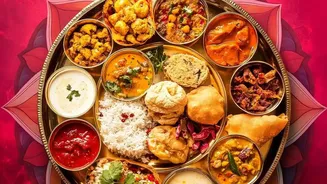
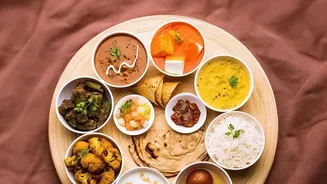
As families across India prepare for the festival of lights, a cloud of price hikes looms over the kitchen. Overall retail inflation accelerated to 5.5% in September, driven largely by a sharp 7.7% surge in food prices. This festive season, items that
are the heart and soul of Diwali feasts—from cooking oils and vegetables to sugar—are seeing significant price pressure. This is attributed to a combination of factors, including erratic weather impacting crop yields, higher fuel costs affecting transport, and increased seasonal demand. For households, this means the grocery bill for celebrating Diwali could be noticeably higher than last year.
Edible Oils: The Frying Cost
Deep-fried snacks and sweets are a Diwali staple, but the cost of the primary ingredient, edible oil, has been volatile. Vegetable oil prices have risen nearly 20% over the past year due to firm international prices and supply chain disruptions, such as the conflict affecting sunflower oil shipments. In response, the government recently cut import duties on crude palm, soybean, and sunflower oils to ease the burden on consumers ahead of the festive demand peak. While this move is intended to lower retail prices, households should still be mindful. Sunflower oil, in particular, has seen supply constraints, prompting buyers to shift towards alternatives like palm oil. Comparing prices and being open to different types of oil could be key to managing this expense.
Vegetables: The Onion and Beyond
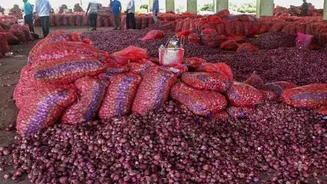
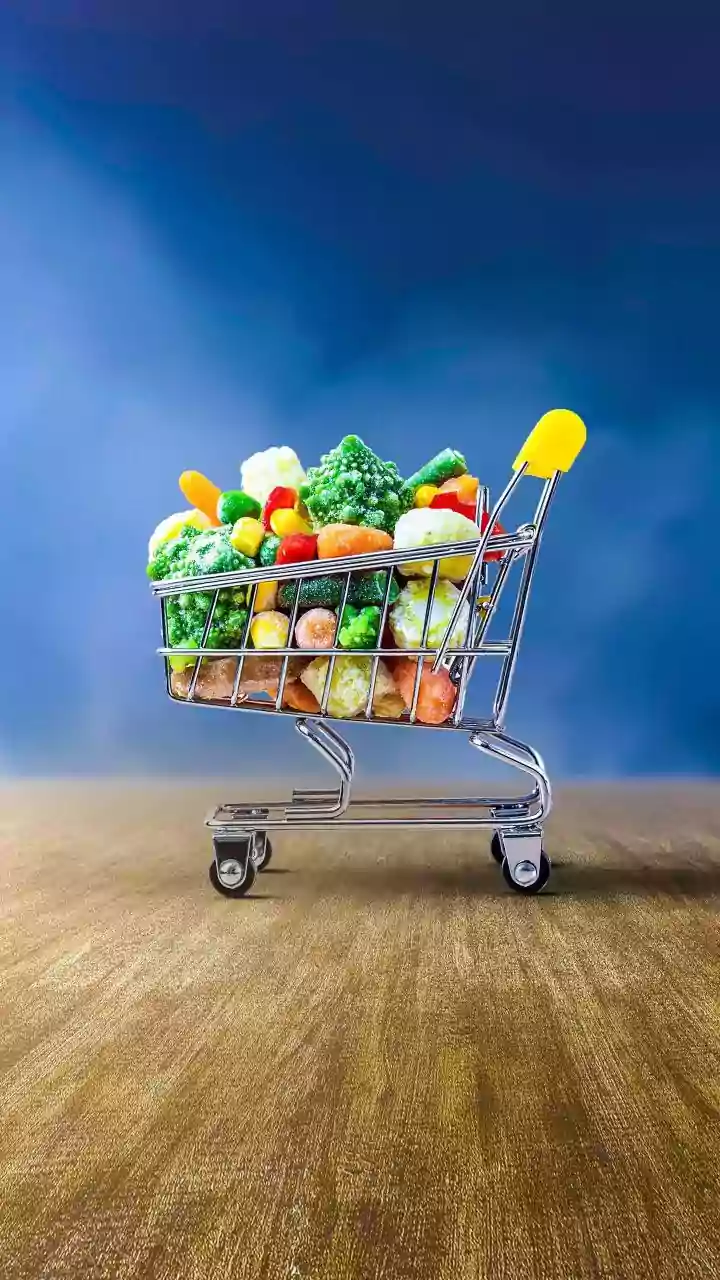
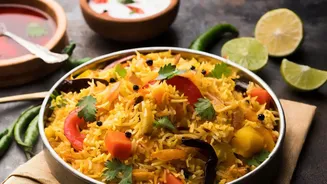
No festive meal is complete without a vibrant array of vegetables, but this is where some of the steepest increases are being felt. Onions have recorded a staggering price rise of over 100% year-on-year, with garlic and ginger also becoming significantly more expensive. Erratic rainfall and high temperatures in key growing regions like Gujarat and Maharashtra have led to lower crop yields, just as festive demand peaks. While some relief comes from vegetables like potatoes and tomatoes, whose prices have remained stable or fallen, the overall cost of preparing curries and side dishes is on an upward trend. Planning meals around seasonal and less expensive vegetables can offer some respite.
Sugar: A Less Sweet Deal
The cost of making homemade mithai like laddoos and barfis is also a point of concern. Lower domestic sugar production estimates for the year have led to tighter supplies. To prevent prices from spiraling during the festive season, the government has taken several steps, including allowing duty-free imports and imposing stock limits on dealers to prevent hoarding. These measures have helped stabilize ex-mill prices and led to a recent decline in retail costs from their peak. However, with festive demand for sweets, beverages, and processed foods at its highest, sugar remains an item to budget for carefully.
Smart Tips for a Savvy Shopper
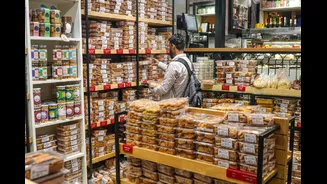
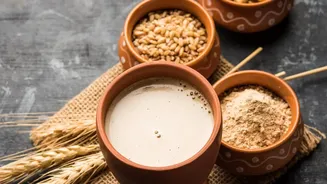
Despite rising costs, a delicious and joyous Diwali is still within reach. Strategic planning is your best tool. Start by creating a detailed meal plan and a corresponding shopping list to avoid impulsive purchases. Buying staples like rice, flour, and pulses in bulk can often be more economical, but always compare the price per unit to ensure it's a genuine saving. Prioritize seasonal vegetables, which are usually fresher and cheaper. Don't hesitate to compare prices between your local kirana store, supermarkets, and online apps, but be wary of delivery fees that can negate the savings. Finally, consider making some items from scratch and preparing some dishes in advance to both manage costs and reduce last-minute stress. Thoughtful planning can help you navigate the price hikes without compromising on the festive cheer.