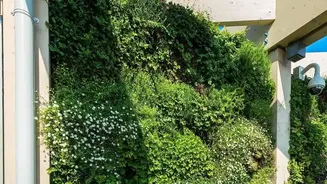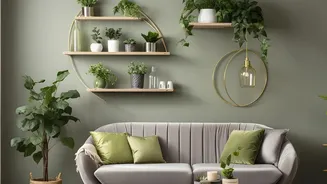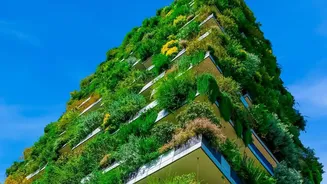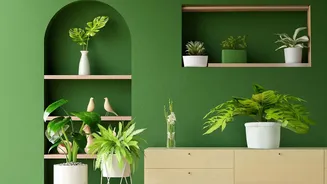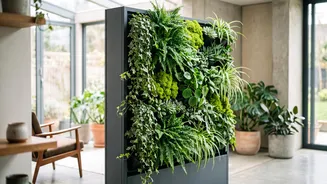





A lush vertical garden can transform any space, but its success hinges on one crucial element: light. Understanding how to provide the right amount and type of light is the secret to creating a stunning, healthy, and thriving wall of green.
First, Understand Your Light
Before you
choose a single plant, you need to become an expert on the light in your chosen spot. Light is plant food, and not all light is created equal. 'Bright, indirect light' is the most common recommendation for houseplants, meaning a spot that is well-lit for most of the day but doesn't receive harsh, direct sunbeams. 'Direct light' is when the sun’s rays hit the plant directly, which is often too intense for many indoor species. 'Low light' refers to shadier corners, further from windows, where only the toughest plants will survive. Spend a day observing your wall. Does it get gentle morning sun, intense afternoon heat, or no direct sun at all? This observation is the most critical step in planning your garden.
Assess Your Wall's Direction
The direction your wall faces determines the quality and duration of natural light it receives. In India, a north-facing wall will get the least direct sun, making it suitable for low-light plants. An east-facing wall receives gentle morning sun, which is ideal for a wide variety of plants like herbs and flowering species. A west-facing wall gets hot, intense afternoon sun that can scorch delicate leaves, so you'll need heat-tolerant plants. A south-facing wall gets the most consistent and brightest light throughout the day, perfect for sun-loving varieties like vegetables or succulents. Use your phone's compass to determine which way your wall faces; this will narrow down your plant choices significantly.
Low-Light Plants for Shady Walls
Many indoor vertical gardens are created in spaces without abundant sunlight. Luckily, many beautiful plants thrive in these conditions. Pothos (Money Plant) and Heartleaf Philodendron are champions of low-light environments, with trailing vines that are perfect for creating a cascading effect. Ferns, like the Boston Fern, love humidity and indirect light, making them great for shadier spots or even bathrooms. Other reliable choices for north-facing or darker indoor walls include the hardy Spider Plant, the elegant Peace Lily, and the almost indestructible Snake Plant, all of which are popular and easy to find in India.
Bright Light and Sun-Loving Options
If your vertical garden is on a sunny balcony or against a south_facing wall, your options expand dramatically. Most vegetables and herbs require at least six to eight hours of direct sunlight per day to flourish. Think about growing your own kitchen garden with mint, basil, lettuce, and even compact varieties of tomatoes and chillies. For ornamental plants, succulents are a fantastic choice for sunny, dry spots due to their low water needs and interesting shapes. Flowering plants like Lantana can also add a splash of colour to an outdoor sun_drenched green wall.
When Natural Light Isn't Enough
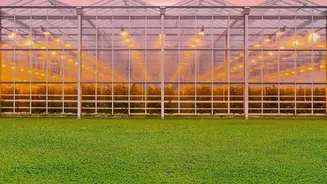
What if your heart is set on a specific plant, but your light is all wrong? The solution is artificial lighting. Grow lights are no longer just for professional setups; modern LED options are energy_efficient, produce little heat, and can be stylishly integrated into your home. For a vertical garden, simply hanging a light overhead often isn't enough, as the top plants will block light from reaching the bottom ones. The best approach is to use vertical light bars or angle your lights to ensure the entire wall receives even coverage.
Choosing and Using Grow Lights
When shopping for grow lights, look for 'full_spectrum' LEDs. This means they mimic the natural spectrum of the sun, providing all the wavelengths plants need for healthy growth. A timer is an essential accessory, allowing you to provide a consistent 12 to 16 hours of light per day, which is a good target for most edible and foliage plants. Position the lights as close to the plants as possible without causing heat stress, typically between 6 to 12 inches away. With the right grow light setup, you can successfully grow almost any plant, anywhere in your home, turning even the darkest corner into a vibrant green oasis.