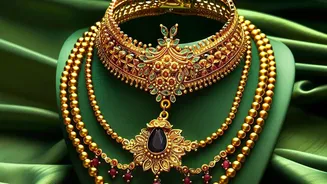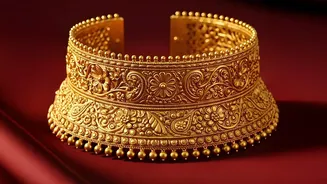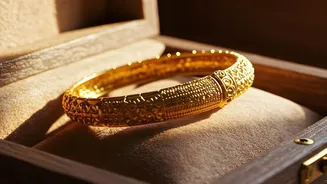





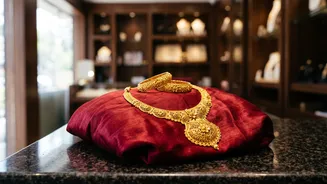
In millions of Indian homes lies a treasure that's more than just a financial asset. Family gold jewellery, often passed down through generations, is a vessel of memory, a symbol of security, and a cornerstone of cultural identity.
More Than Just an Ornament
In India, gold is deeply
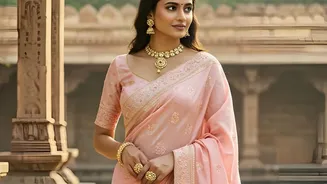
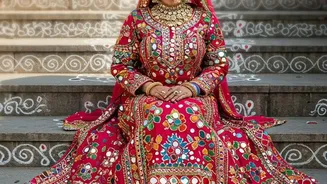
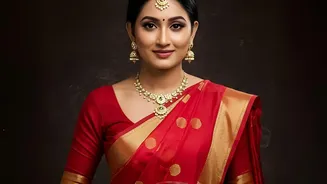
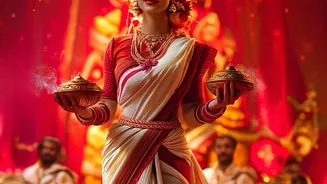
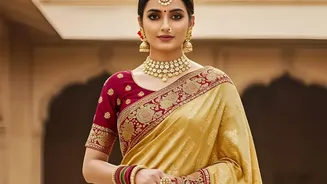
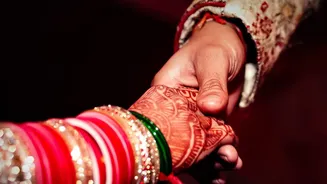
woven into the cultural and spiritual fabric of life. From ancient times, it has been considered an auspicious metal, symbolic of purity, prosperity, and the divine Goddess Lakshmi. The practice of buying gold during festivals like Dhanteras and Akshaya Tritiya is believed to usher in good fortune and wealth. This cultural reverence extends to life's most important milestones, especially weddings. A bride adorned in gold is a common sight, with each piece—from the mangalsutra to the bangles—carrying blessings and signifying her new status and a prayer for a prosperous married life. This jewellery isn't just for a day; it's a legacy passed from one generation to the next, making it an active part of a family's living heritage.
A Woman’s Financial Fortress
Beyond its cultural weight, gold serves a critical function as 'Stridhan'. Derived from Sanskrit, Stridhan translates to 'woman's property' and refers to the assets, primarily gold jewellery, that a woman receives from her family and in-laws before, during, and after her marriage. Legally, this is her absolute property, providing a crucial layer of financial independence and security. In times of personal or familial crisis, Stridhan acts as a safety net that she exclusively controls. This tradition empowers women with a tangible asset that is separate from joint family wealth, a practice that has been upheld by Indian law for centuries and provides a safeguard in a patriarchal system.
The Tangible Thread of Memory
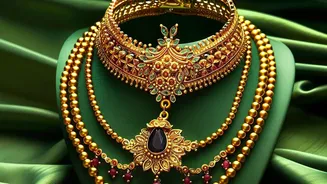
Every piece of heirloom jewellery tells a story. A grandmother's necklace or a mother's wedding bangles are not just gold; they are physical connections to family history and cherished memories. These pieces are worn during weddings and important family events, carrying the blessings and essence of ancestors. This emotional value often far exceeds the monetary worth of the gold itself. In a rapidly changing world, this jewellery acts as a constant, a tangible link that connects generations and preserves the family's legacy and traditions. It's a way of keeping loved ones and their stories alive, immortalised in the intricate designs of a timeless ornament.
An Unshakeable Economic Anchor
Indian households hold one of the largest private gold reserves in the world for a good reason. Gold is viewed as a reliable and stable investment that acts as a hedge against inflation and economic uncertainty. Unlike paper currency or other financial assets, gold has historically maintained its value, providing a sense of security during market volatility. Its high liquidity means it can be easily converted into cash during an emergency, making it a practical financial tool for many families, especially those with fluctuating incomes or limited access to formal banking. Over the past two decades, gold has delivered strong returns in India, reinforcing its reputation as a safe haven for long-term wealth preservation.
The Modern Challenge of Safekeeping
With the rising price of gold, protecting these valuable assets has become a primary concern for families. The decision often comes down to two main options: a bank locker or a modern home safe. While bank lockers offer institutional security, they come with annual fees, restricted access during banking hours, and limited liability in case of theft or disaster. The Reserve Bank of India has clarified that a bank's liability is capped, which may not cover the full value of the contents. Consequently, many families are opting for high-quality home safes, which offer 24/7 access and a one-time cost. Regardless of the choice, the act of securing the gold underscores its immense value—both financial and emotional—to the family.