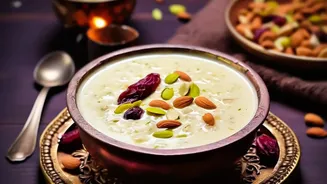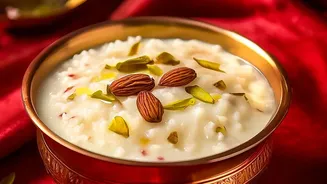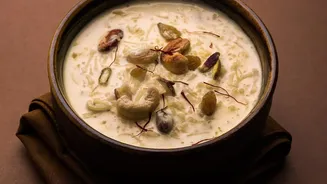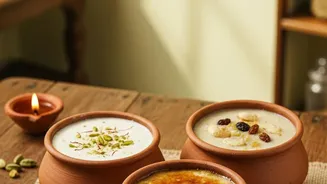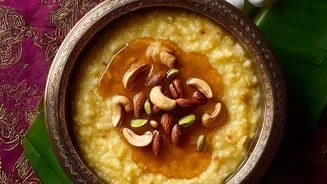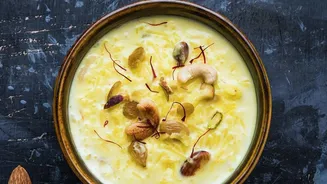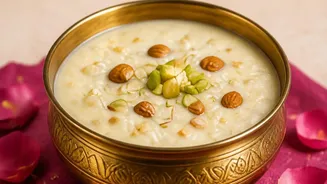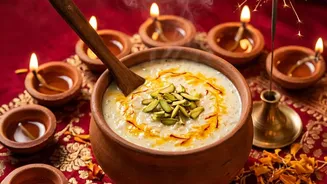

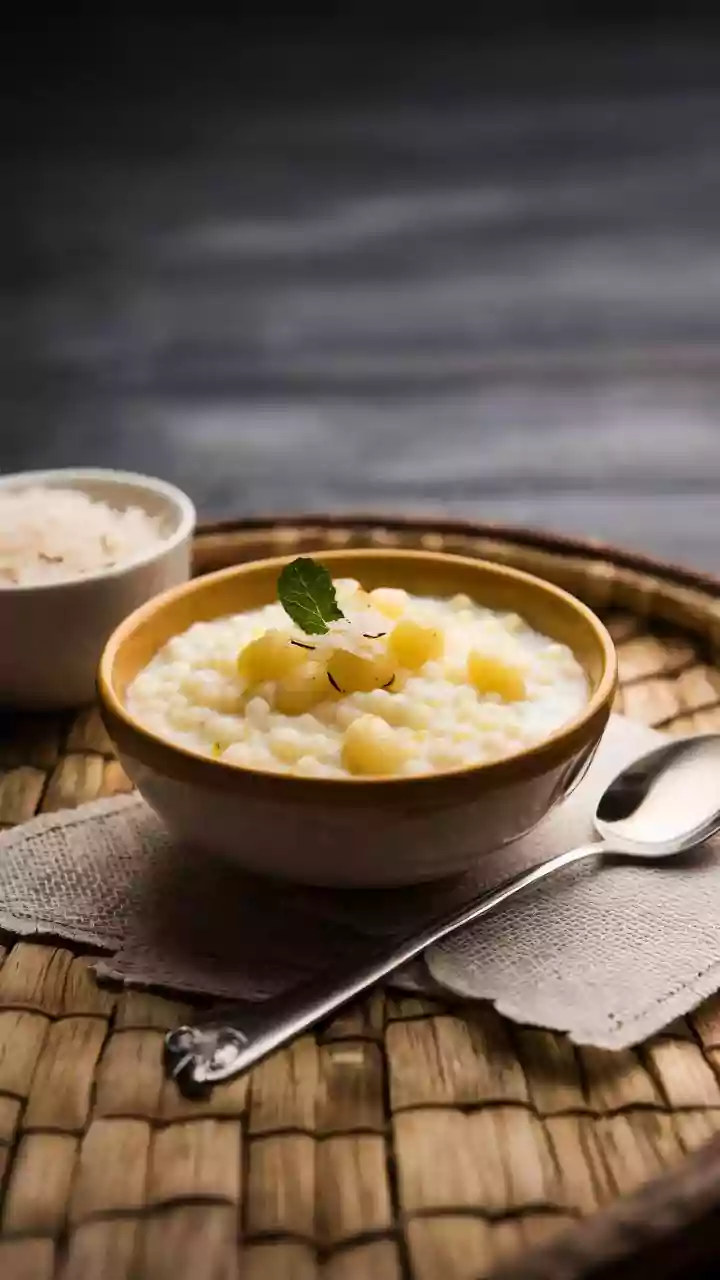
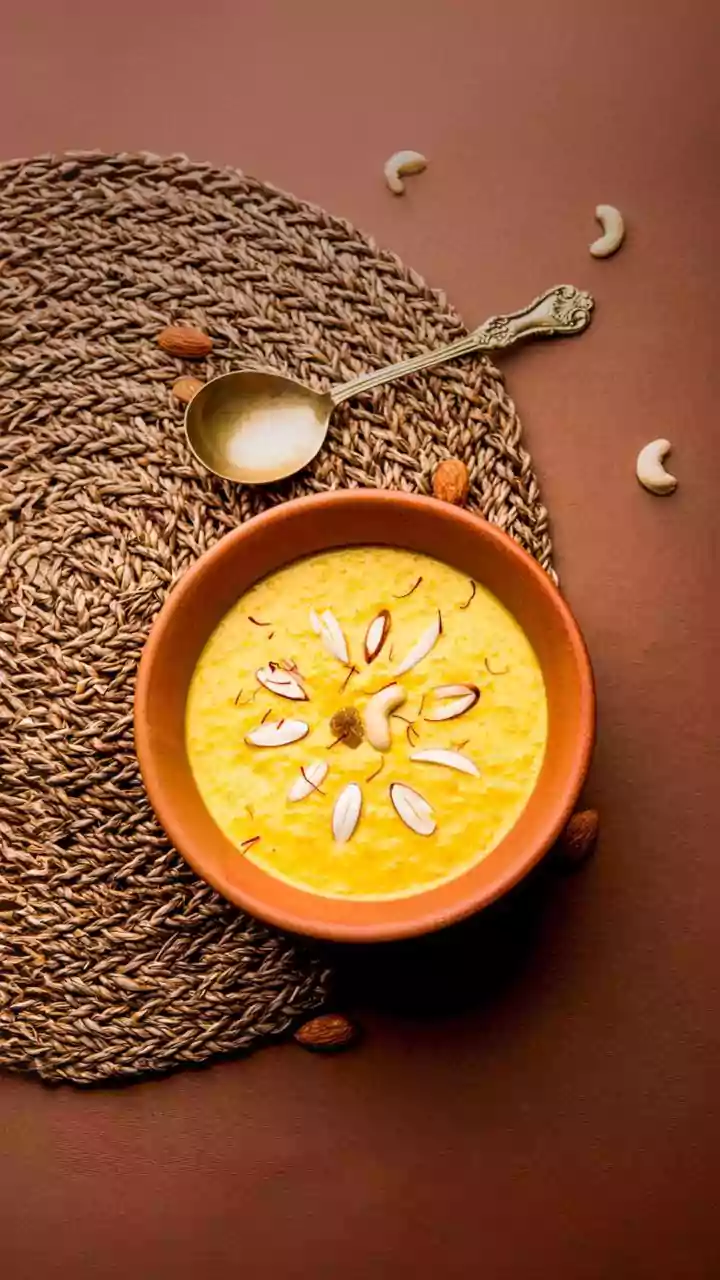
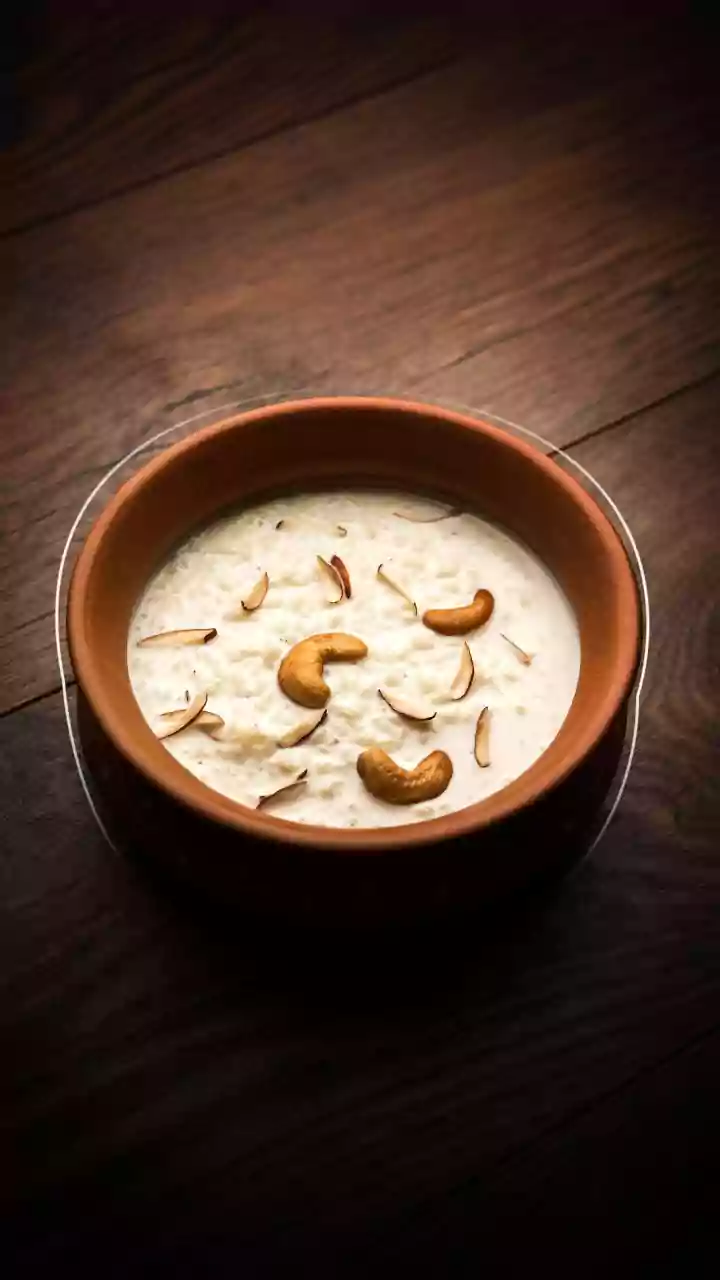

The gentle aroma of kheer simmering on the stove is a comfort known across India. But as winter arrives, so does a unique opportunity to rediscover this classic dessert with a seasonal twist: Ganne ka Kheer, or sugarcane rice pudding.
A Sweet Winter Harvest Tradition
Across India, especially
in northern states like Punjab, the winter months signify the sugarcane harvest. This period brings with it an abundance of fresh sugarcane juice, a beloved beverage enjoyed for its hydrating properties and natural sweetness. Traditionally, this seasonal bounty is not just for drinking; it becomes the star ingredient in a rustic and deeply flavourful dessert also known as 'Roh di Kheer'. This dish is particularly popular during winter festivals like Lohri and Makar Sankranti, which celebrate the harvest. Using sugarcane juice instead of milk and sugar gives the kheer a distinct, earthy sweetness and a beautiful golden hue, connecting the dish directly to the agricultural rhythms of the season.
What Makes Sugarcane Kheer Special?
Unlike its milky counterpart, sugarcane kheer offers a completely different flavour profile. The taste is sweet, but with a more complex, almost grassy note from the fresh cane juice. Since the sugarcane provides all the sweetness, no extra sugar is needed, making it a celebration of a single, natural ingredient. The texture is luscious and creamy as the rice slowly cooks and breaks down, thickening the simmering juice into a pudding. While the classic recipe is a simple combination of just rice and sugarcane juice, many variations exist, with some adding a splash of milk for creaminess or a handful of nuts for richness. It’s a treasured heirloom recipe, often cooked on slow, wood-fired stoves in villages, embodying a simple, farm-to-table philosophy.
The Essential Ingredients
The beauty of this recipe lies in its simplicity. You only need a few core ingredients to create this seasonal delight. For a serving of about four people, you will need approximately 1 litre of fresh sugarcane juice, 100 grams of short-grain or broken basmati rice, a pinch of green cardamom powder for aroma, and about 2 tablespoons of chopped nuts like almonds and cashews for garnish. It is crucial to use pure sugarcane juice without any additives like lemon, ginger, or mint, as these can alter the flavour and may cause curdling. Soaking the rice for at least 30 minutes before cooking is a key step to ensure it cooks evenly and becomes soft.
A Step-by-Step Guide to Preparation
Begin by pouring the strained sugarcane juice into a heavy-bottomed pan and bringing it to a boil over medium heat. As it heats, a layer of scum or impurities may rise to the surface; carefully skim this off with a ladle to ensure the kheer has a clean taste and colour. Once the juice is clear, drain the soaked rice and add it to the pan. Reduce the heat to low and let the mixture simmer gently. It's important to stir frequently to prevent the rice from sticking to the bottom. The kheer is ready when the rice is completely soft and has melded with the juice, creating a thick, pudding-like consistency. This process typically takes about 25 to 30 minutes. Finally, stir in the cardamom powder and any nuts you choose to use before taking it off the heat.
Tips for the Perfect Bowl
The choice of rice is important. Aromatic, short-grain varieties like Gobind Bhog or broken basmati work best as they break down well and absorb the flavours beautifully. Be patient and cook the kheer on low heat; rushing the process can cause the sugars to burn. Remember that the kheer will continue to thicken as it cools, so it's best to take it off the stove when it is slightly looser than your desired final consistency. This dessert can be served warm, straight from the pot, which is perfect for a cold winter day. Alternatively, it can be chilled in the refrigerator and served cold, which many people find equally delicious. Some traditional recipes even call for a pinch of black salt to cut the sweetness, offering another layer of complexity.