


For decades, the idea of 'Indian spices' was a familiar, comforting shorthand for a handful of staples. But a quiet revolution is happening in kitchens and restaurants, moving beyond the basics to embrace India's vast, hyperlocal spice heritage.
Beyond the Masala Dabba
The standard
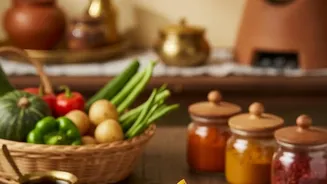
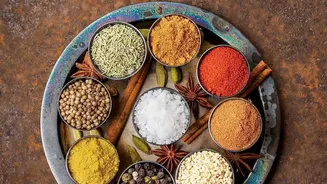
Indian spice box, or 'masala dabba', traditionally holds essentials like turmeric, cumin, coriander, and red chilli powder, with garam masala often rounding out the collection. These spices form the backbone of countless beloved dishes. However, a growing movement among chefs and home cooks is looking past these mainstays to explore the incredible diversity of India's regional spice blends. This shift is driven by a desire for authenticity and a deeper connection to culinary roots. As palates become more sophisticated, there's a collective curiosity about the specific flavours that define the cuisines of Maharashtra, Bengal, the Konkan coast, and the Himalayan belt. It's a move away from a monolithic idea of 'Indian food' towards a celebration of its distinct regional identities.
Chefs Championing Hyperlocal Flavours
Top chefs across India are at the forefront of this revival, viewing the resurrection of lesser-known ingredients as essential to preserving the country's food heritage. Chef Prateek Sadhu, at his restaurant NAAR, focuses on the culinary traditions of the Himalayan region, using foraged ingredients and local spices to create a menu that reflects the area's unique culture. Similarly, chefs like Thomas Zacharias have embarked on extensive travels across India, discovering hyperlocal ingredients like Jakhia seeds from Uttarakhand and Kalari cheese from Jammu, and incorporating them into modern menus. This isn't just about flavour; it's about supporting agricultural biodiversity and reconnecting diners to the origins of their food. By championing these ingredients, they are reintroducing a forgotten complexity to the Indian plate.
Spotlight on Regional Gems
Several regional spice blends are now finding their way into contemporary cooking. Maharashtrian Goda Masala, for instance, is a subtly sweet and aromatic blend, starkly different from the pungent garam masala. It features unique ingredients like dagad phool (stone flower) and cassia buds, providing a roasted, fragrant profile to lentil and vegetable dishes. From the Konkan coast comes Malvani Masala, a fiery and complex blend designed for seafood and coconut-based curries. It combines various dried red chillies with a wide array of whole spices to create a deeper, more robust flavour. Another fascinating example is the East Indian Bottle Masala from Mumbai's East Indian community. This intricate mix can contain over 25 different spices, which are traditionally sun-dried and pounded, then stored in dark beer bottles to protect the flavour—a testament to the meticulous art of spice blending.
From Fine Dining to Home Kitchens
This trend isn't confined to high-end restaurants. The internet and social media have empowered home cooks to explore and experiment with regional masalas as never before. Small, artisanal brands are making once-obscure spice blends accessible online, complete with stories of their origin and traditional uses. Food creators and bloggers share recipes and techniques, demystifying these complex flavours for a new generation. This digital exchange has created a vibrant community of food lovers eager to move beyond generic curry powders. It reflects a broader cultural shift where 'Indianness' in food is increasingly celebrated through regional specificity, driving interest in everything from forgotten grains to rare chillies like the Naga King Chili and souring agents like Kodampuli from Kerala.