


The New Face of the Hills
Something is changing in the Western Ghats. Chikmagalur, traditionally a destination for leisurely family holidays centered around sprawling coffee plantations and comfortable resorts, is witnessing a demographic shift. Today, the trails leading up to
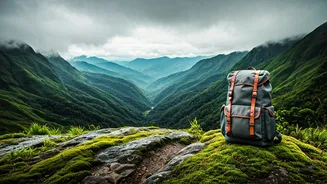
peaks like Mullayanagiri and Baba Budangiri are increasingly dotted with young travellers in their twenties and early thirties. Armed with backpacks, smartphones, and a thirst for raw experience, this new generation of visitors is redefining the region’s tourism landscape. Local homestay owners and small tour operators report a significant uptick in bookings from solo travellers and small groups of friends, particularly from cities like Bengaluru, Mumbai, and Hyderabad. They aren’t just coming for the coffee; they’re coming for the climb, the connection, and the content.
From Coffee to Conquest
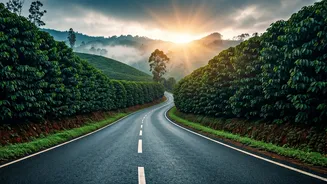
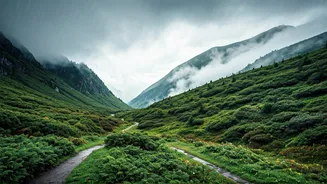
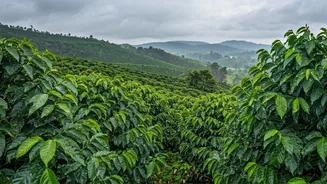
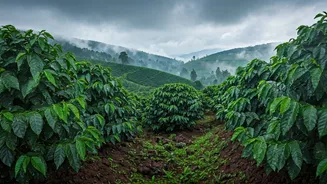
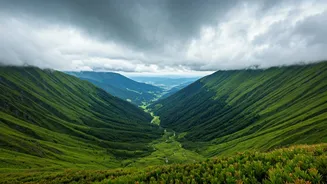
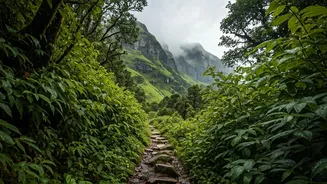
For decades, Chikmagalur’s identity was synonymous with its aromatic coffee. While that legacy remains a powerful draw, the primary motivation for many young visitors has pivoted towards adventure. The region’s challenging terrain offers some of South India's most rewarding treks. The trek to Mullayanagiri, Karnataka’s highest peak, offers panoramic views that are a powerful lure for those seeking both a physical challenge and an Instagram-worthy moment. Similarly, the lush grasslands and dense shola forests of the Kudremukh National Park provide a sense of wild, untamed nature that is a world away from curated city parks. This shift is a response to a growing desire among young Indians for travel that is experiential rather than purely observational. They don't just want to see the hills; they want to conquer them.
The Instagram Effect
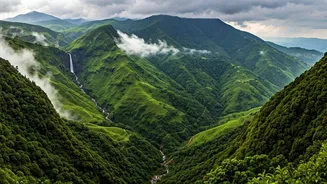
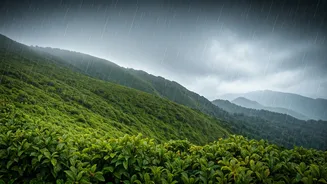
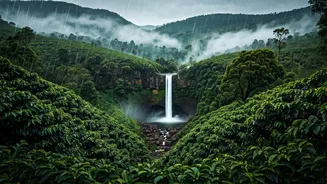
It’s impossible to discuss modern travel trends without acknowledging the role of social media. The 'surge' in Chikmagalur’s popularity among youth is heavily fuelled by platforms like Instagram and YouTube. A single, stunning reel of clouds rolling over the peaks can inspire hundreds of travel plans. The visual allure of Chikmagalur—its rolling green hills, dramatic cloud-covered valleys, and cascading waterfalls like Jhari and Hebbe—makes it perfect fodder for a curated feed. This creates a powerful, self-perpetuating cycle: travellers see breathtaking photos online, visit to capture their own, and in doing so, advertise the destination to their own network of followers. This digital word-of-mouth has proven far more effective in reaching a young audience than traditional marketing ever could.
Affordable Adventure and the Homestay Boom
Another crucial factor driving this trend is accessibility, both in terms of cost and accommodation. Unlike established luxury destinations, Chikmagalur offers a wealth of budget-friendly options that resonate with the financial realities of young professionals and students. The proliferation of homestays and backpacker-friendly guesthouses has been a game-changer. These establishments offer more than just a bed; they provide a taste of local Malnad culture and hospitality, often including home-cooked meals and insider tips on exploring the area. This preference for authentic, affordable stays over impersonal, expensive hotels aligns perfectly with the backpacker ethos. It allows for longer stays and a deeper connection with the place, transforming a weekend trip into a more immersive journey.
Navigating the Path Forward
While this influx of youthful energy is a boon for local economies, it also brings challenges. The increased footfall on sensitive ecological trails raises questions about sustainability and environmental impact. Issues like waste management, soil erosion on popular trekking routes, and the potential for overcrowding are becoming more pressing. The very authenticity that draws travellers is at risk if growth is not managed responsibly. For the new generation of backpackers flocking to Chikmagalur, the adventure comes with a responsibility to preserve the pristine beauty they came to experience. The future of the region as a top-tier backpacking destination depends on finding a delicate balance between welcoming visitors and protecting the natural environment.